
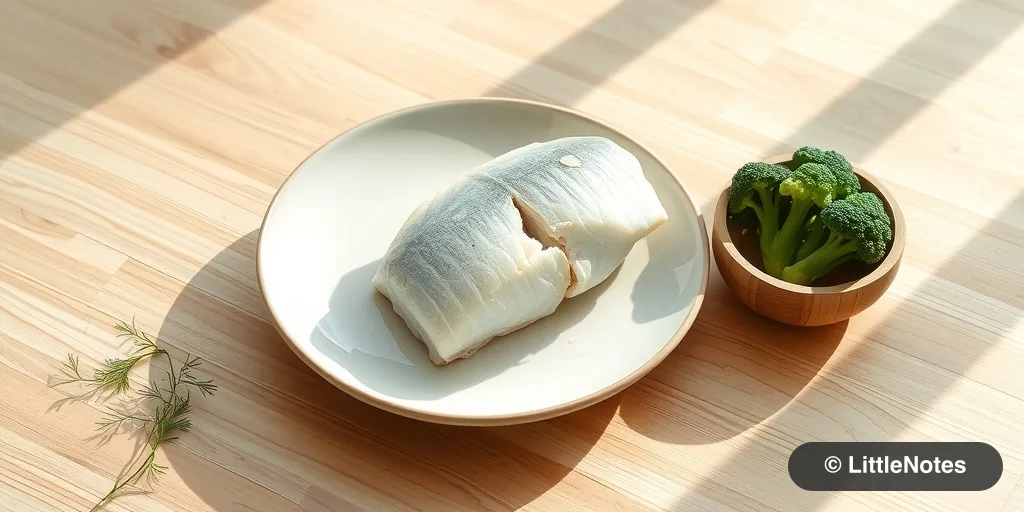
Fish is a nutritional powerhouse for growing babies, providing essential omega-3 fatty acids, protein, and vitamins. When introducing fish, safety is the priority: always ensure the fish is fully cooked, thoroughly deboned, and flaked or mashed into an age-appropriate texture.
Choosing the Right Fish: Mercury levels can vary by fish species and size. It is generally recommended to stick to low-mercury options for regular meals. Excellent choices include sardines, Indian mackerel (bangda), rawas (Indian salmon), rohu, katla, and pomfret. Aim to avoid or strictly limit high-mercury fish like large king mackerel (seer), shark, and large tuna, which are not suitable for infants.

Serving Tips:
- Start Slow: Introduce fish during the first half of the day so you can monitor for any allergic reactions over the next 24 hours.
- Preparation: For younger babies (6–9 months), mince the fish into dishes like pulao or cutlets. As they grow, you can offer small, deboned pieces.
- Frequency: For infants aged 6–12 months, 1–2 servings per week is usually plenty.
Disclaimer: Always consult your pediatrician before introducing high-allergen foods like shellfish or fish, especially if there is a family history of allergies.
As with all new foods, look for reputable resources like 'Solid Starts' to learn the safest ways to serve specific ingredients. By choosing small, low-mercury varieties, you can safely provide your baby with the many benefits that fish has to offer.





Comments