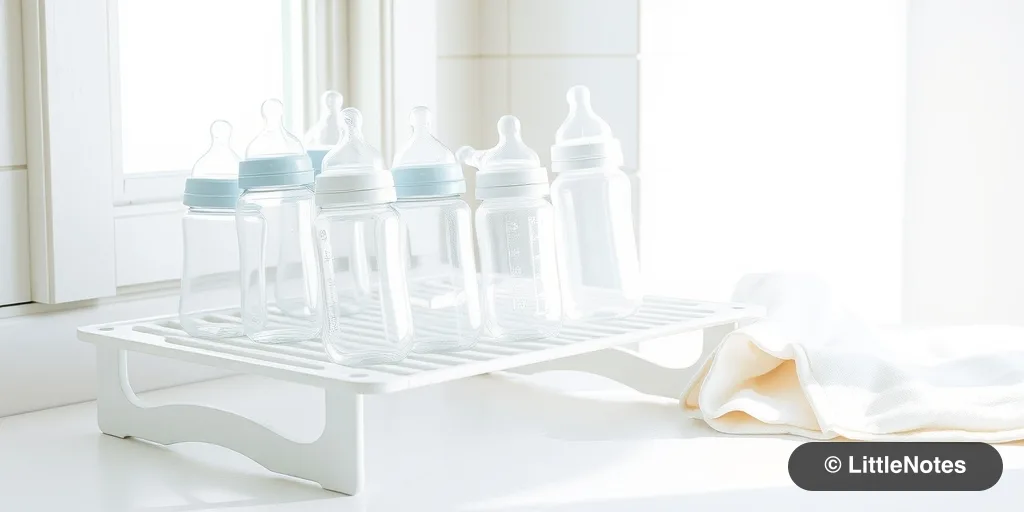
For new parents, maintaining bottle hygiene is a simple but essential part of infant care. Knowing when to retire your gear keeps your little one safe and your feedings running smoothly.
The Rule of Thumb for Bottles
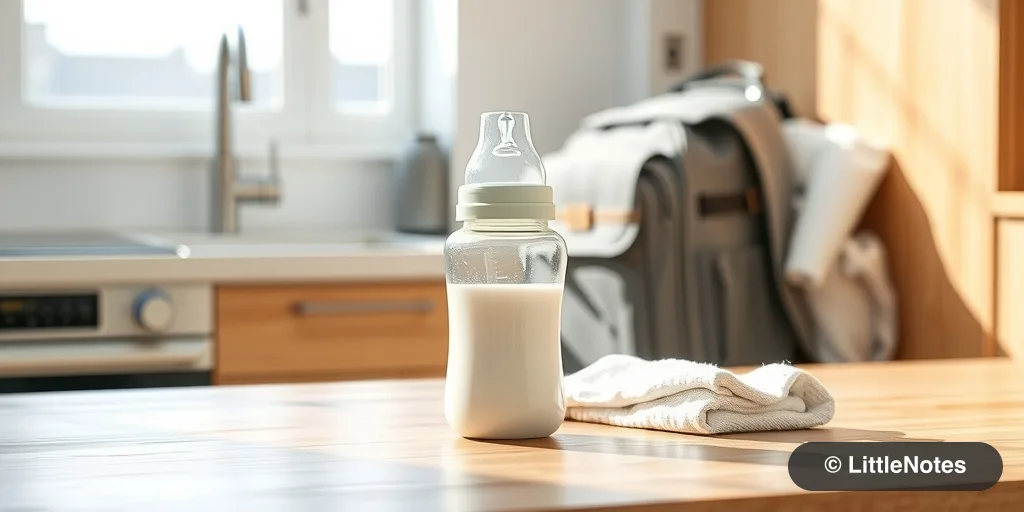
- Plastic Bottles: It is generally recommended to replace plastic bottles every 4–6 months. Keep an eye out for signs of wear, such as deep scratches, cloudiness, or any discoloration, as these can harbor bacteria that are difficult to clean. If you notice these signs earlier, swap them out sooner.
- Glass Bottles: Glass is more durable and can typically be used for a longer period, provided there are no cracks or chips.
Nipple Replacement
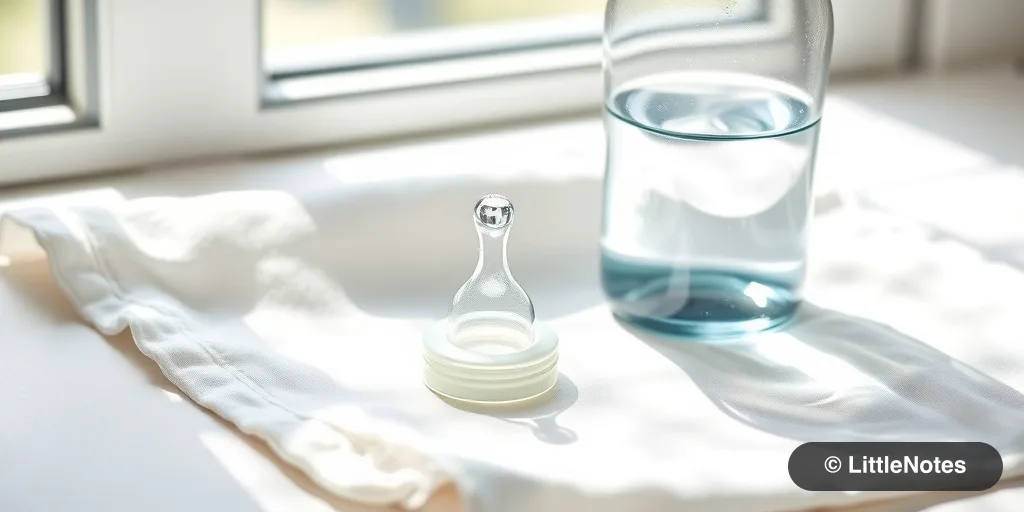
Nipples require more frequent inspection. Plan to replace them every 1–2 months, or as soon as you notice signs of damage like thinning rubber, cracks, or a change in flow rate.
Choosing the Right Flow
When it comes to choosing the size of the nipple (teat), the goal is to keep the flow as slow as possible for as long as possible. A slow-flow nipple encourages your baby to work for their milk, which mimics the natural breastfeeding experience and helps prevent them from developing a preference for a faster-flowing bottle. Keep using the slowest flow rate until your baby clearly signals that they are frustrated or ready for more.
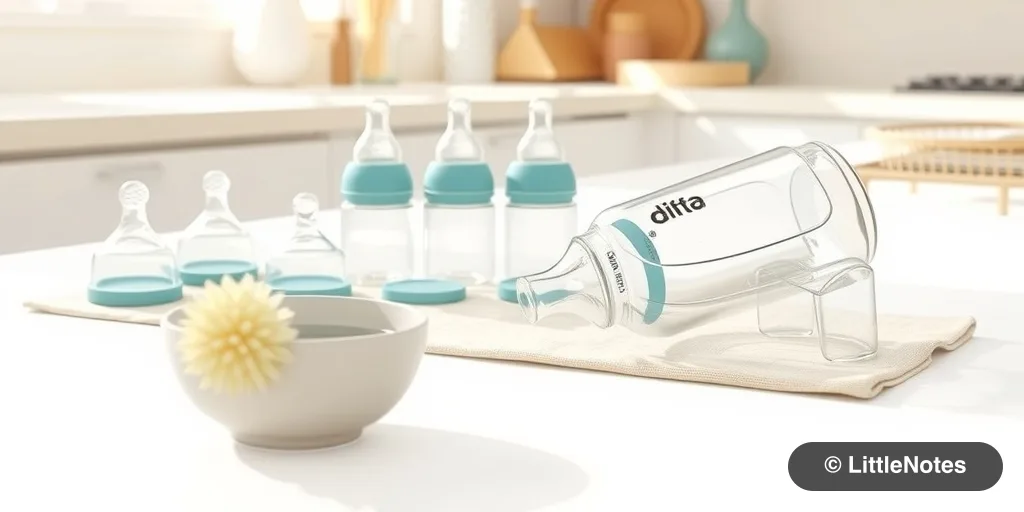
By keeping a mental calendar of these replacements, you can ensure your baby’s feeding equipment remains clean, safe, and effective.


Comments