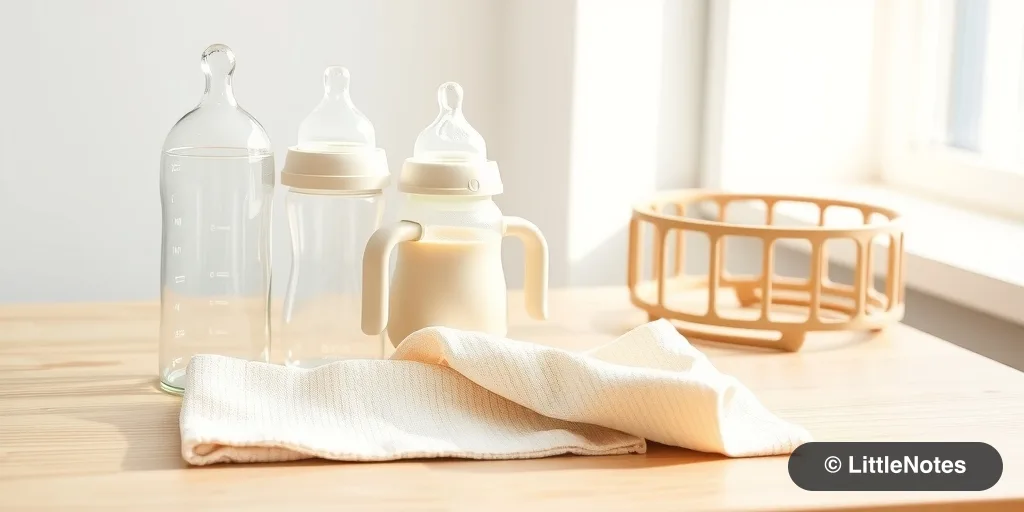
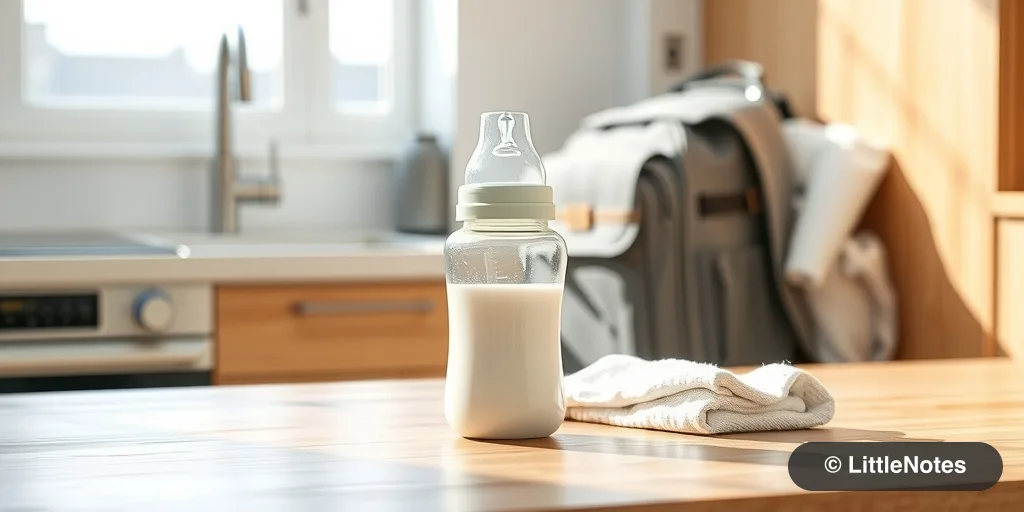
Introducing a bottle to an exclusively breastfed baby is a big milestone that offers flexibility for parents. However, it’s natural to worry about nipple confusion or breast rejection.
Selecting the Right Bottle
Every baby has a preference, and it often takes a bit of trial and error. Parents frequently recommend bottles with "slow flow" or "natural response" nipples, which mimic the effort required to nurse at the breast. This helps minimize "flow preference," where a baby starts to prefer the rapid flow of a bottle over the natural pace of breastfeeding.
Tips for a Smooth Transition
- Paced Bottle Feeding: This technique helps ensure the baby isn't gulping air or milk too quickly. You can find many instructional videos online that demonstrate how to hold the bottle horizontally, allowing the baby to control the flow.
- The Right Size: Nipple flow is categorized by age (e.g., SS for newborns, S for 1-month-olds). Always start with the smallest flow appropriate for your baby's age. If your baby seems frustrated, they may be ready for a higher flow, but never rush this. Using a nipple that is too fast can cause choking or gas.
- Latch Mimicry: Some babies prefer bottles that have a specific latch guide on the nipple. If you are struggling with a baby who won't take the bottle, consistency is key—have a partner offer the bottle while you are in another room so the baby doesn't smell your milk.
- Alternative Methods: If your baby refuses a bottle, some parents have success with open cups, spoons, or a paladai (a traditional feeding vessel), especially as they approach 6 months.
Cleaning and Maintenance
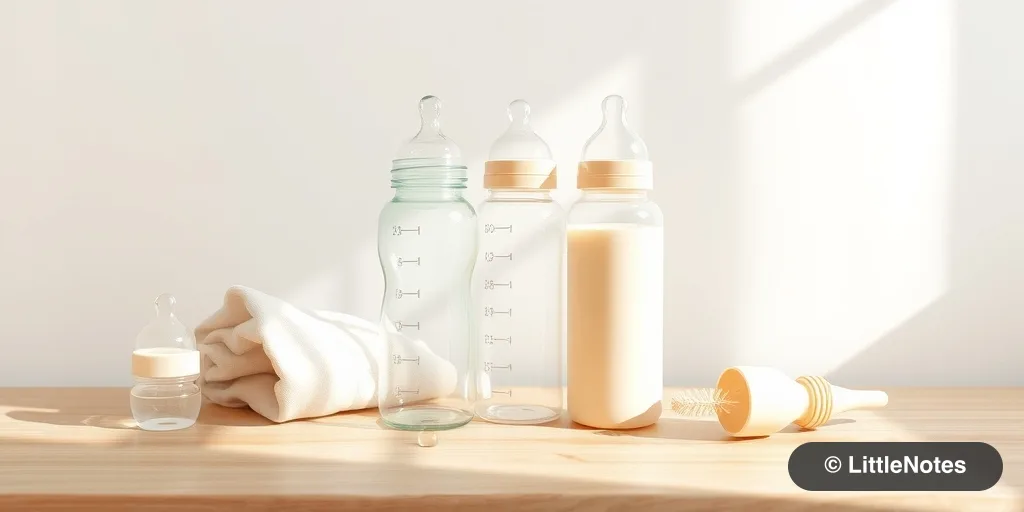
When sterilizing pump parts and bottles, follow the manufacturer’s guidelines. If using a high-tech sterilizer, you may be able to use filtered water from a purifier, provided you descale the equipment regularly with citric acid to prevent sediment buildup. Always allow parts to air dry completely before storing them to prevent mold growth.



Comments