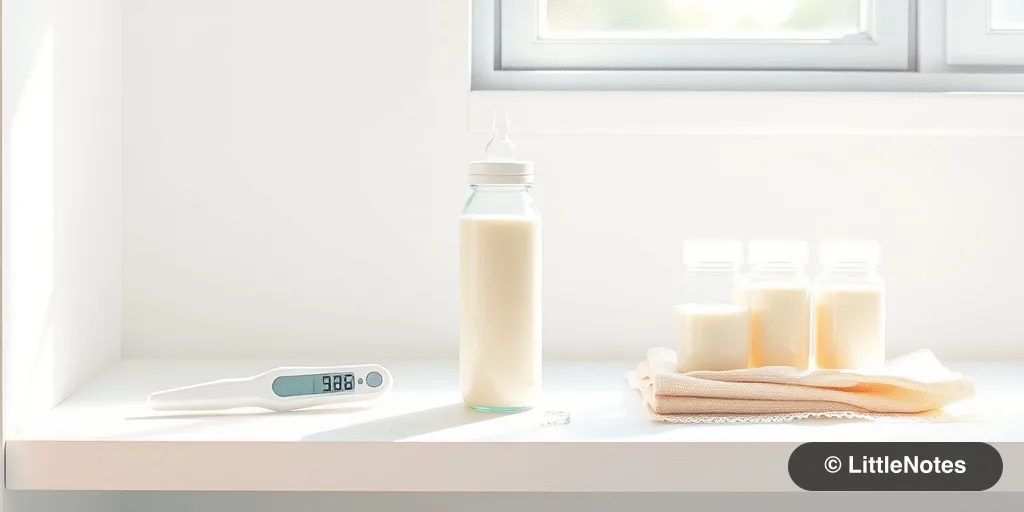
As you build your breast milk stash, managing storage efficiently is key to saving time and reducing waste. Many parents wonder about the best practices for "pooling" milk—combining milk from different pumping sessions into one container.
The Golden Rule: Temperature Matching
The most important rule in milk storage is to avoid mixing fresh, warm milk with milk that has already been chilled in the refrigerator. Doing so can cause the temperature of the stored milk to rise, which may affect its quality.
The safe way to pool:
- Cool separately: Always store your freshly pumped milk in a separate bottle or bag and place it in the refrigerator first.
- Combine only when chilled: Once the fresh milk has reached the same temperature as your refrigerated milk (usually after about an hour), you can safely combine them into your main storage jar.
Choosing Your Storage Container
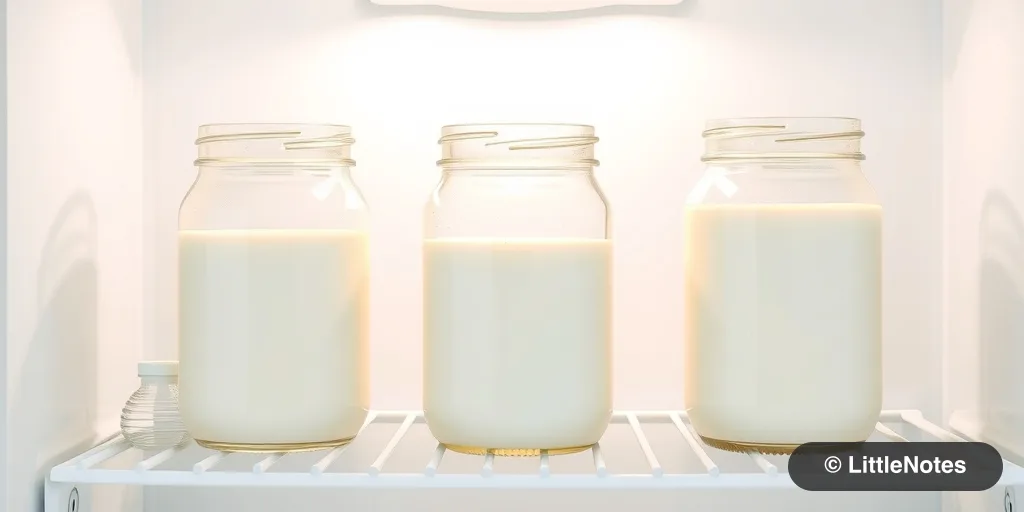
For pooling, glass jars are a fantastic, eco-friendly option. Mason jars work beautifully because they are sturdy and easy to clean. If you prefer purpose-built gear, several breast pump brands now offer dedicated milk storage jars that are designed to fit perfectly in your fridge.
Practical Tips
- Labeling: Always mark the date and time on your storage container based on the oldest milk in the batch.
- Avoid Waste: If you are planning to use the milk within 24 hours, keeping it in a larger storage jar is fine. If you want to grab and go, pumping directly into individual serving bottles can save you the step of pouring milk later, though it does mean more washing up.
Always ensure your storage containers are thoroughly sanitized, and remember that breast milk storage guidelines can vary slightly depending on your climate and local health recommendations. If you have concerns about milk storage or quality, consult a lactation consultant.




Comments