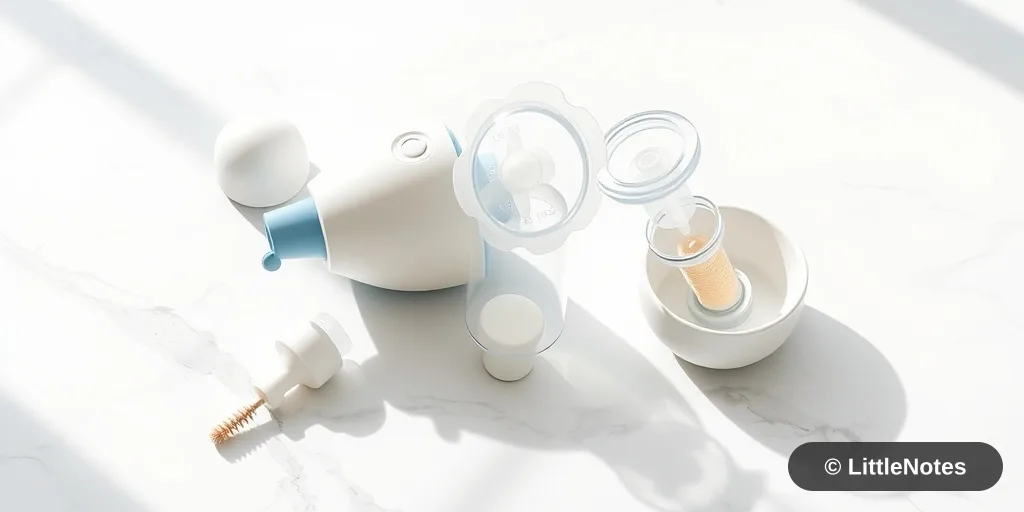
For many parents, a breast pump becomes an essential part of the daily routine. Whether you are exclusively pumping or supplementing, keeping your equipment in top shape is key to maintaining both your milk supply and hygiene.
Troubleshooting Low Output
If you notice a sudden drop in your pump output, don’t panic. First, inspect your equipment. Components like duckbill valves, membranes, and tubing can wear out over time, leading to a loss of suction. Replacing these small parts regularly—often overlooked—can make a significant difference. Additionally, ensure your flange size is still a good fit, as nipple tissue can change over the first few months. If your pump's motor is older, keep in mind that performance can diminish after 400–500 hours of use.
Routine Cleaning and Maintenance
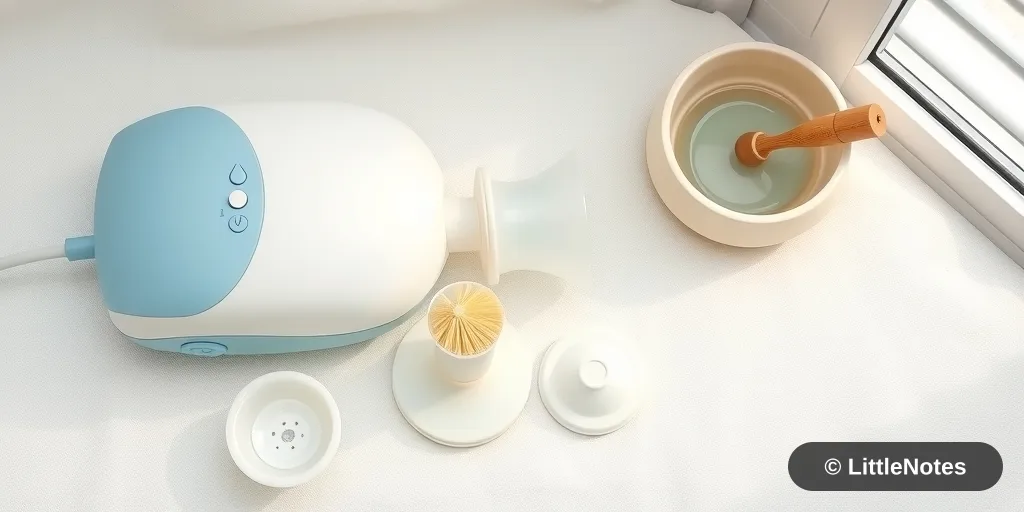
Maintaining a hygiene schedule is vital for your baby’s health. In the early weeks, many parents sterilize pump parts after every use. As the baby grows, some parents move to sterilizing once every 24 hours, washing parts with warm soapy water after each session. Always consult your pediatrician regarding specific sterilization needs for your baby’s age.
The 'Fridge Hack'
Some parents utilize the "fridge hack" to manage the mental load of constant cleaning—placing pump parts in a clean, sealed bag in the refrigerator between sessions to prevent bacterial growth. While many parents find this safe and effective, it is a personal choice based on your comfort level and your baby’s specific health needs.
Choosing the Right Pump
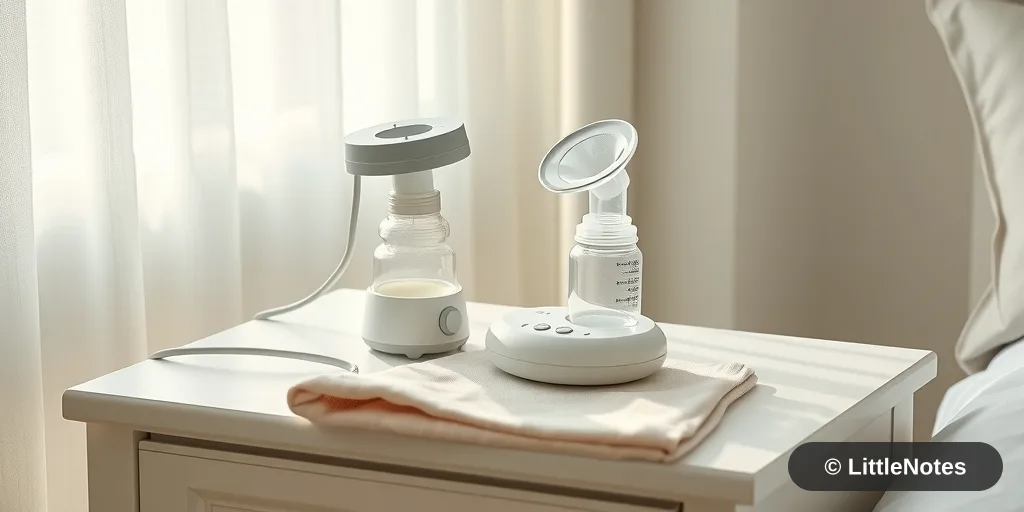
When choosing between manual, electric, and wearable pumps, consider your lifestyle. Wearable pumps offer incredible convenience for returning to work or managing household tasks, but some parents find that traditional "hospital-grade" or standard electric pumps remain more effective for maintaining peak supply. It is perfectly common to use a high-powered pump for your primary sessions at home while keeping a portable option for office or travel use.
Note: Consult a lactation consultant if you face persistent supply issues or discomfort. Always follow the manufacturer’s guidelines for cleaning specific pump components.



Comments