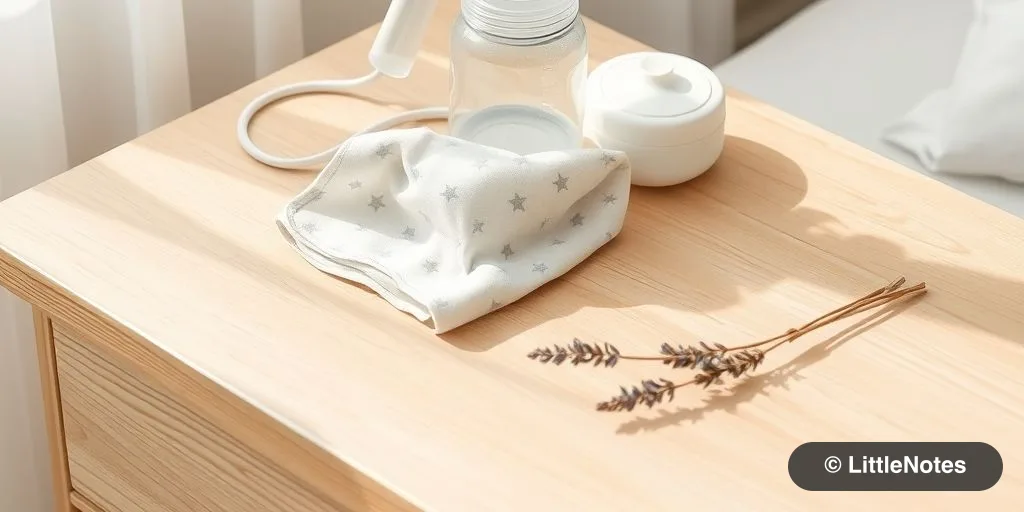
There are times when even the most organized parent might find themselves in a pinch—perhaps you’re traveling, dealing with a power outage, or simply need a lightweight, portable option for a day away from your little one. While electric pumps are the workhorses of a breastfeeding journey, a reliable manual pump can be an essential tool in your kit.
Why Consider a Manual Pump?
Manual pumps are quiet, compact, and don’t require a power source, making them perfect for emergency backups or quick pumping sessions on the go. When shopping for one, especially via quick-commerce platforms, consider these factors:
- Efficiency and Comfort: Look for a pump with an ergonomic handle that reduces hand fatigue during a session. A silicone cushion that fits snugly against your breast is also key for comfort.
- Brand Reputation: While preferences vary, many parents find success with established brands like Philips Avent, which are often cited for their durability and gentle suction mechanism. Other reputable brands, such as Pigeon, also offer accessible, reliable options for occasional use.
- Ease of Cleaning: Since you’ll be using this in potentially less-than-ideal environments, ensure the pump has minimal parts that are easy to disassemble and sterilize.
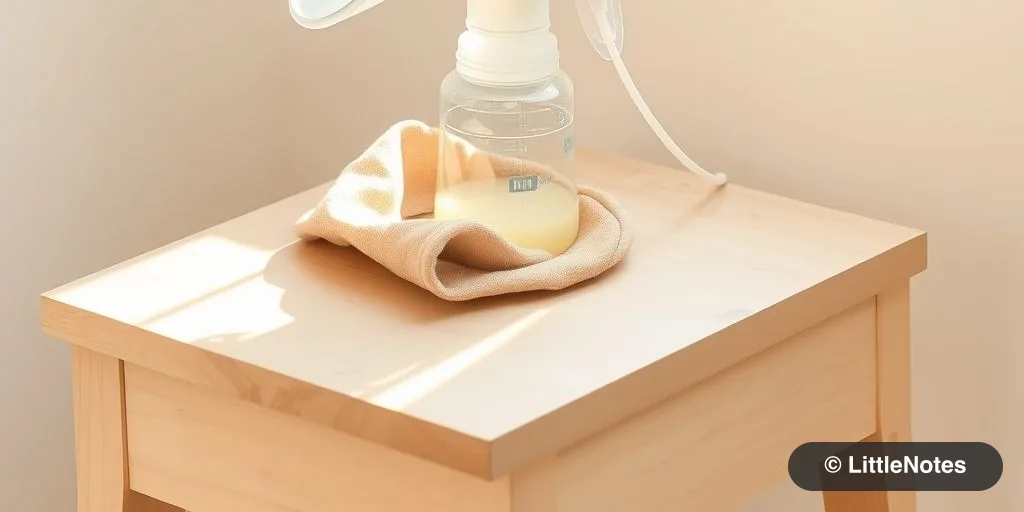
Tips for Success
If you find yourself needing to use a manual pump for the first time, don’t be discouraged if you don’t get the same output as your electric pump. Manual pumping requires a bit of technique. Try to:
- Warm the breast: A warm compress can help with let-down before you start pumping.
- Use a steady rhythm: Start with quick, shallow pumps to stimulate the let-down reflex, then transition to longer, slower squeezes to drain the milk effectively.
- Stay relaxed: Stress can inhibit the let-down reflex. Take a few deep breaths and look at a photo of your baby if you're struggling to get the flow started.
Having a backup manual pump means one less thing to worry about when life gets busy or unpredictable!





Comments