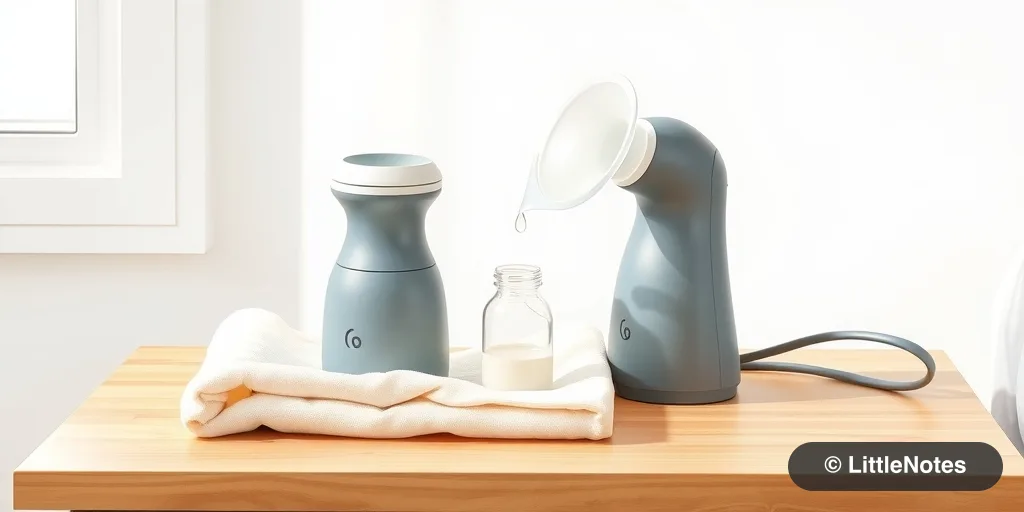
For parents managing the demands of an infant alongside a toddler or a return to work, hands-free wearable pumps offer a valuable sense of freedom. When selecting a wearable pump, look for options that balance suction strength with portability. Many parents have found success with brands like Momcozy, which offer various models that allow for movement around the house during pumping sessions.
If you are new to pumping, keep these best practices in mind:
- Check Your Fit: Using the correct flange size is essential for both comfort and efficiency. An incorrect size can lead to soreness or skin irritation. You can use a printable nipple ruler to find your correct measurement.
- Maintenance: Pump parts—specifically silicone valves and membranes—wear out over time. If you notice a drop in suction or output, replacing these small parts is often the quickest fix. Avoid using harsh brushes to clean delicate parts; gentle hand washing followed by sterilization is usually recommended.
- Start Low: Especially when your parts are brand new, start with lower suction levels. More suction does not always mean more milk; in fact, it can sometimes cause discomfort or tissue damage. Adjust based on what feels comfortable for you, aiming for a setting that mimics the gentle pull of your baby’s nursing.
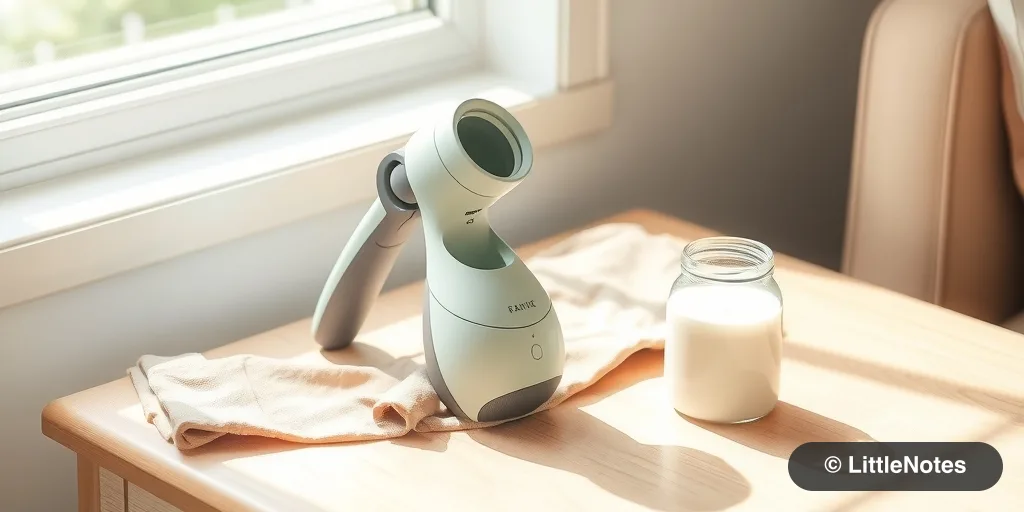
If you are struggling with a wearable pump, reach out to a lactation professional or hospital-based nurse. They can provide hands-on help with positioning and troubleshooting, ensuring your sessions are as productive and pain-free as possible.



Comments