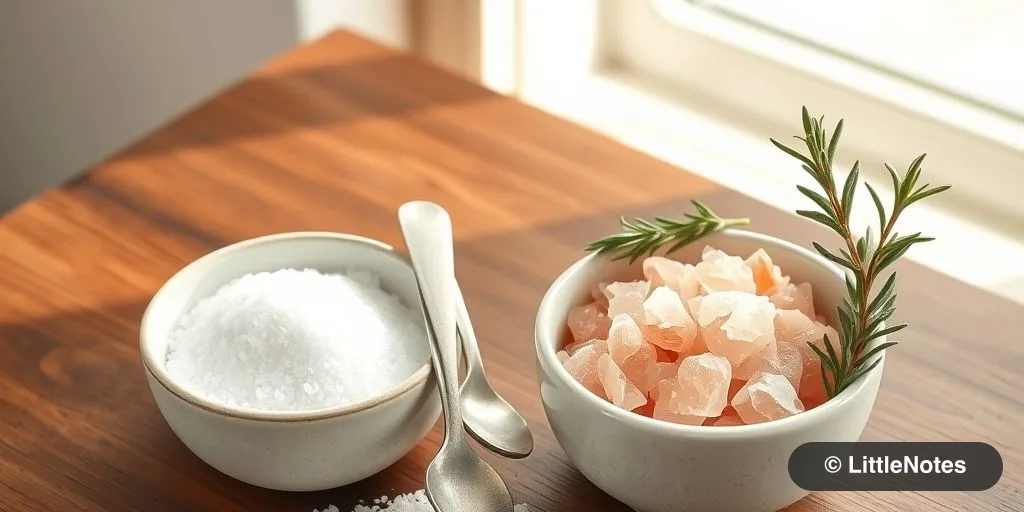
Navigating the salt aisle is a classic rite of passage for parents of toddlers. While it might seem like a simple pantry choice, the debate between using common iodized salt and trending pink rock salt (sendha namak) has become a major topic of discussion in parenting circles. Understanding the nuances of these choices can help you make an informed decision for your little one's nutrition.
The Case for Iodized Salt
From a pediatric and nutritional perspective, iodized salt is the recommended standard for daily cooking. The primary reason is iodine. Iodine is a critical micronutrient required for the synthesis of thyroid hormones, which regulate metabolism and are essential for proper brain development—especially during the rapid growth phase of the first three years of life.
In many parts of India, the soil is iodine-deficient, meaning that the produce grown in it often lacks sufficient levels of this mineral. Furthermore, common cooking practices like boiling milk can lead to a further reduction in naturally occurring iodine. Because rock salt in its natural, unrefined state does not reliably contain iodine, opting for it as your primary salt source can potentially lead to an iodine deficit. Therefore, dietitians strongly advocate for using fortified iodized salt for all staple foods like dal, sabzi, khichdi, and roti dough.
The Appeal of Rock Salt
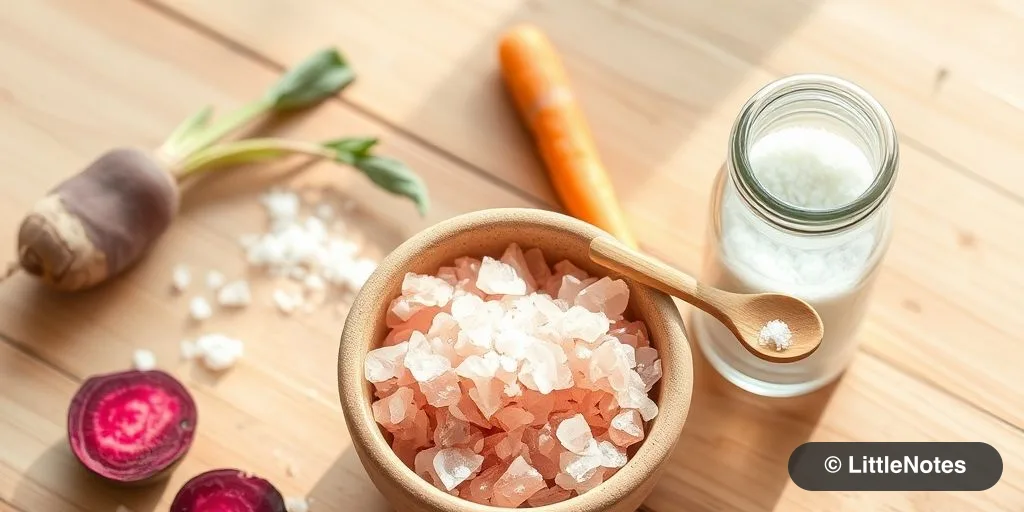
Rock salt, or sendha namak, is deeply ingrained in cultural traditions. Many parents prefer it because it is unrefined and minimally processed. Proponents often highlight that it contains trace minerals like magnesium, potassium, and calcium. While these minerals are present, the quantities found in a typical toddler’s daily serving are nutritionally insignificant when compared to the amounts obtained from a balanced diet of vegetables, fruits, and dairy.
Rock salt is also frequently associated with 'satvik' or fasting-related meals, leading many parents to view it as a 'purer' option. It is perfectly acceptable to use rock salt for occasional flavor variation—perhaps as a seasoning on a cucumber salad or a sprinkle on fruit—but it is not a direct nutritional equivalent to iodized salt for daily use.
The 'Total Sodium' Perspective
Perhaps the most important point often overlooked in the 'rock vs. iodized' debate is the total quantity of salt consumed. Toddlers have much smaller bodies and lower sodium requirements than adults. Most guidelines suggest keeping sodium intake low (generally under 2g of salt per day for young children).
Instead of stressing over the specific type of salt, focus on the total amount:
- Under 12 months: The consensus is to avoid adding salt entirely, as breastmilk or formula provides all the necessary sodium for infants.
- 12-36 months: Use a very light hand. Avoid the 'pinch in every dish' habit, as the cumulative salt from multiple meals adds up quickly.
- Watch hidden sources: Many store-bought snacks, papads, and pickles contain high levels of 'hidden' sodium. Reducing these packaged foods is a more significant step for your child's long-term health than switching between salt types.
Myths vs. Reality
- Myth: Rock salt has enough iodine naturally. Reality: Most commercial rock salt is not fortified with iodine, making it an unreliable source for this vital nutrient.
- Myth: Natural equals healthier. Reality: While unrefined salt is 'natural,' the trace minerals it offers do not provide a significant health advantage for a toddler’s growth.
- Myth: A tiny bit of salt boosts immunity. Reality: There is no pediatric evidence to support this; it is a wellness trend rather than a nutritional fact.
The Bottom Line
For your toddler, use iodized salt for all regular, daily cooking to ensure they meet their iodine needs. Reserve rock salt for occasional use for variety if you enjoy the flavor or cultural tradition. Most importantly, aim for a 'less is more' approach, ensuring that your child’s total salt intake remains low and that you prioritize whole foods over processed, high-sodium packaged alternatives. Always consult your pediatrician if you have specific concerns about your child’s nutritional intake.




Comments