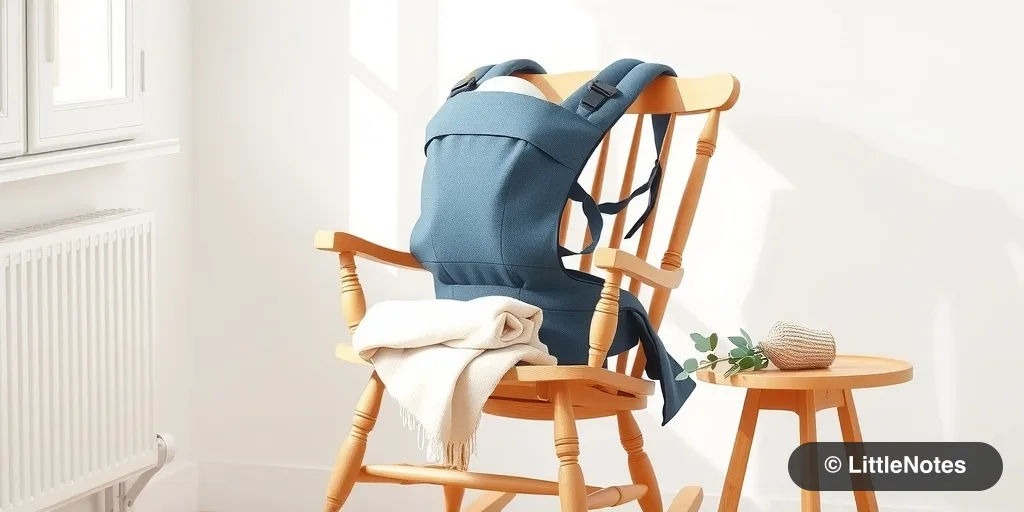
As your little one approaches the 9-month mark and beyond, you might find that your trusty newborn wrap no longer provides the support or comfort you both need. Around this age, babies become increasingly curious and often prefer a hip-carry position to take in the world, which can quickly lead to arm fatigue for parents.
When transitioning out of a wrap, look for structured carriers that are specifically designed for heavier infants and toddlers. “Hip seat” carriers (often referred to as butt-baby carriers) are a popular choice for this developmental stage. These carriers feature a firm, shelf-like seat that supports the baby’s weight, taking the pressure off your shoulders and back while keeping the baby in a comfortable, ergonomic position.
Why consider a hip seat carrier?
- Reduced Strain: By shifting the weight to your hips rather than your neck and shoulders, you can carry your baby for longer periods without discomfort.
- Ease of Use: They are often much quicker to put on than traditional wraps, making them ideal for quick errands or short walks.
- Growth Potential: Many structured carriers are adjustable, meaning they can grow with your child, often lasting well into their second year.

When choosing a carrier, prioritize ones with wide, padded waist belts and secure buckles. Always ensure that the carrier you choose supports the baby’s hips in an 'M' position (knees higher than the bottom) to promote healthy hip development. Before heading out, take a few minutes to practice adjusting the straps to ensure the weight is evenly distributed. Your back—and your arms—will thank you!


Comments