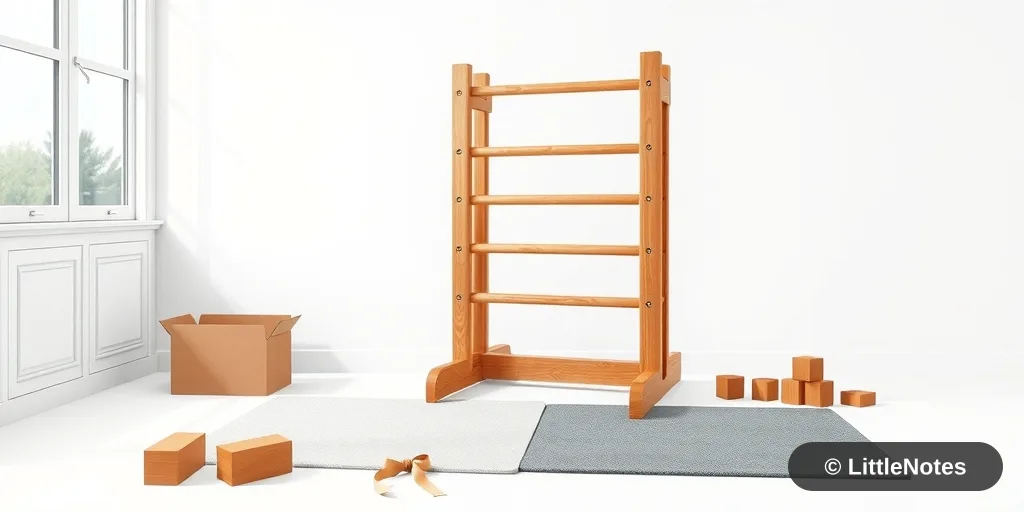
Battery-operated cars, elaborate kitchen sets, and large climbing frames are the quintessential "dream toys" for many toddlers. However, they are also notorious for taking up space and losing their novelty quickly.
The 'Rent First' Strategy
Before investing in expensive, bulky items, look into local rental services. Many cities now have toy libraries or rental startups that allow you to bring home these big-ticket items for a few weeks or months. This is an excellent way to gauge if your toddler actually enjoys the toy without committing to the purchase and storage of a large object.
Why Interests Change Quickly
It is common for a child to be obsessed with a battery-operated car for two weeks and then ignore it entirely. Furthermore, some large toys can inadvertently hinder development; for example, some children who use automatic ride-on cars may forget or struggle with the physical coordination needed for a push-and-ride cycle.
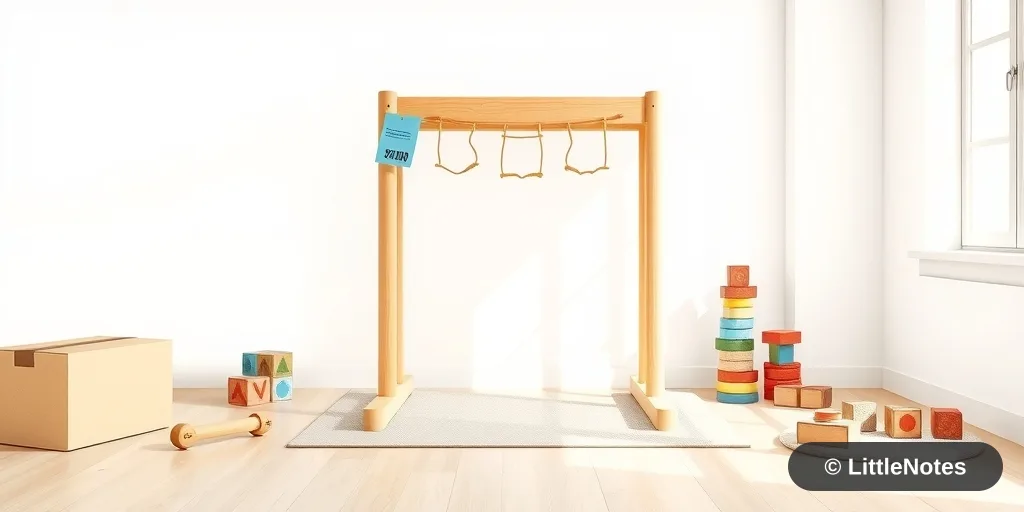
Finding the Right Fit
If you do decide to buy, keep the following in mind:
- Look for Pre-loved Markets: Many parents rehome high-quality toys in excellent condition for a fraction of the original cost. Check local parenting groups or online marketplaces.
- Prioritize Open-Ended Play: Before buying a large play kitchen or plastic set, observe what your child actually does. Many toddlers prefer real-life activities, like helping with dishes or sweeping, over expensive plastic toys. If they show a genuine, sustained interest in role-play, then investing in a durable brand (like wooden sets or reputable toy brands) becomes a worthwhile decision.
- Quality Over Quantity: A few high-quality, open-ended items like Magna-tiles or Duplos often provide more long-term value than one large, single-function gadget that your child might outgrow in a month.
Always remember: your child's interest in "grown-up" activities is a natural stage. Before buying the latest popular toy, see if they might be just as happy with a safe, simple alternative from your own kitchen cupboard.



Comments