
Navigating the world of breast pumps can feel like a full-time job. Whether you are looking for a primary pump to build your supply or a secondary option for occasional use, it helps to understand the trade-offs between different styles.
Primary vs. Secondary Pumps
- Primary Pumps: These are typically high-motor-strength pumps that allow you to express the most milk in the shortest time. While they often require you to sit in one place, the efficiency is vital for maintaining a consistent supply.
- Hands-Free (Wearable) Pumps: These are game-changers for mobility, allowing you to multitask or move around the house. However, some parents find that the motor strength isn't quite as powerful as a traditional primary pump, which might lead to a lower output for some users.
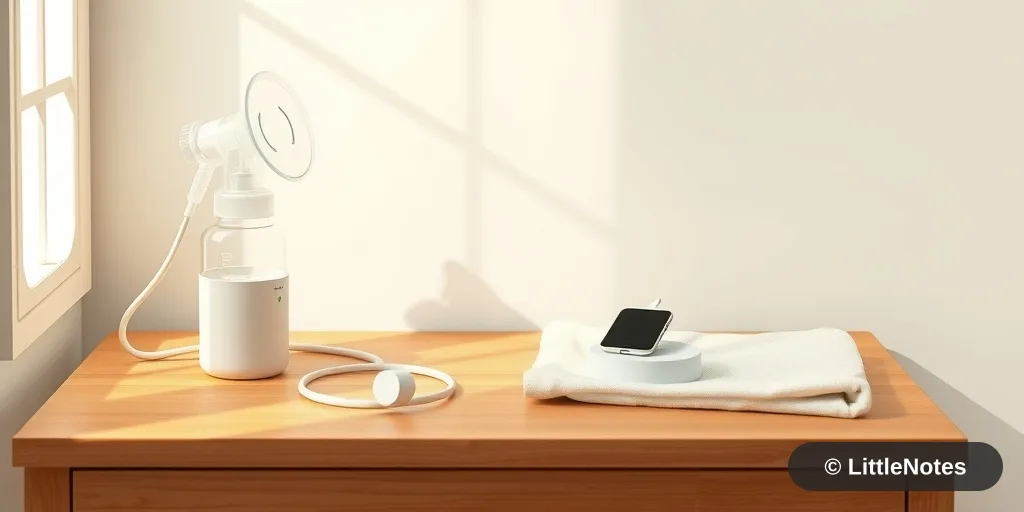
Making the Right Choice
Before purchasing a backup, consider your goal:
- If you need high output: If your main goal is to build or maintain supply, prioritize a pump with a motor known for strength. Some newer wearable pumps are being designed with motors that compete with traditional plug-in models—look for reviews that specifically mention motor quality and "expression efficiency" rather than just convenience.
- If you need convenience: If you only pump once or twice a day, a hands-free model may be perfectly sufficient.
Quick Tips for Pump Maintenance
- Check the Parts: If you notice a drop in suction, the issue is often a worn-out valve, membrane, or a leaky tube. Before replacing the whole pump, check these inexpensive parts first.
- Don't Rush the Switch: If you are trying a new pump, give yourself a few sessions to find your "groove" with the settings. Different pumps have different suction cycles, and it can take your body a little time to respond to a new rhythm.
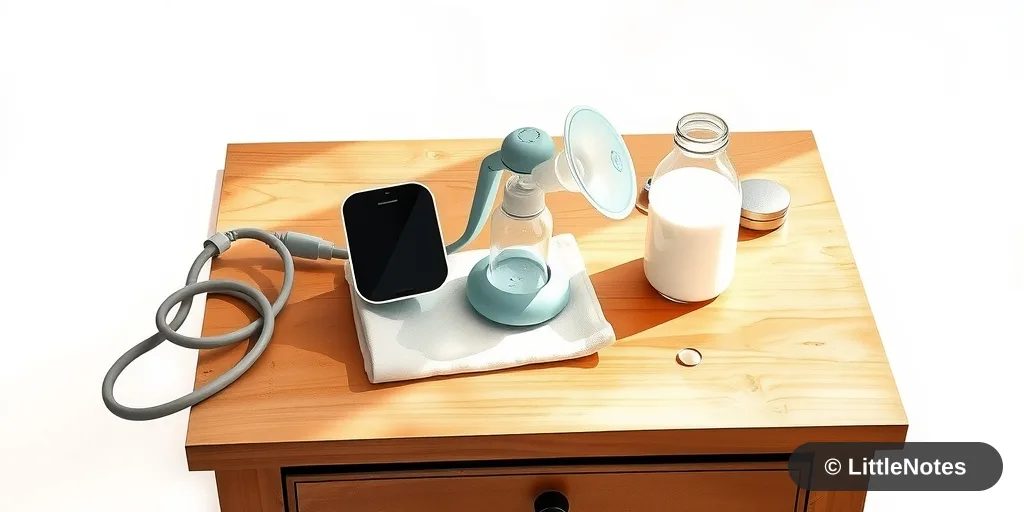
If you find that a new pump is consistently resulting in lower output, it may not be the right fit for your body. Trust your experience—if a manual pump or an older model works better for you, there is no pressure to switch to a 'trendier' device.




Comments