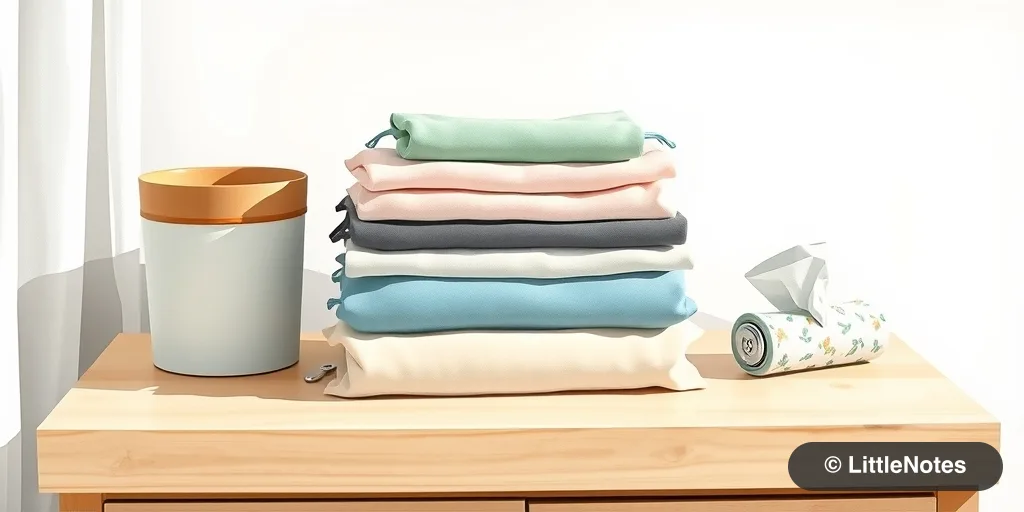
Cloth diapering has become an increasingly popular choice for parents looking for a sustainable, skin-friendly alternative to disposables. While the initial learning curve can feel steep, many families find that with the right setup, it becomes a seamless part of their daily routine.
Getting Started
Cloth diapering systems, such as pocket diapers or all-in-one styles (like the 'UNO' style), are designed to be user-friendly. The secret for many parents lies in the inserts. If you find that a diaper isn't lasting as long as you’d like, adding high-absorbency booster pads can make a significant difference in leak protection and sleep duration.

Managing Rashes and Comfort
One of the biggest advantages of cloth diapers is their breathability, which can significantly reduce the frequency of diaper rashes. Because cloth diapers contain natural fibers rather than the chemicals found in some disposables, many babies experience less irritation. If your baby is prone to rashes, cloth diapering is often a great strategy to explore.
Tips for Success:
- Booster Pads: Don't hesitate to experiment with different brands of inserts. Some are stiffer, while others are lighter and more flexible. Finding the right combination for your baby's anatomy is key to preventing leaks.
- Consistency: If you are transitioning from disposables, give your baby (and yourself) time to adjust. It may take a few tries to find a brand or fit that perfectly suits your little one’s shape.
- The 'Night' Question: Many parents successfully use cloth diapers through the night by using high-absorbency boosters. If your baby is a heavy wetter, you might change them once during a middle-of-the-night feed to keep them comfortable.
- Hybrid Approach: Remember, it doesn't have to be 'all or nothing.' Many families choose to use cloth diapers at home during the day and opt for disposables when traveling or for longer stretches at night.

If you're interested in cloth diapering, look for trial packs or talk to other parents about their experiences. It’s a wonderful way to care for your baby’s skin while being mindful of the environment and your budget.


Comments