
It is common to receive endless advice about what you should or shouldn't eat while breastfeeding. From avoiding certain lentils to cutting out specific proteins, the list of 'forbidden' foods can feel overwhelming. However, much of this advice is rooted in myths rather than science.
The Truth About Food and Colic
Many parents notice a correlation between something they ate and a fussy night for their baby, leading to the belief that the food caused the distress. In reality, colic is a complex developmental phase related to a baby’s immature digestive and nervous systems. While there are rare instances where a baby may have a specific food protein allergy (like CMPA) that requires dietary adjustments, the vast majority of 'colicky' behavior is not caused by the mother's diet.
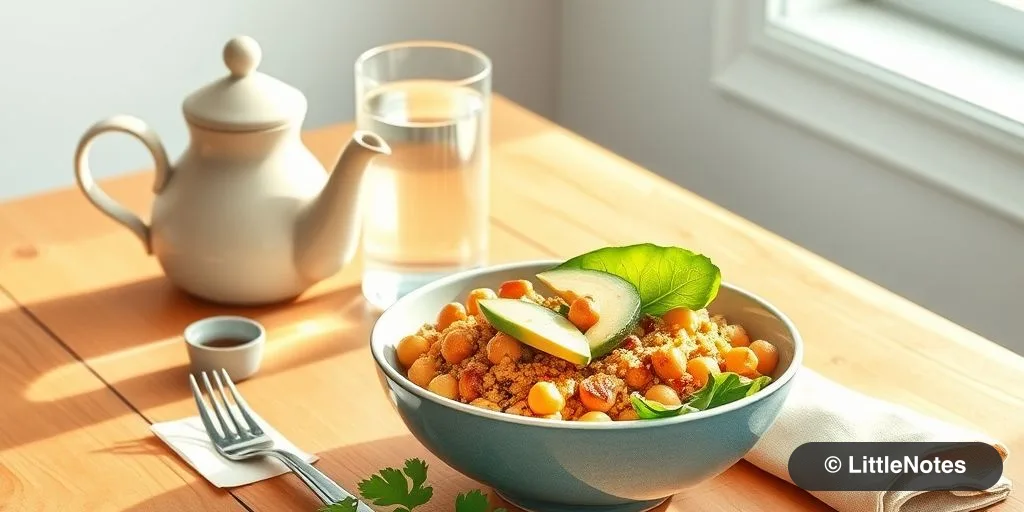
Eat with Confidence
- Moderation is key: You can generally enjoy a varied and balanced diet. If you choose to consume caffeine or alcohol, be mindful of timing and moderation. For alcohol specifically, pediatric guidelines often suggest waiting for the alcohol to metabolize from your system before nursing, but you should always discuss this with your healthcare provider if you have specific concerns.
- Listen to your own body: If you are eating foods that cause you acidity or discomfort, it’s understandable to want to reduce them, but don't feel you must restrict your entire diet for your baby's sake.
- Trust the science: There is no need to spiral or restrict your nutrition unnecessarily. A healthy, well-fed parent is in a much better position to care for a baby than one who is stressed about their next meal.
If you feel your baby is having a genuine reaction to your milk, keep a log of symptoms and discuss them with your pediatrician. They can help distinguish between normal developmental fussiness and actual digestive sensitivities.


Comments