
For many parents, the journey to introducing solids and water involves deciding how to transition away from the breast or bottle. While bottles are a common convenience, many parents are choosing to skip them entirely, opting to introduce straw or open cups as early as 5–6 months. This approach can help preserve a strong breastfeeding latch and encourages babies to develop new motor skills early on.
Why Skip the Bottle?
Many feeding specialists and parents avoid traditional bottles and spout-style sippy cups, as they can sometimes encourage an unnatural tongue posture. Instead, focusing on straw cups and small open cups allows babies to practice mature swallowing patterns and independent drinking from the start.
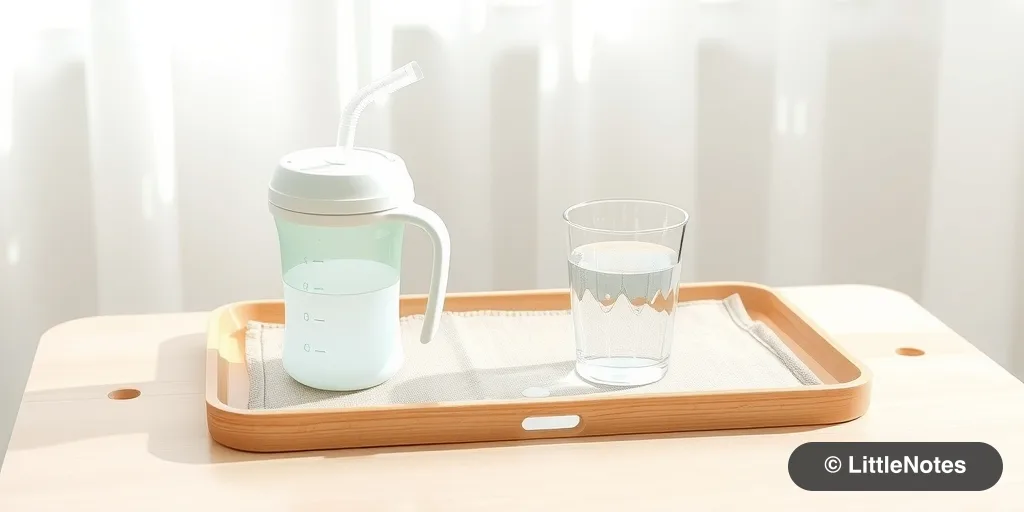
How to Get Started
- The Pipette Method: This is a popular way to teach straw use. Place a straw in the liquid, cover the top with your finger to trap the fluid, and release a small amount into the baby's mouth. This helps them understand the connection between sucking and receiving liquid.
- Squeezy Bottles: Using a soft-sided bottle (or a small, squeezable training cup) allows you to gently control the flow. By squeezing, you bring the milk up the straw, making it easier for the baby to initiate the sip.
- Low-Pressure Practice: Keep the process relaxed. It is perfectly normal for early attempts to be messy. Start with very small amounts of breastmilk, water, or whatever your pediatrician recommends for their age, and don’t feel pressured to have them master it overnight.
- Modeling: Babies are natural mimics. Drink from your own cup while you sit with them to show them how it’s done.
Tips for Success
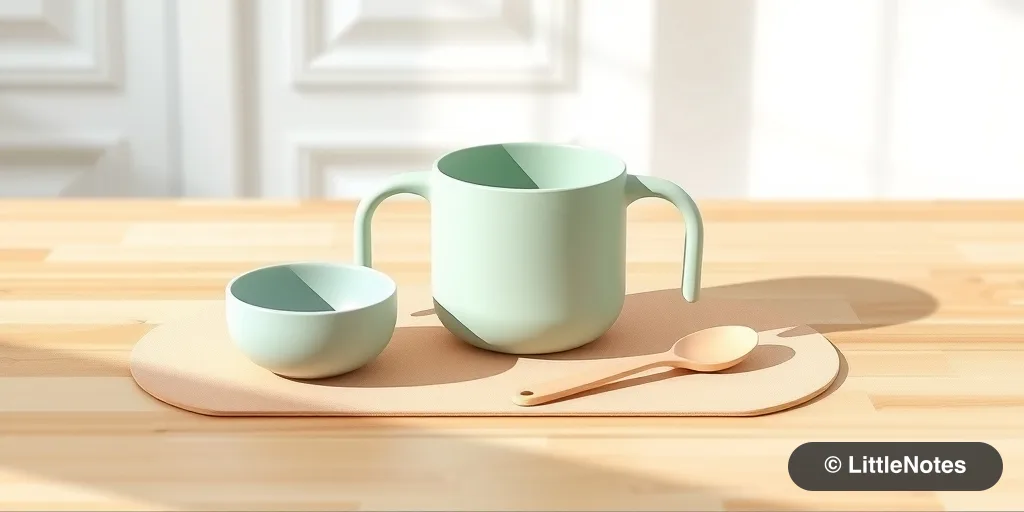
- Choose the Right Gear: Small, lightweight stainless steel or silicone cups are often easiest for little hands to hold. Look for open cups with a smaller circumference to make it easier for their tiny mouths to create a seal.
- Parental Assistance: At 5–7 months, babies are still learning coordination. Expect to hold the cup for them during the initial weeks. As they approach 9–12 months, they will gradually gain the hand strength to hold it themselves.
- Routine: If you are transitioning from bottles for bedtime, consider moving the milk feed earlier in your bedtime routine to break the "feed-to-sleep" association. Even moving the feed just five minutes earlier, followed by teeth brushing or a gentle story, can help build new healthy habits.
Note: Always consult with your pediatrician regarding the introduction of liquids and weaning strategies. Every baby develops at their own pace, so follow your child's cues and keep the experience positive.



Comments