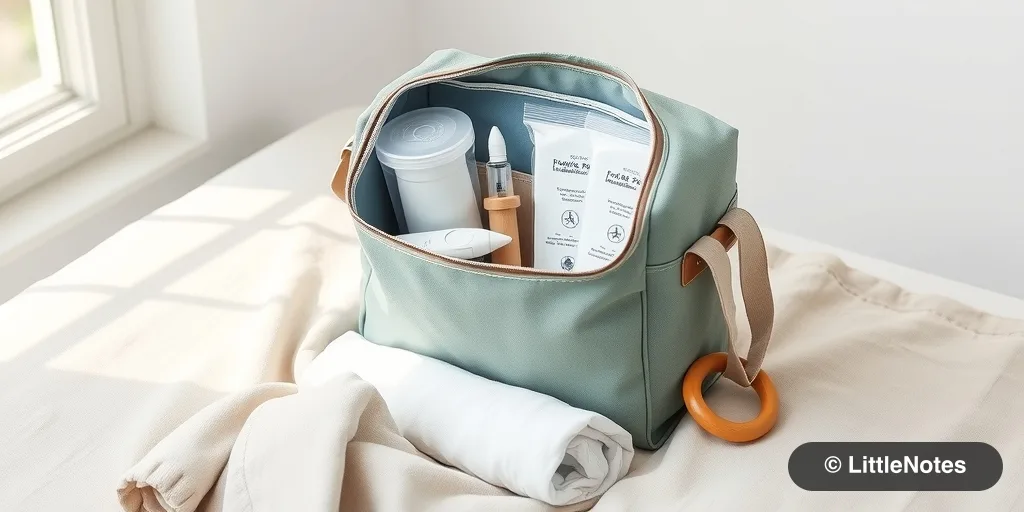
Traveling with a little one requires extra preparation, especially when it comes to health. While it's always best to consult your pediatrician for a personalized travel checklist based on your destination and your baby's medical history, here is a foundational kit to keep in your diaper bag for peace of mind.
Core Travel Kit
- Fever & Pain: Paracetamol (e.g., Dolo or Calpol drops) is essential for fever or discomfort. Always carry a measuring syringe or dropper and confirm the correct dosage with your doctor before your trip.
- Nasal Care: Saline nasal drops or spray (like Nasoclear or Nasivion) are lifesavers for congestion, which can make feeding difficult during travel. A gentle nasal aspirator (such as a Nasobuddy) is also highly recommended for clearing mucus.
- Digestive Health: Pack ORS sachets for hydration in case of loose stools or vomiting. Your doctor may also recommend specific syrups for vomiting or zinc supplements for digestive support.
- Allergy & Skin: An antihistamine (e.g., Allerid or cetirizine syrup) and a mild hydrocortisone ointment can manage allergic reactions, itching, or redness. Don't forget your regular diaper rash cream and baby-safe moisturizer.
- Insect Protection: If traveling to tropical or mosquito-prone areas, pack a baby-safe mosquito repellent and utilize mosquito nets or lightweight, full-sleeved clothing.
- General First Aid: Keep a digital thermometer, band-aids, and a mild antiseptic cream (like Mupirocin) on hand.
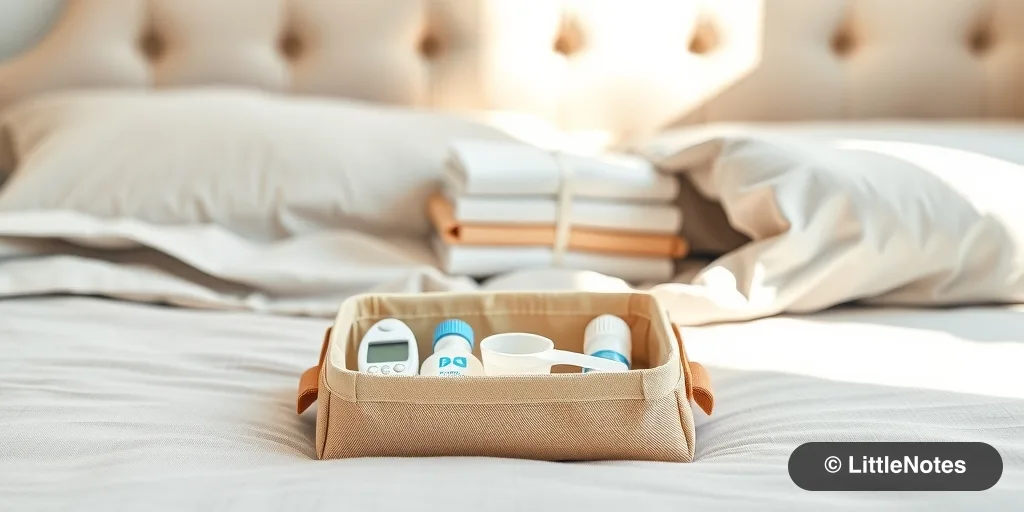
Important Reminders
- Seek medical help immediately if your baby experiences: breathing difficulties, poor feeding, persistent vomiting, decreased urine output, or excessive sleepiness.
- Flexibility is key: If possible, book cancellable travel and accommodation. Remember that for the first 3 months, any fever is considered a pediatric emergency—discuss your travel plans with your pediatrician if your baby is very young.
- Safety first: Always travel with your baby's health insurance documents and the contact information for your regular pediatrician.


Comments