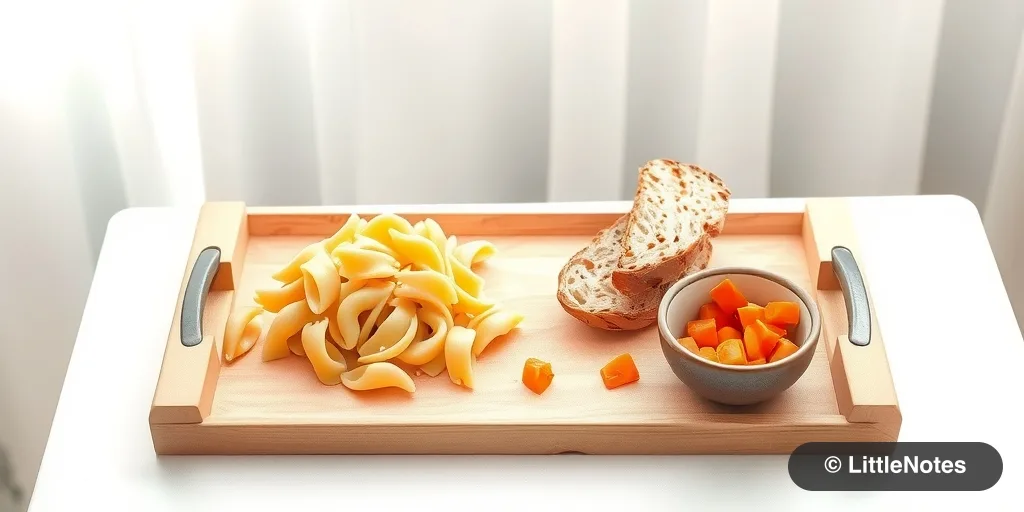
As your baby reaches the 6-to-12-month mark, you might be ready to move beyond purees and soft mashes. Introducing new textures like bread and pasta can be an exciting way to help your little one practice their chewing skills.
Bread and Pasta Tips
- Selecting Bread: Look for 'clean-label' options with minimal ingredients. Freshly baked sourdough or multigrain loaves from local bakeries are excellent choices. If you find sourdough too hard, you can toast it with a little butter and steam it for 30 seconds to soften the crust before serving.
- Pasta Shapes: Smaller pasta shapes, such as stelline (star-shaped) or miniature penne, are much easier for babies to manage than long strands or large pieces.
- Avoid the 'Gummy' Gag: Foods like soft rotis or bread can sometimes become gummy and stick to the roof of the mouth, which may cause gagging. Always supervise your baby during meals. Offering bread toasted slightly can help prevent this texture issue.
Building Variety
- Batch Cooking: You can easily batch-make vegetable-heavy pasta sauces (using pureed pumpkin, spinach, or tomato) and freeze them in portions. This makes for a quick, nutritious meal on busy days.
- Self-Feeding: If your baby shows interest, offer finger foods like vegetable-packed parathas or small, soft-cooked pasta pieces. Allowing them to hold the food themselves is a great way to build their fine motor skills and interest in eating.
What to Keep in Mind
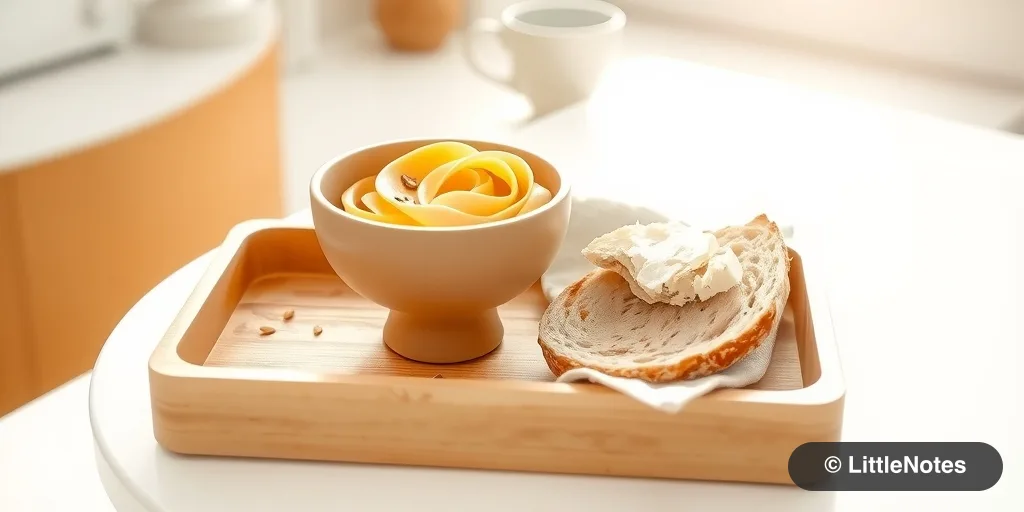
- Cheese: If offering cheese, choose pasteurized, lower-sodium varieties. Avoid heavily processed 'cheese slices' if possible.
- Tadka: You can introduce mild tadka (using a pinch of jeera or mustard seeds in ghee) as early as 6 months. It’s a wonderful way to introduce the aromatic flavors of your family’s cooking to your baby’s palate.
If you find your baby is hesitant, keep offering a variety of foods without pressure. Mealtime is a learning process, and every baby takes their own time to embrace new tastes and textures.
Consult your pediatrician before introducing major food groups, especially if you have a family history of food allergies.



Comments