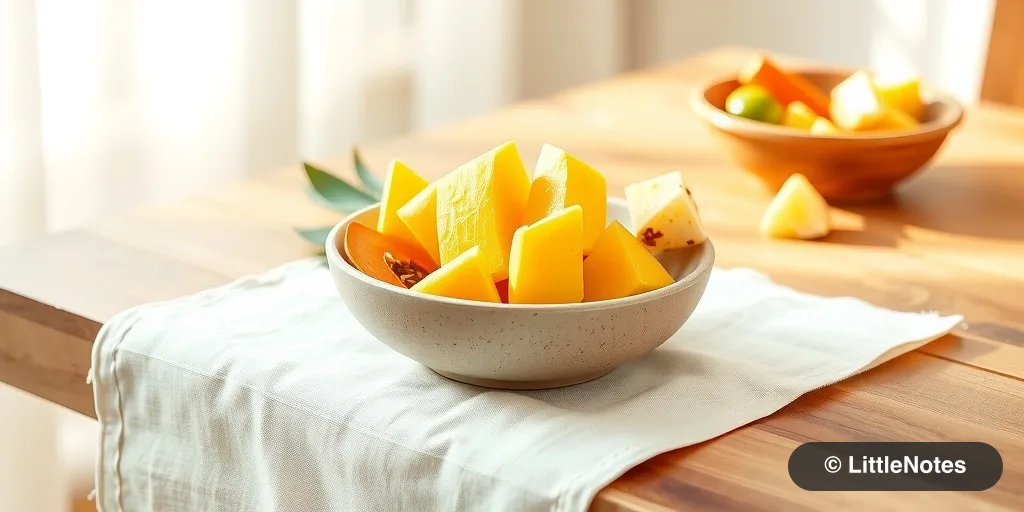
As your baby reaches the 8-month mark, the world of solid foods opens up with exciting, vibrant flavors. If you’ve been eyeing mangoes as a potential addition to your little one’s diet, you’ll be happy to know that they are generally safe and can be a wonderful, nutrient-packed choice.
The Mango Myth vs. Reality
There is a common misconception that mangoes can adversely affect a baby’s kidneys. Fortunately, there is no evidence to support this. Mangoes are a fantastic source of vitamins and natural energy for growing infants. As with any new food, start with a small amount to ensure your baby tolerates the texture and flavor well. A helpful pro-tip from experienced parents is to soak the fruit in water for about 30 minutes before cutting to help clean the skin thoroughly.
Beyond Mangoes: Expanding the Plate
Once your baby is comfortable with basic fruits and vegetables, you can start experimenting with other nutrient-dense ingredients:

- Avocados: These are a perfect healthy fat source for babies around 8 months old. They are easy to mash and gentle on the digestive system.
- Drumsticks: If you are looking to introduce the savory, nutritious profile of drumsticks, blending them into a smooth puree is the safest approach. To make it more palatable and nutritious, you can pair the drumstick puree with small amounts of garlic, coriander, onion, or tomato. Always introduce these as single ingredients first to watch for any sensitivities.
A Note on Teething
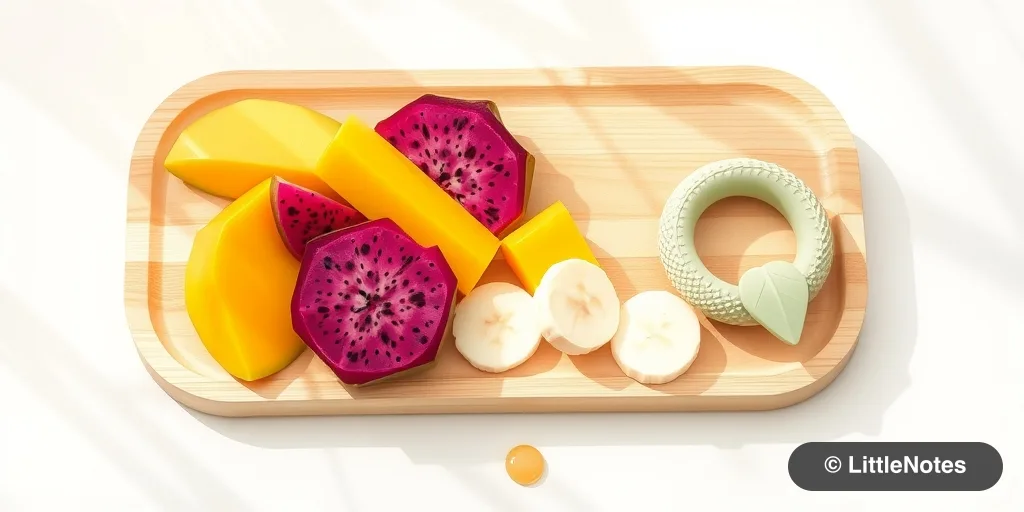
If you notice an increase in drooling or sudden spit-ups around this age—even with foods your baby has enjoyed before—don't panic. These symptoms are very often linked to teething discomfort rather than an adverse reaction to a specific fruit like bananas or dragonfruit.
Disclaimer: Every baby is unique. If you have concerns about your child’s digestive health or specific dietary history, always consult your pediatrician before making significant changes to their meal plan.




Comments