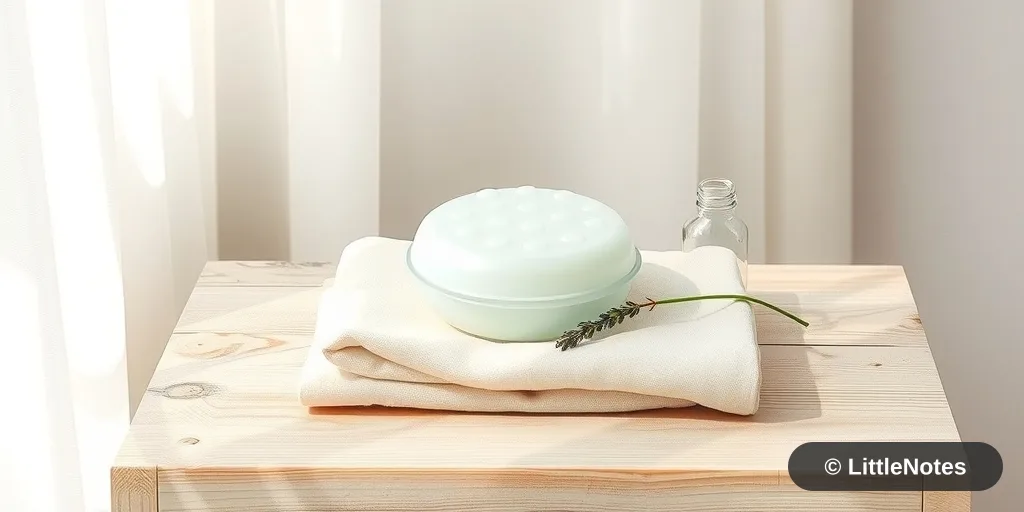
Engorgement—that uncomfortable, stinging, or hard feeling in the breasts—is a common hurdle for many breastfeeding and pumping parents. It often occurs when the breasts are not fully emptied, leading to pressure and discomfort.
How to Spot Engorgement
If you feel a stinging or tender sensation in your breast, especially when touched, you might be experiencing engorgement. Many parents report that this stinging can persist even without direct contact if the breasts have gone too long without being drained. It is a sign that your milk production has outpaced the baby’s current intake or the frequency of your pumping sessions.
Practical Tips for Relief
- Prioritize the Baby’s Latch: If possible, the most effective way to relieve engorgement is to have your baby nurse directly. Their natural suction is often more efficient at clearing ducts than a pump.
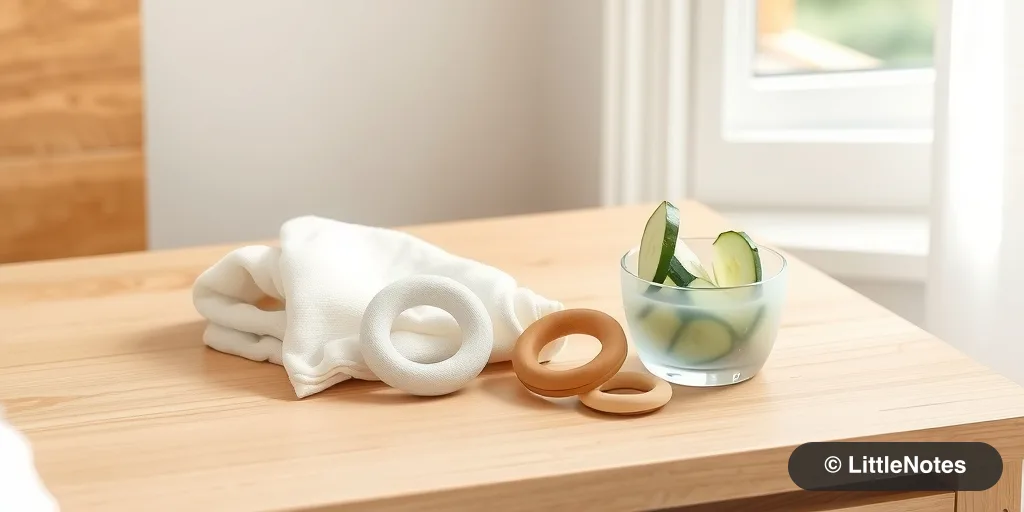
- Warmth and Massage: Before attempting to empty the breast, try a warm compress or a warm bath. This helps to loosen the milk and soothe the surrounding tissue. Gently massaging the area while feeding or pumping can also encourage better flow.
- Check Your Gear: Surprisingly, a tight or ill-fitting bra can contribute to engorgement by restricting milk flow. Ensure your nursing bras provide support without putting undue pressure on your breast tissue.
- Hand Expression: If you aren't near your baby and feel the pressure building, hand expression can be a gentle way to release enough milk to ease the discomfort until you can pump or feed again.
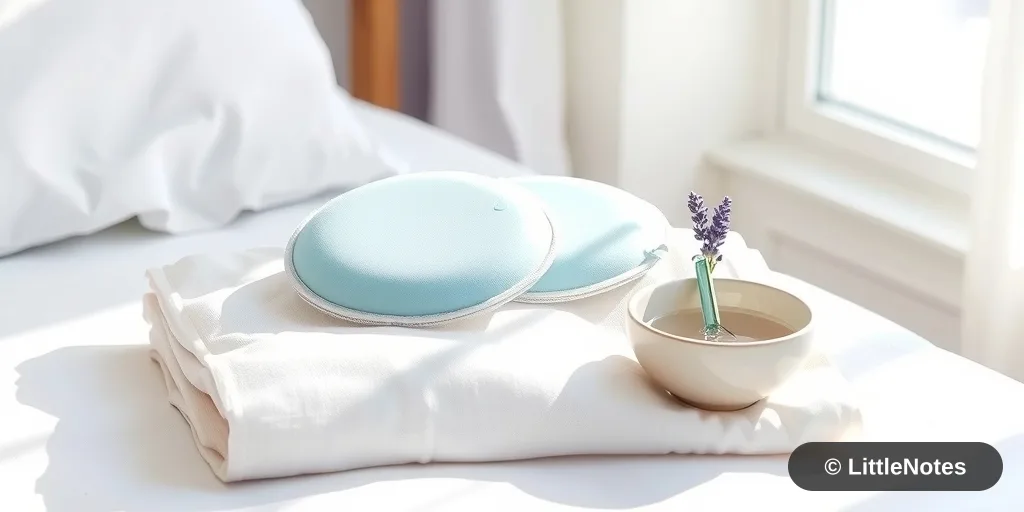
A Note on Supplements: Many parents look toward galactagogues (like Lactare capsules) to manage supply issues. While many find them safe, they should be used cautiously. Some parents report that these supplements work quickly, while others see little change. If you choose to use them, monitor your body closely; if your supply increases significantly, you may need to reduce or stop the dosage to avoid worsening engorgement. Always consult your pediatrician or a certified lactation consultant before introducing new supplements to your routine.
If the pain persists, is accompanied by a fever, or if you notice hard, red, or hot patches on the breast, consult your doctor immediately, as these can be signs of mastitis, which requires medical attention.


Comments