
One of the most common challenges for new parents is the middle-of-the-night diaper blowout or leak. It can be incredibly frustrating to have your baby wake up soaking wet, necessitating a complete change of clothes and pajamas. While many parents aim to minimize disruption during nighttime feeds, keeping your little one dry is essential for their comfort and sleep quality.
Why Do Leaks Happen?
Often, leaks occur because the diaper reaches its saturation limit, or the fit isn't quite right for the baby’s changing anatomy. As babies grow, their output increases, and their body shape changes, meaning a diaper that worked perfectly a month ago might need an adjustment today.
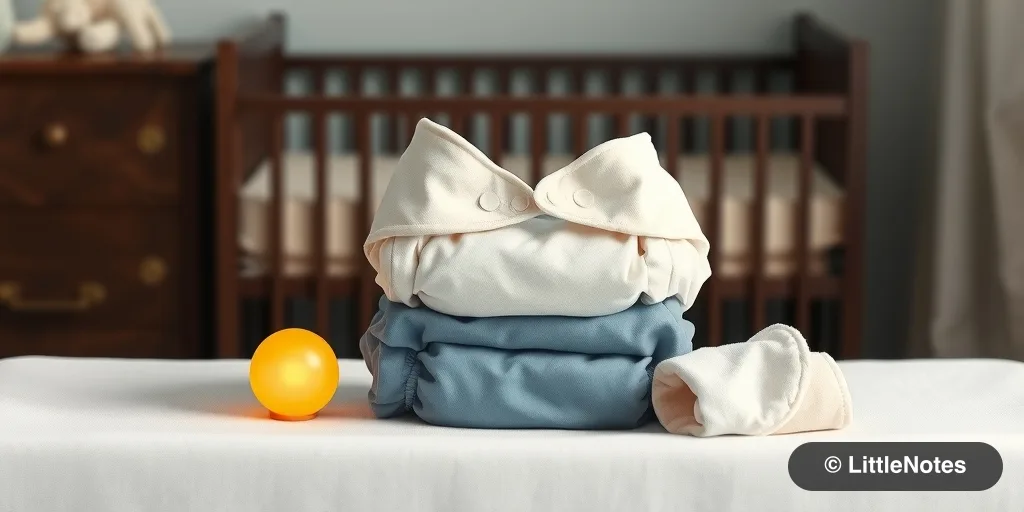
Practical Strategies to Prevent Leaks
- Size Up for the Night: A popular trick among experienced parents is to use a diaper one size larger specifically for nighttime wear. A larger diaper provides more absorbent material and often offers better coverage, which helps contain higher volumes of liquid over longer stretches.
- Choose the Right Style: Depending on your baby’s body type, the style of diaper can make a big difference. For babies with leaner thighs, tape-style diapers often provide a more secure, customizable fit than pant-style diapers. Experiment with different "all-night" or "premium" lines to see which brand holds up best for your child.
- Strategic Changes: If your baby still wakes for feeds, consider that your best window for a quick change. Using a very low-wattage, warm-toned (red-tinted) nightlight can help you see well enough to change the diaper without fully stimulating or waking your baby with bright overhead lights.
- Check the Fit: Ensure the leg cuffs are properly pulled out after putting the diaper on. If these are tucked inward, leaks are much more likely to occur.
Remember, as babies mature and the number of nighttime feedings decreases, their overnight urine output often settles, making leaks less frequent. If you are ever concerned about sudden changes in your baby's output or suspect a medical issue related to their health or hydration, always consult your pediatrician.



Comments