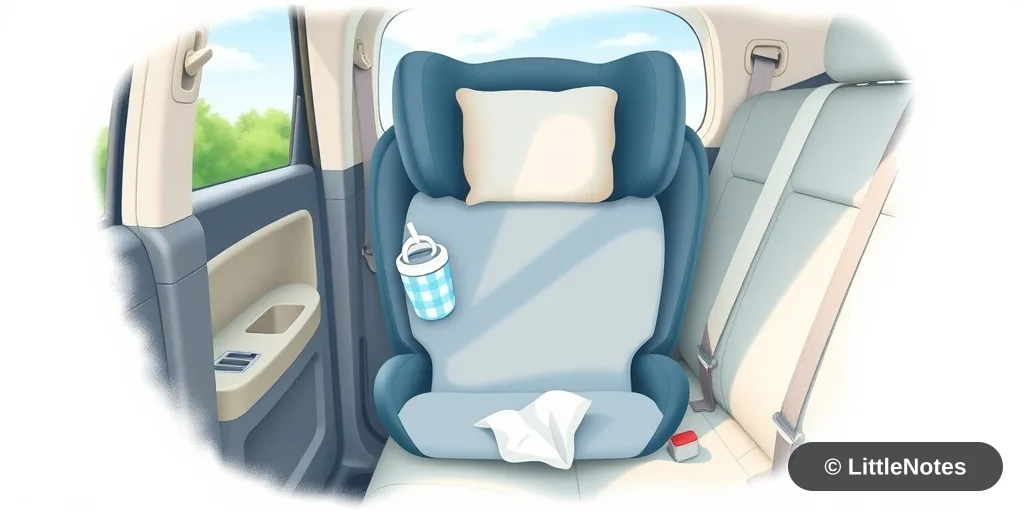
Traveling with a little one can be challenging, but for parents of children who experience motion sickness, car rides can become a source of anxiety. Motion sickness occurs when the brain receives conflicting signals from the eyes and the inner ear, a sensation that can affect even very young children.
Practical Strategies for Relief
- Prioritize Positioning: If your vehicle allows, position the child's car seat where they have a view out of the front windshield rather than just the side windows. Looking at a stationary point inside the car, like a screen or a book, often worsens nausea.
- Strategic Distraction: While some children benefit from looking out the window, others find that engaging in auditory distractions, such as music or nursery rhymes, helps calm the brain's sensory conflict. Focus on keeping their attention away from tablets or small toys.
- Meal Timing: Avoid heavy meals or milk right before a journey. Aim to have a light snack at least an hour before departure. Staying hydrated is essential, but offer small, frequent sips rather than a large volume of liquid.
- Frequent Breaks: On longer trips, plan for regular stops to get your child out of the car, let them walk or crawl, and breathe fresh air. This reset can significantly improve their tolerance for the next leg of the journey.

When to Consult Your Pediatrician
While many children outgrow motion sickness as their vestibular systems mature, it is important to speak with your pediatrician before trying any over-the-counter remedies. A doctor can provide guidance on safe, age-appropriate medications or supplements—such as specific anti-nausea syrups—and confirm the correct dosage based on your child's weight and age.
Always monitor your child for signs of distress. If nausea is accompanied by fever, lethargy, or if your child seems unusually unwell after a trip, it is best to check in with your healthcare provider to rule out other causes.






Comments