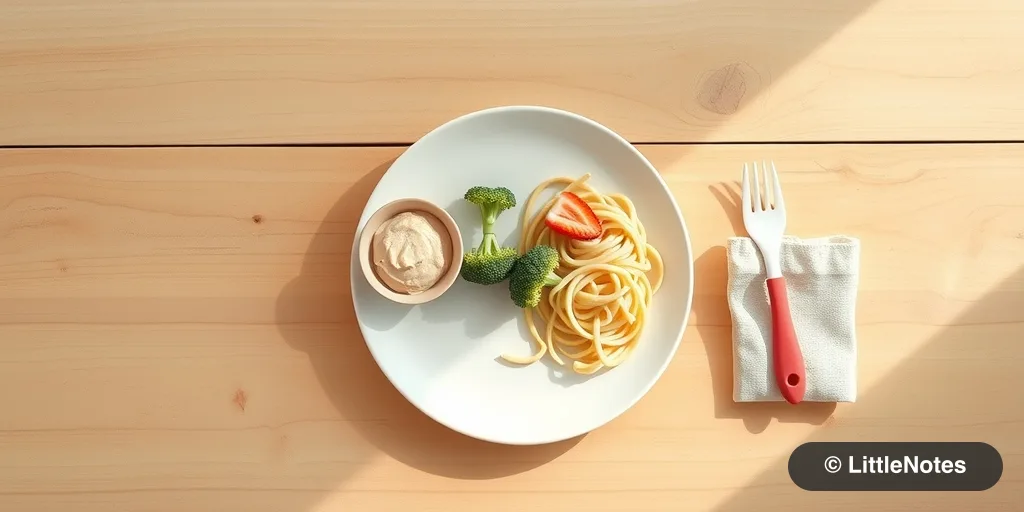
If your baby or toddler has suddenly decided that their favorite meal is now their worst enemy, take heart: you are not alone. Food refusal and 'food strikes' are common, often appearing during developmental leaps, teething, or simply when a child is asserting their independence.
Why It Happens
Often, a sudden change in appetite is linked to teething, minor illnesses like a cold, or simply growing autonomy. Toddlers, in particular, may push food away because they are distracted, over-tired, or trying to understand their own boundaries. If your baby is active and meeting their milk/hydration needs, try not to panic about a temporary drop in intake.
How to Handle the 'No'
- Don’t Force It: The more pressure you apply, the more a child may push back. Your job is to offer a variety of healthy, age-appropriate foods; your child’s job is to decide how much to eat.
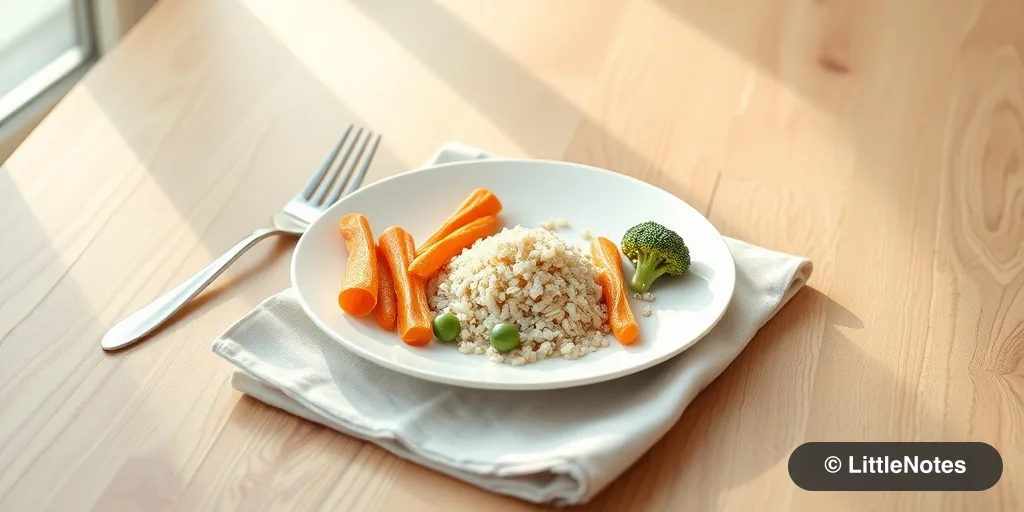
- Mix Up the Presentation: Sometimes, it’s not the food they dislike, but the format. If they reject a purée, try a finger-food version of the same ingredient. If they don't want to sit in a chair, try offering a meal at a child-sized desk or a play mat (within reason and safety).
- Playful Engagement: For younger ones, preloading a spoon and letting them feed themselves can empower them. For toddlers, inviting them to help 'prepare' the meal or allowing them to serve themselves from a family-style platter can spark interest.
- Check the Atmosphere: Ensure mealtime is stress-free. If you are feeling tense, your child will sense it. Take the pressure off by turning mealtimes into social moments rather than a monitoring exercise for every ounce consumed.
When to Consult a Professional
While occasional refusal is normal, trust your instincts. If the refusal persists for an extended period, if there is a concern about weight gain, or if you feel overwhelmed, consult your pediatrician. They can offer reassurance and ensure there are no underlying medical reasons for the appetite change.
Remember: your goal is to raise an adventurous, happy eater. A single meal—or even a single week—does not define their long-term nutrition. Keep offering, keep modeling, and stay patient.





Comments