When your little one comes down with their first cold or cough, the desire to provide immediate comfort is overwhelming. While minor congestion is common, navigating the various home remedies can be confusing for first-time parents. This guide consolidates traditional practices and gentle supportive measures to help you manage cold symptoms at home, while always emphasizing safety.
Understanding Congestion and Comfort
Babies, especially those under one year, primarily breathe through their noses. When they are congested, they may become fussy or have difficulty sleeping. Parents often find that symptoms like heaviness around the forehead and eyelids cause discomfort similar to what adults feel. Gentle, light massage around the sinus areas can sometimes help soothe this pressure, aiding sleep.
Supportive Home Environment
- Temperature Control: Keeping the room comfortable is key. A temperature of 25-26°C with the fan on a low setting (1) is often recommended to maintain air circulation without chilling the baby.
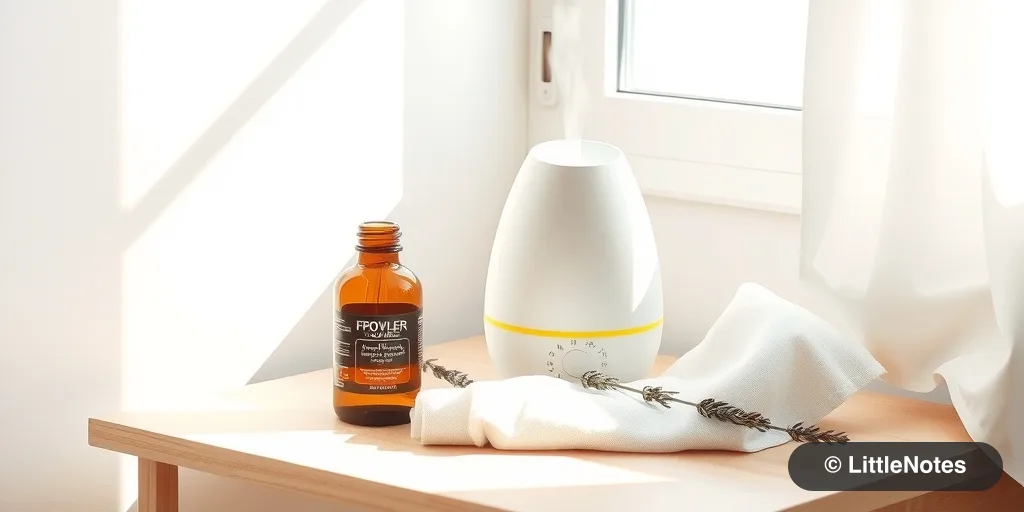
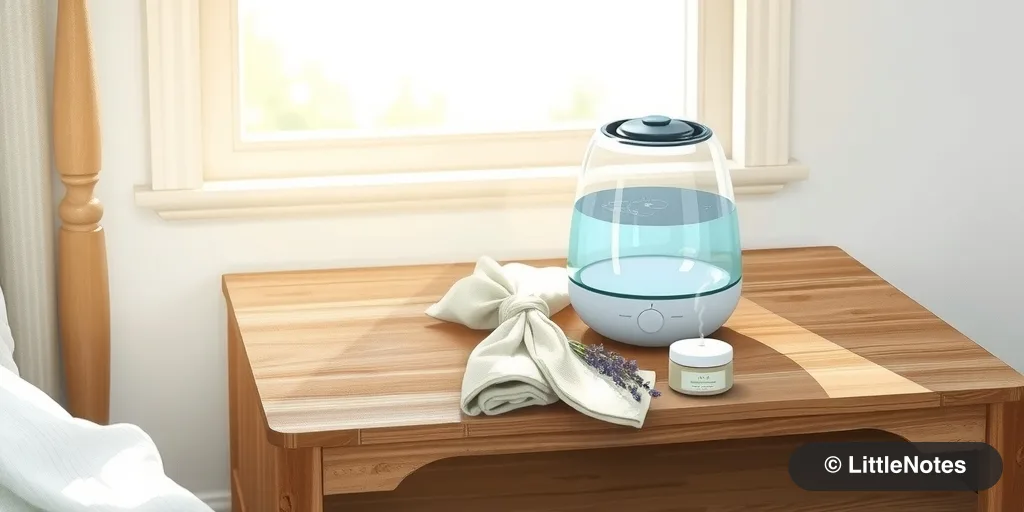
- Steam and Humidity: Steam helps loosen mucus. You can use a vaporizer in a closed room (indirect steam) or take the baby into a steamy bathroom for a few minutes. Some parents find relief by placing cotton balls dipped in Nilgiri (eucalyptus) oil in the corners of a room or dabbing a drop on the baby's clothing (avoid direct contact with skin).
- Positioning: While sleep safety guidelines dictate babies should sleep on their backs to reduce the risk of SIDS, keeping the head slightly elevated during supervised periods or nap times can sometimes ease breathing. Always consult your pediatrician regarding safe sleep positioning for your specific child.

Topical Comfort Methods
Many traditional remedies involve infused oils, which are often used for gentle chest, back, and foot massages:
- Mustard Oil Infusions: Mustard oil is commonly heated with garlic, ajwain (carom seeds), or black cumin (kala jeera). Once the oil is infused and cooled to a safe temperature, it is massaged onto the chest, back, palms, and feet. Always test the temperature on your own wrist first.
- Ajwain Potli (Poultice): Dry-roasting ajwain in a muslin cloth creates a warm compress. This can be placed near the baby (not directly on skin) to provide warmth and the soothing aroma of the seeds.
- Paan Leaf: Some cultures suggest warming a paan leaf with a tiny amount of mustard oil and placing it on the baby’s chest overnight. Ensure the leaf is not hot and is secured properly so it doesn't pose a choking or breathing obstruction.
Dietary Support (6 Months+)
For babies who have started solids, certain warm liquids may provide comfort:
- Tulsi & Herbs: Tulsi (holy basil) tea, or water boiled with tulsi, ginger, and cloves, is often used. Mulethi (liquorice) water is another traditional remedy.
- Chana Pani: Water from boiled black chickpeas, sometimes with a pinch of turmeric, is occasionally used to soothe respiratory irritation.
- Hydration: Always prioritize warm water intake to keep the baby hydrated, which helps thin the mucus.
Managing Fever
Fever is the body’s way of fighting infection. If your baby has a fever:
- Comfort Measures: Sponge the baby with room-temperature water if they are feverish. Change their clothes if they become sweaty to prevent chilling.
- Medication: If your doctor has prescribed fever-reducing medications (such as paracetamol-based products like Calpol, Fevago, Babygesic, or Crocin), ensure you follow the dosage instructions exactly based on your baby's weight and age.
Important Medical Disclaimer: This information is for educational purposes and does not replace professional medical advice. Always consult your pediatrician before trying new remedies, especially for infants under 6 months. Seek immediate medical attention if your baby has difficulty breathing, high fever, prolonged lethargy, or signs of dehydration.


Comments