
Many parents start their feeding journey using a pallada (a small, open-cup-like vessel) to offer formula or expressed milk. While this is a wonderful tool in the newborn stage, many babies eventually begin to push it away as they become more active, distracted, or simply impatient waiting for a refill. If you find your baby is struggling with this method, here are some practical strategies to navigate the transition.
Why the Refusal Happens
As babies grow, their preferences change. Sometimes, a baby may begin to associate specific feeding tools with formula and may develop a preference for the breast, or vice versa. If your baby is consistently crying or fighting the pallada, it is usually a signal that they have outgrown the method or are frustrated by the pace of the feed.
Alternative Feeding Approaches
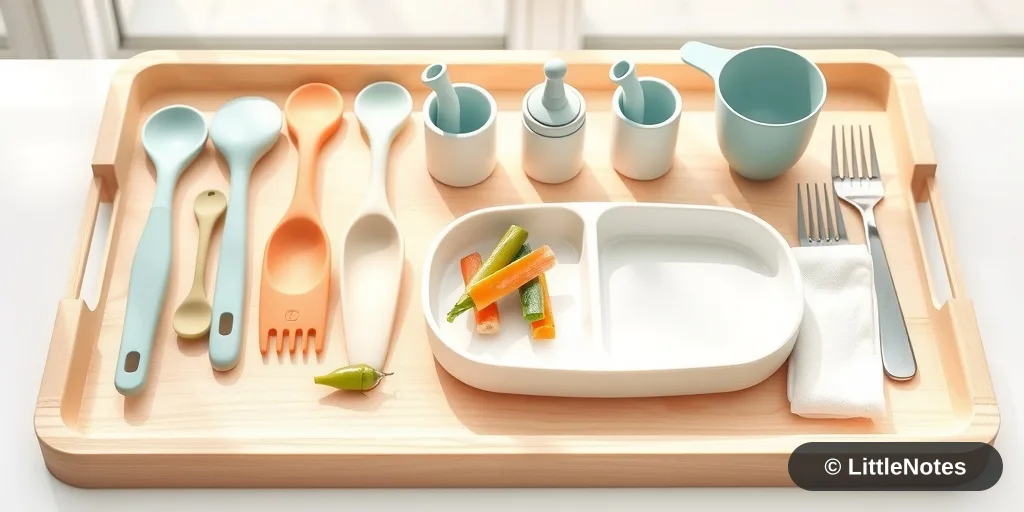
- The Spoon and Bowl Method: Some parents successfully transition to a simple stainless steel spoon and bowl. It allows for a more controlled pace and can be a familiar, comforting routine for the baby.
- Open Cup or Nifty Cup: By 4-5 months, many babies become curious about their surroundings. Sometimes, offering milk in a small, open cup or a specialized feeding cup makes the process feel like a new, engaging activity rather than a chore.
- Paced Bottle Feeding: If you decide to introduce a bottle, look for a slow-flow nipple that mimics the natural breast-feeding rhythm. "Paced feeding" is a technique that keeps the bottle horizontal, requiring the baby to draw the milk out rather than having it pour into their mouth. This helps maintain the baby's ability to regulate their intake.
Finding What Works for You
It is common to receive conflicting advice regarding feeding tools. While pediatricians often emphasize avoiding bottles to prevent "nipple confusion," many parents find that once a strong, consistent latch is established—usually by 4–6 weeks—a slow-flow bottle can be a lifesaver for both parent and baby.
Ultimately, there is no "perfect" way to feed; the best method is the one that keeps your baby well-nourished and your own stress levels manageable. If you are struggling with a specific transition, don't hesitate to reach out to a certified lactation consultant. They can provide personalized guidance to ensure your baby is getting the nutrition they need while maintaining a positive feeding experience.




Comments