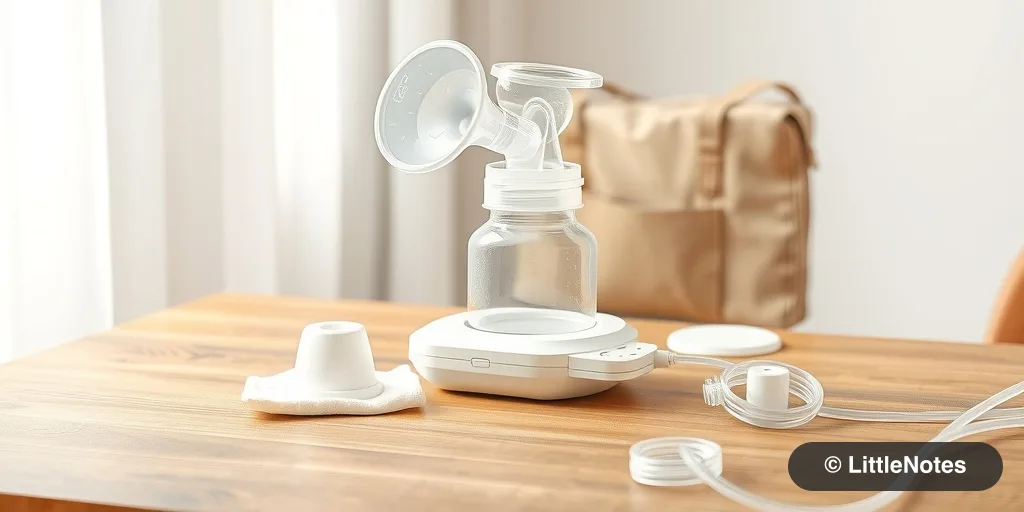
When you are preparing for your breastfeeding journey, the cost of high-quality equipment like electric breast pumps can feel overwhelming. Many parents look to the second-hand market as a way to save money, but there are a few important considerations to keep in mind before purchasing a pre-loved pump.
Closed vs. Open Systems
The most critical factor when considering a used pump is whether it is an "open" or "closed" system.
- Closed Systems: These pumps are designed with a barrier that prevents milk and moisture from entering the motor. Because the motor stays clean and protected, many parents feel comfortable purchasing these units second-hand, provided they replace all the "consumable" parts (tubing, flanges, and valves).
- Open Systems: These pumps do not have that same protective barrier. Experts strongly advise against buying these second-hand, as there is a risk of milk particles getting trapped in the motor, which can lead to mold or bacteria growth that is impossible to clean.
What to Replace
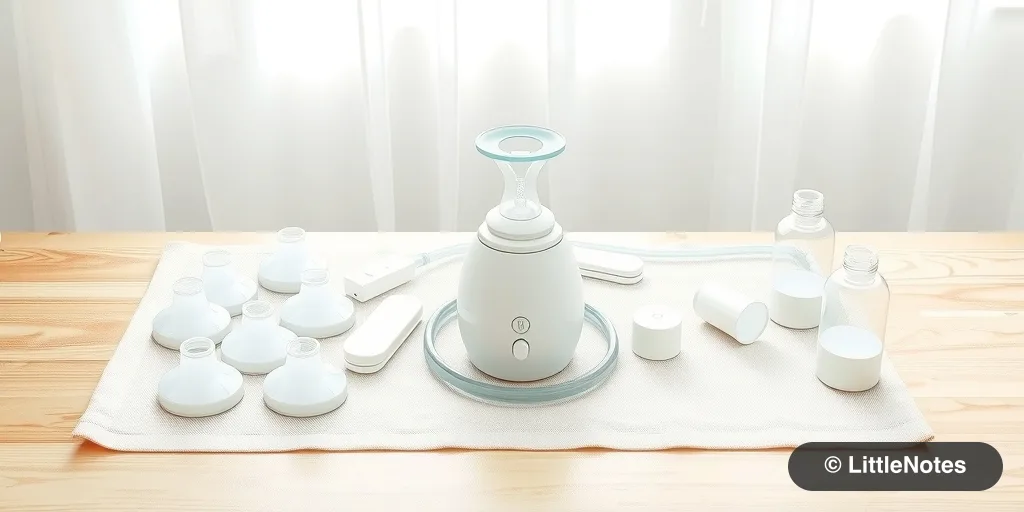
If you decide to buy a closed-system pump from a trusted source, plan to purchase a brand-new set of accessories. This includes:
- Flanges (breast shields)
- Silicone valves or membranes
- Tubing
- Milk collection bottles or bags
These parts are often inexpensive and easy to find online, and starting with fresh, sterile components ensures both hygiene and optimal suction.
Check the Motor Life
Most electric pumps have a "motor life" measured in hours. If a pump has been used for several months of exclusive pumping, it may be nearing the end of its efficient lifespan, which could lead to weaker suction over time. If you do go the second-hand route, try to get an idea of how much "mileage" the pump already has.
A Note on Insurance
Before spending money on a used device, remember to check with your insurance provider. In many regions, new parents are entitled to a brand-new, insurance-covered breast pump. A quick call to your provider or a visit to their website can often save you the stress of hunting for second-hand gear altogether.
Ultimately, the choice comes down to your personal comfort and budget. Always prioritize hygiene, and if you are ever unsure about the condition of a device, it is best to err on the side of caution and opt for a new one to ensure your milk supply remains protected.



Comments