
Coping with Cow’s Milk Protein Allergy (CMPA) can be an emotionally and physically taxing experience. If you are a breastfeeding mom navigating this, please know that you are doing an incredible job. While the journey of elimination diets and monitoring symptoms is challenging, there is hope, as most babies outgrow this allergy by the time they are toddlers.
Understanding the Elimination Diet
If your baby is diagnosed with CMPA, your pediatrician may recommend an elimination diet. This involves removing dairy and, in some cases, other common allergens (like soy, nuts, or eggs) from your diet.
- Be Patient: It can take up to 6 weeks for an elimination diet to show its full effect on the baby's symptoms.
- Cross-Contamination: Tiny traces of allergens can trigger a reaction. Be mindful of cooking surfaces, utensils, or shared pans that may have been used for dairy products. If you have a cook, clear communication about these strict requirements is essential.
- Nutritional Support: Your body prioritizes your baby’s needs, so your breast milk will remain nutrient-rich. However, you must take care of your own health. Work with your doctor to find vegan calcium and iron supplements that do not contain hidden allergens (like oyster shells or dairy derivatives).
Prioritize Your Mental Health
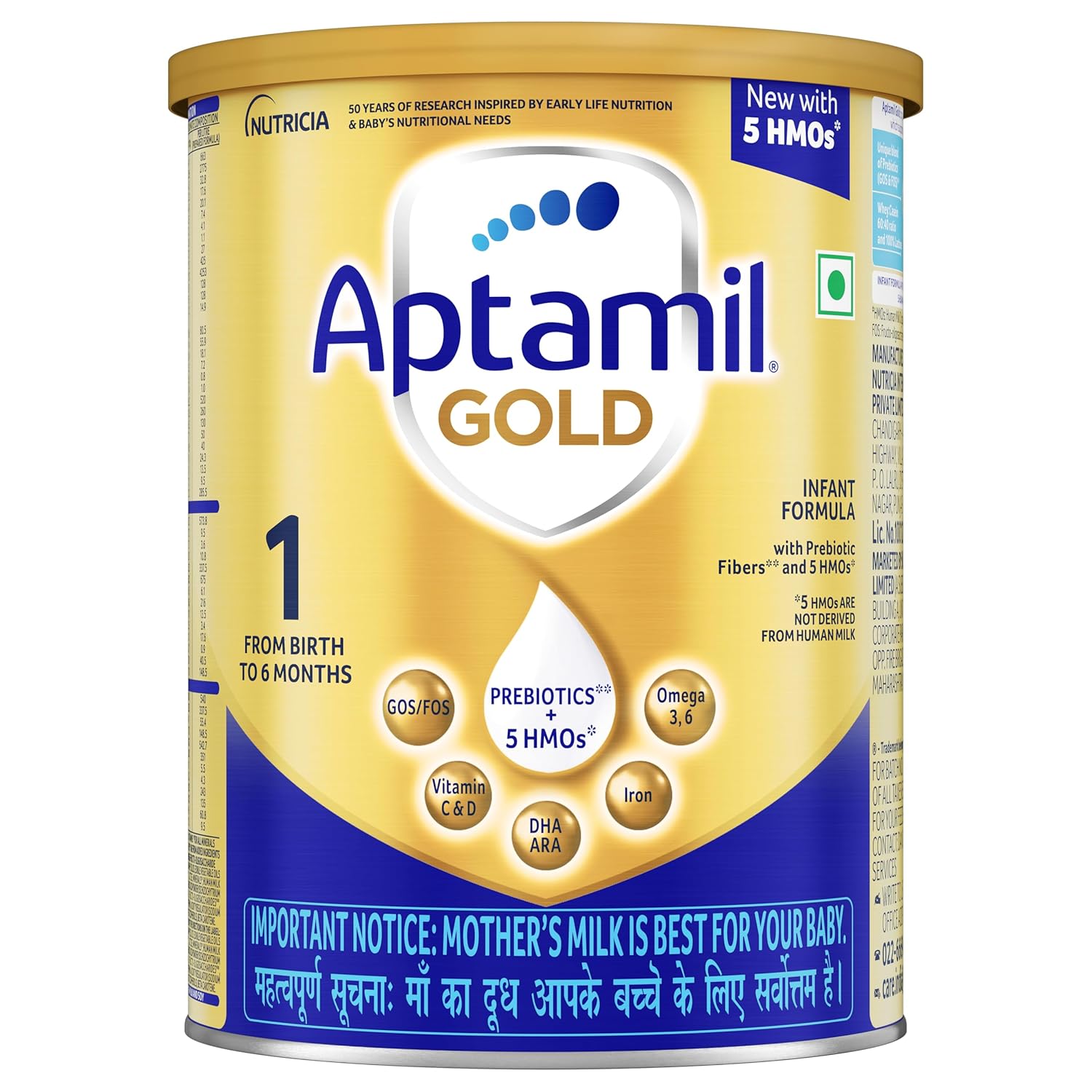
If the elimination diet is taking a toll on your mental health, have an honest conversation with your pediatrician about switching to a hypoallergenic formula. Your well-being is vital for your baby. Some moms find that temporarily switching to a hydrolyzed formula allows the baby’s gut to heal and provides much-needed relief for the mother.

Everyday Products Matter
Allergens aren't just in food. Check the labels of your baby’s body wash, lotion, and even the oils used for massage. Ingredients like milk derivatives or specific nut oils can sometimes cause skin reactions. Opt for hypoallergenic, baby-safe brands and always spot-test new products.
Important Advice:
- Avoid Medical Guesswork: Never adjust medications or stop breastfeeding based solely on online advice. Always work closely with a pediatric gastroenterologist.
- Don't Rush Solids: When you start solids, introduce new foods one by one to monitor for any reactions.
Disclaimer: This information is for educational purposes and does not replace professional medical advice. Always consult your pediatrician regarding your baby’s specific symptoms and dietary needs.




Comments