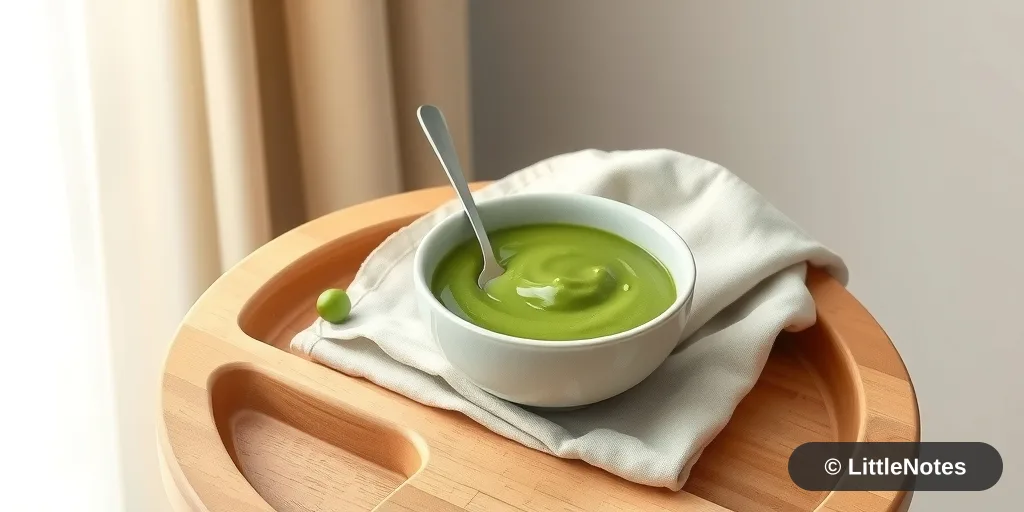
It can be incredibly nerve-wracking to notice a reaction after your baby eats a new food. Whether it's a suspicious rash or a change in stool, here is how to handle potential sensitivities.
Monitor and Document
If you notice a reaction, start a symptom diary. Note the time of exposure, the exact quantity, the method of preparation (e.g., raw vs. steamed), and the specific symptoms. Keep in mind that not all reactions are the same; they can vary based on the quantity consumed or how the food was prepared.
Know the Difference: Sensitivity vs. Allergy
- Beetroot Staining: If you see red streaks in your baby's diaper after they eat beetroot, don't panic! It is a common, harmless reaction. Always steam beetroot to make it easier to digest.
- Milk Protein vs. Lactose: If you suspect an issue with dairy (like curd), remember that curd and ghee affect the gut differently. Curd contains protein and live bacteria, while ghee is primarily fat. Your pediatrician can help you determine if an allergy to milk protein (CMPA) is the culprit, or if your baby is simply sensitive to fermentation.
- Eczema and Irritation: Sometimes, food touching the skin can cause localized bumps on existing eczema patches. This might be contact irritation rather than an internal food allergy.
Safety First
Always introduce new, potential allergen foods during the first half of the day. This ensures that if your baby does have a significant reaction, you are awake and able to contact your pediatrician or visit a clinic during office hours.
When to Seek Help
If you suspect a true food allergy, do not conduct "experiments" on your own. Consult your pediatrician before reintroducing a food that previously caused a reaction. They may recommend specific tests or provide a plan for cautious re-exposure.
Disclaimer: This information is for educational purposes only. Always consult your pediatrician regarding your child's health and potential allergic reactions.


Comments