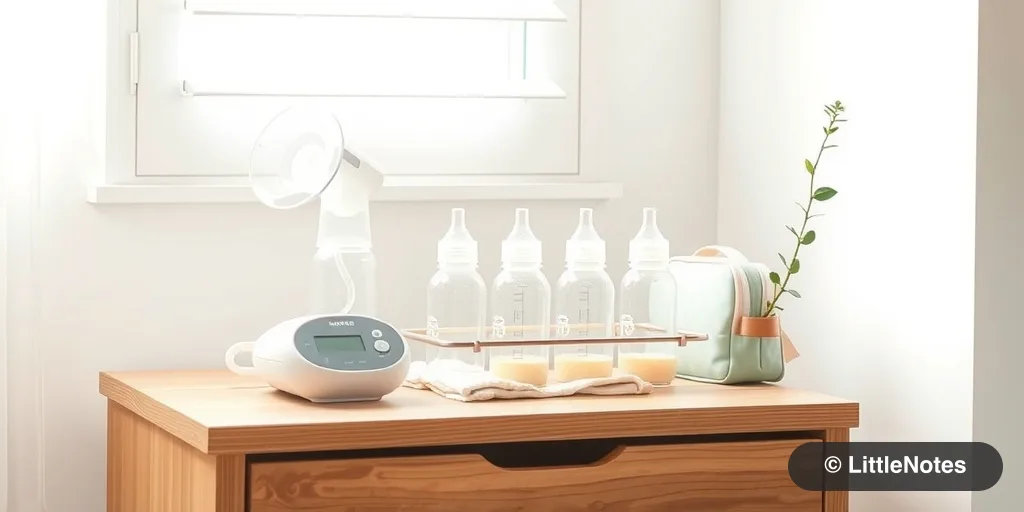
Pumping and bottle feeding require a logistical dance that can be exhausting. Here are some strategies gathered from the collective experience of parents to help streamline your routine.
Pumping Comfort and Efficiency
- Nipple Care: If you experience soreness, some parents find that applying a few drops of expressed breast milk to the nipple after a session is a simple, effective remedy. Avoid harsh soaps, and if you use creams, ensure they are safe for the baby to ingest.
- Hands-Free Pumping: For those needing to move around, wearable pumps are popular. Remember that efficient expression often relies on a mix of settings—many find that starting on a "massage" mode to trigger letdown, followed by an "expression" mode, works best.
- Troubleshooting: If you find your milk expression is low, some parents swear by hand-expressing for a few minutes immediately after pumping to ensure the breast is fully drained.
Managing Bottles and Storage
- Warming Safely: Avoid warming milk directly in plastic bags or pouches. Pouring it into a steel or glass bowl to warm ensures even heat distribution and avoids the risk of hot spots.
- Reducing Foam: If you notice your formula or milk is foamy, try gently swirling the bottle instead of shaking it vigorously. This can help reduce gas-inducing air bubbles.
- Prep Ahead: You can prepare formula for the day in a pitcher and keep it in the refrigerator, provided it is used within 24 hours. Always check the manufacturer's guidelines for your specific brand.
Choosing the Right Bottle
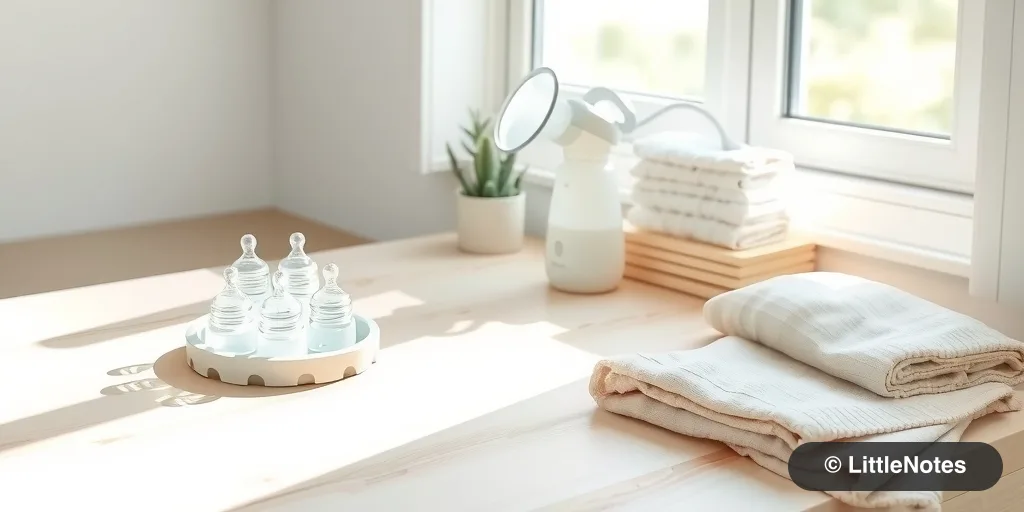
Not every bottle works for every baby. If your little one rejects one type, don't be discouraged; it often comes down to the shape of the nipple. Look for orthodontic-shaped nipples if you are concerned about oral development, and if your baby is under 12 months, continue to prioritize bottles over sippy cups to support natural development.
A quick note: Always consult your pediatrician if you have specific concerns about your baby's weight gain, digestion, or allergy symptoms, such as persistent rashes or changes in stool.



Comments