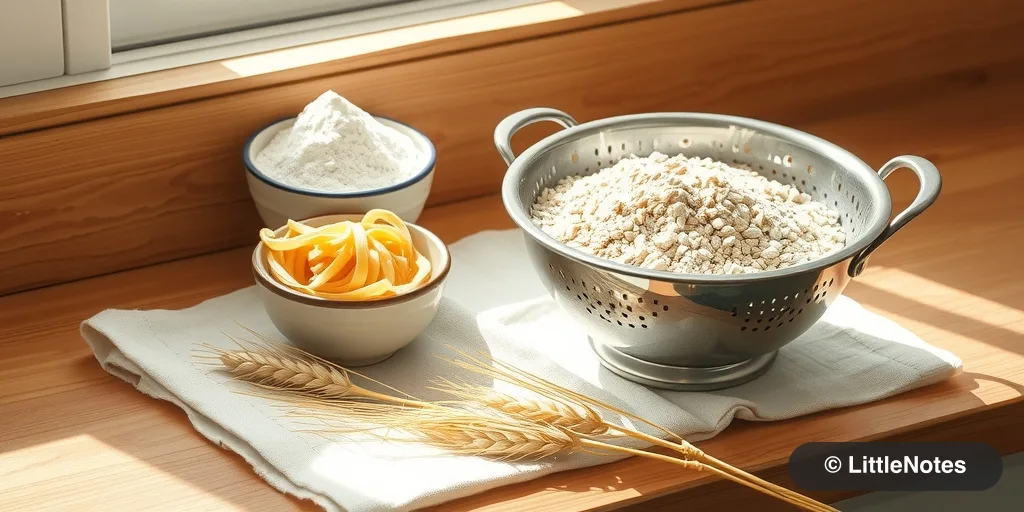
As parents, we are often overwhelmed by the constant debate over 'maida' (refined flour). While it is common in many diets, it is known to have lower fiber and nutrient content compared to whole grains. Here is how you can manage pasta and grain choices for your toddler.
Why Consider Whole Grains?
Refined flour can lead to faster blood sugar spikes compared to whole grains, which contain more fiber. High-fiber foods help keep your child’s energy levels stable, preventing the 'sugar crash' that can sometimes lead to irritability or mood swings.
Finding the Balance
If you aren't ready to go 100% whole grain, focus on the 'overall meal' rather than just the pasta itself:
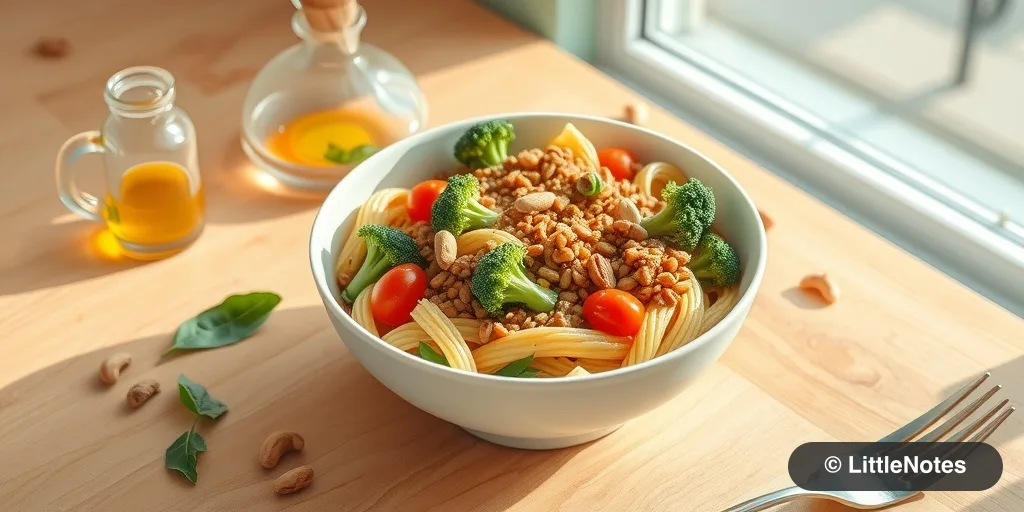
- Load it Up: If you are serving pasta, ensure it is heavily loaded with fibrous vegetables, healthy fats, and a protein source. This helps negate the impact of the refined flour.
- Frequency: Many families treat refined-flour pasta as an occasional meal (1-2 times a month) rather than a staple.
- Explore Alternatives: There are excellent store-bought options today made from lentils, millets, or whole grains. Brands like Donna Pastaia, Slurrp Farm, or Millet Amma offer nutrient-dense alternatives that are just as convenient.
Reducing the Mental Load
Parenting is exhausting. If meal planning feels daunting, consider these strategies:
- Weekly Planning: Spend a Sunday evening setting up your family’s menu for the week.
- Standardize: Create a list of 'standing instructions' for caregivers. This ensures your baby gets a balanced diet without you having to micromanage every meal.
- Be Kind to Yourself: There is no need for perfection. If you choose convenience today, balance it out with a nutrient-rich meal tomorrow. It’s about the long-term patterns, not a single meal.

Consult your pediatrician if you have questions about your child’s specific dietary needs or gut health.





Comments