Watching your three-month-old deal with a fever and congestion is one of the most stressful experiences for a new parent. When your little one is feeling under the weather, it’s natural to want to provide immediate relief, but it’s crucial to prioritize medical guidance alongside comfort measures.
When to Call the Pediatrician
For a three-month-old, a fever of 101°F (38.3°C) or higher is significant. Because infants this young have developing immune systems, always consult your pediatrician immediately when a fever occurs. Do not rely solely on home remedies or over-the-counter medications without your doctor's approval regarding dosage and suitability.
Practical Comfort Measures
While you wait for professional advice, here are some gentle ways to help your baby stay comfortable:
- Managing Nasal Congestion: A blocked nose makes feeding and sleeping difficult. Saline nasal drops (available at most pharmacies) can help loosen mucus. Keep your baby’s head slightly elevated while sleeping to help them breathe more easily.
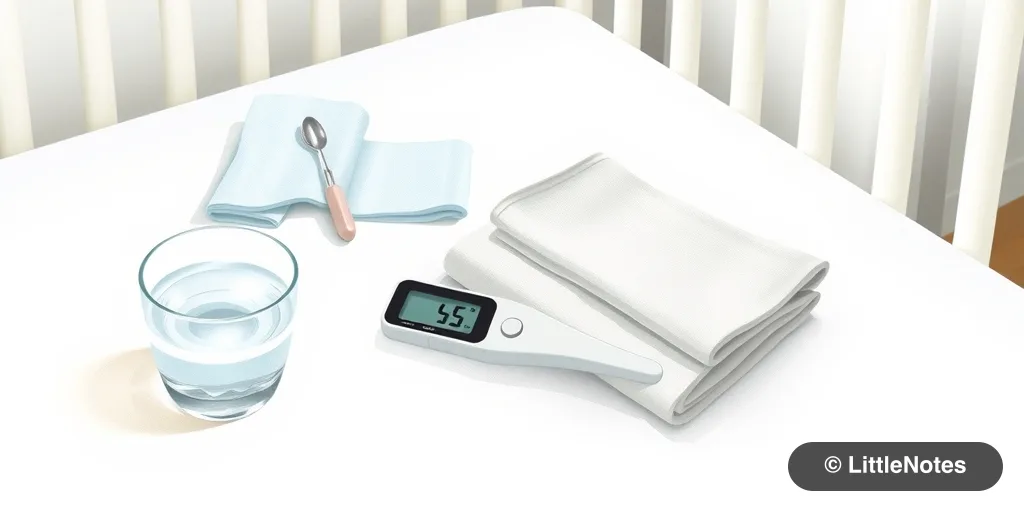
- Temperature Regulation: If your pediatrician advises fever-reducing medication, ensure you have the exact dosage based on your baby’s current weight. Additionally, you can perform room-temperature sponge baths by gently wiping your baby’s forehead, palms, and the soles of their feet with a soft, damp cloth.
- Gentle Aromatherapy: Some parents find relief using baby-safe, camphor-free cold relief roll-ons containing natural ingredients like eucalyptus, tulsi, or lavender. Always ensure these products are labeled as safe for 0+ months and are pediatrician-tested.
- Traditional Soothing: Many parents swear by gentle methods like keeping an 'ajwain potli' (a small pouch of roasted carom seeds) nearby—not directly on the skin, but close enough for the baby to inhale the mild, natural vapors, which may help with congestion.

A Final Reminder
Remember, your pediatrician is your best partner in your baby’s health journey. If your baby is unusually cranky, lethargic, or showing signs of respiratory distress, seek professional care right away. Stay calm, keep them hydrated, and monitor their temperature closely.




Comments