
Reaching the point where you are down to one occasional nighttime feed is a significant parenting milestone. It represents both a change in your child’s development and a major shift in your own body’s physiological rhythm. However, skipping feeds—especially when you go 24 hours or more without nursing—can leave you feeling physically uncomfortable as your body struggles to recalibrate its production.
The Science of the 'Transition Period'
Even though you have reduced the frequency of feedings, your body is still wired to produce milk. When you skip a scheduled feed, your breasts remain full. This fullness tells your body to keep the factory running. The goal during the weaning phase is to reduce supply gradually while maintaining comfort, avoiding the painful engorgement that can lead to complications.
Step-by-Step Comfort Strategy

1. Relieve, Don’t Empty Your first instinct might be to use an electric breast pump to relieve the pressure, but this is counterproductive. Pumping mimics a baby’s demand, signaling your brain to maintain or even increase supply. Instead, use hand expression. Gently express just enough milk to soften the tissue and alleviate pain. Stop immediately once you feel relief; you want to leave some milk in the breast to signal the body to slow down production.
2. Managing Swelling and Soreness Engorgement is often a combination of trapped milk and tissue inflammation. To manage this:
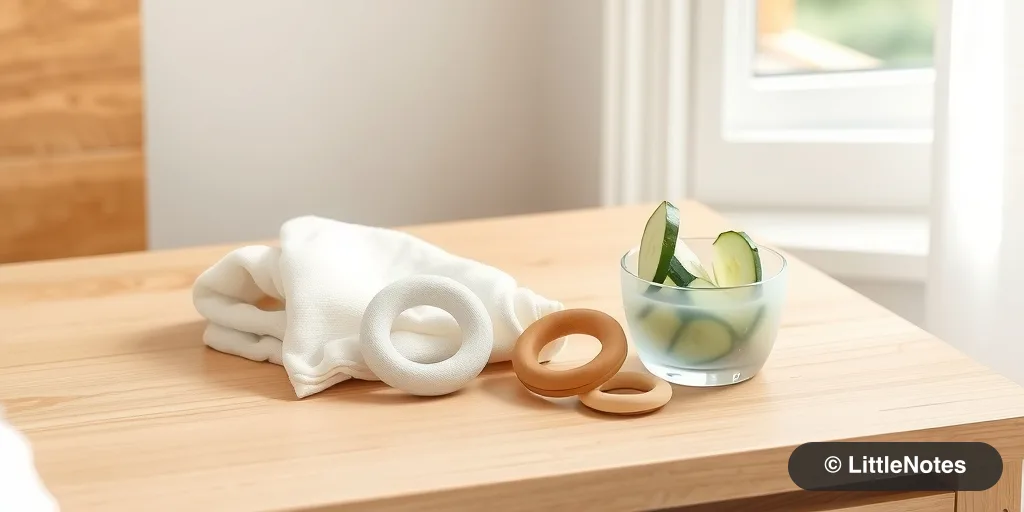
- Cold Compresses: Use ice packs, cold gel packs, or even a bag of frozen peas wrapped in a cloth. Apply for 15–20 minutes at a time to constrict blood vessels and numb the ache.
- The Cabbage Leaf Trick: Placing clean, raw green cabbage leaves inside your bra is a long-standing remedy. The leaves act as a cold compress, and many anecdotal reports suggest the enzymes in cabbage help suppress milk supply. Replace them as they wilt.
- Anti-Inflammatories: If discomfort impacts your daily activities or sleep, consult your healthcare provider about over-the-counter anti-inflammatories like ibuprofen, which can help reduce internal tissue inflammation.
3. Support Without Constriction Choose a supportive, well-fitted bra. Avoid underwires or binding, as these can create pressure points that lead to plugged ducts. A restricted flow can quickly escalate into mastitis, a painful infection that requires medical attention.

The Cosleeping Connection
If you still occasionally nurse during cosleeping, your body receives mixed signals. If you intend to phase out these feeds entirely, consider:
- Barrier Dressing: Wear a high-necked, structured pajama top to create a physical boundary.
- Alternative Comfort: Replace the latch with back rubs, cuddles, or offering a water cup if your child wakes out of habit.
When to Seek Help: Red Flags
While some discomfort is expected, mastitis is a genuine risk during weaning. Contact your pediatrician or a healthcare professional if you experience:
- Fever, chills, or flu-like body aches.
- Hard, painful, or hot red lumps that do not soften with gentle hand expression.
- Symptoms that persist or worsen over several days.
A Note on Natural Aids
Mums often discuss methods like drinking sage tea or consuming high doses of peppermint to help dry up supply. While common in parenting forums, always research these ingredients and verify their safety for your specific health history. Similarly, while some use decongestants containing pseudoephedrine, consult a pharmacist or doctor before using any medication for off-label purposes.

Finally, be gentle with yourself. Weaning can trigger a hormonal shift that may cause feelings of sadness or emotional volatility. This is a biological response to dropping hormones; recognize it as part of the process and reach out for support if you feel overwhelmed.



Comments