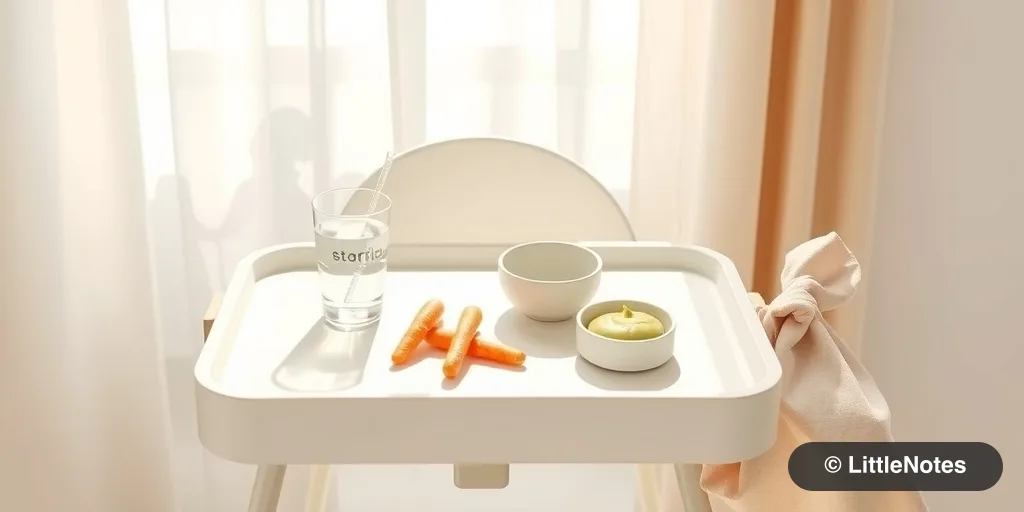
Starting solids is a major milestone, but it often brings a new set of questions—especially when you notice your little one’s diaper contents starting to change. If you’ve recently started the journey of introducing purees or finger foods, you might be wondering how much water your baby actually needs and why their digestion seems different.
Should Water Be Offered During or After Meals?
When you first start solids, your baby is still getting the vast majority of their hydration from breast milk or formula. At this stage, water is an introduction rather than a necessity. There is no strict rule on whether to offer water during or after a meal; the most important goal is simply to help them get comfortable with using a cup or a straw.
If your baby is easily distracted after a meal or prefers to return to play, don’t stress about the amount. A few sips—even just a teaspoon or two—is perfectly fine. The goal is to build the habit, not to ensure they are fully hydrated by water alone, as breast milk or formula remains their primary fluid source.
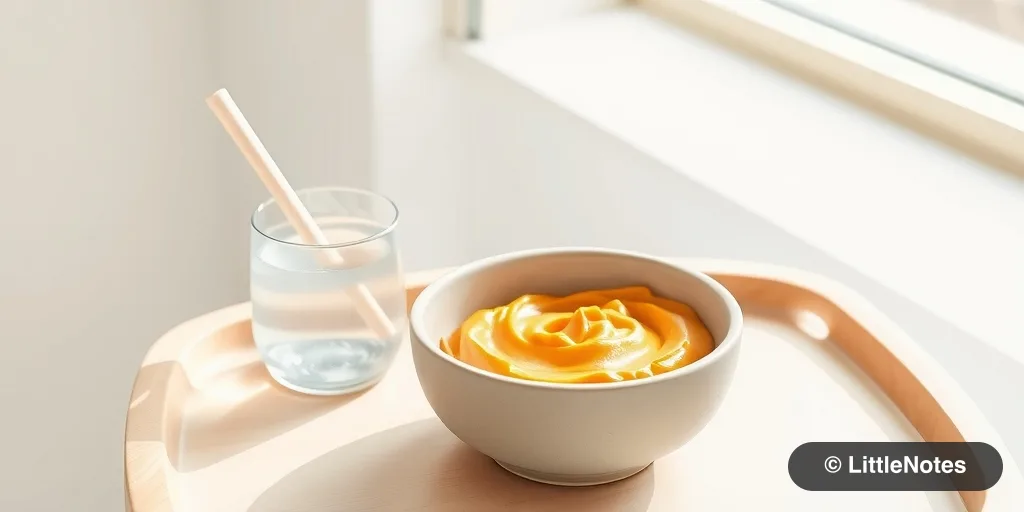
Understanding Changes in Digestion
It is completely normal for stool consistency to thicken and change as your baby begins consuming solid foods. You will likely notice it becoming more "adult-like" or textured. As long as your baby is not in distress, and their stool isn't hard, dry pebbles (which can indicate constipation), there is usually no cause for alarm.
If you are concerned about digestive comfort, consider the following:
- Monitor 'Stool-Binding' Foods: Some fruits and grains can be more binding than others. For example, bananas (especially those that aren't fully ripe) and apples can sometimes firm up a baby’s stool. If you notice a specific food causes discomfort, you can simply reduce that item for a few days.
- Focus on Fiber: Introduce a variety of vegetables and fruits. Foods rich in soluble fiber can help keep things moving smoothly.
- Go Slow: The digestive system needs time to adjust to new textures and nutrients. Introducing one food at a time in small amounts is a great way to monitor how your baby reacts.
The Takeaway
Remember that every baby adjusts at their own pace. By 12 months, your little one will naturally be drinking more water as their diet shifts toward more solids. For now, focus on the fun of discovery. If you ever feel that your baby is experiencing true constipation or if you have specific concerns about their fluid intake, always consult your pediatrician for guidance tailored to your child’s health history.


Comments