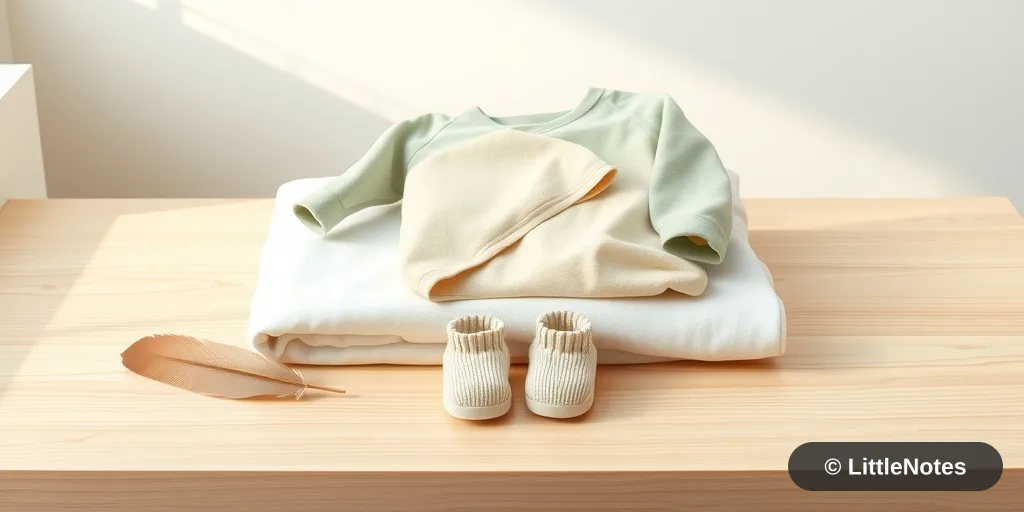
Welcoming a newborn into your home comes with many decisions, and clothing is often one of the first. In regions with varying weather—like monsoon seasons transitioning into cooler months—the secret to keeping your baby comfortable is the art of layering.
The Layering Strategy
Babies are still learning to regulate their body temperature, so it’s best to layer them according to the room temperature.
- For Warmer Days: Short-sleeved cotton rompers or knee-length outfits are perfect for breathability.
- For Cooler Weather: Full-length onesies or full-sleeved tops paired with soft pants work well. If you are in a chilly environment, you can layer a light sweater or a sleep sack over their base layer.
- A Note on Mittens and Beanies: While they look adorable, newborns generally do not need mittens or beanies indoors unless it is very cold, as babies release excess heat through their hands and heads.
Practical Choices for Diaper Changes
One of the biggest lessons many new parents learn is that convenience is king, especially during those middle-of-the-night diaper changes.
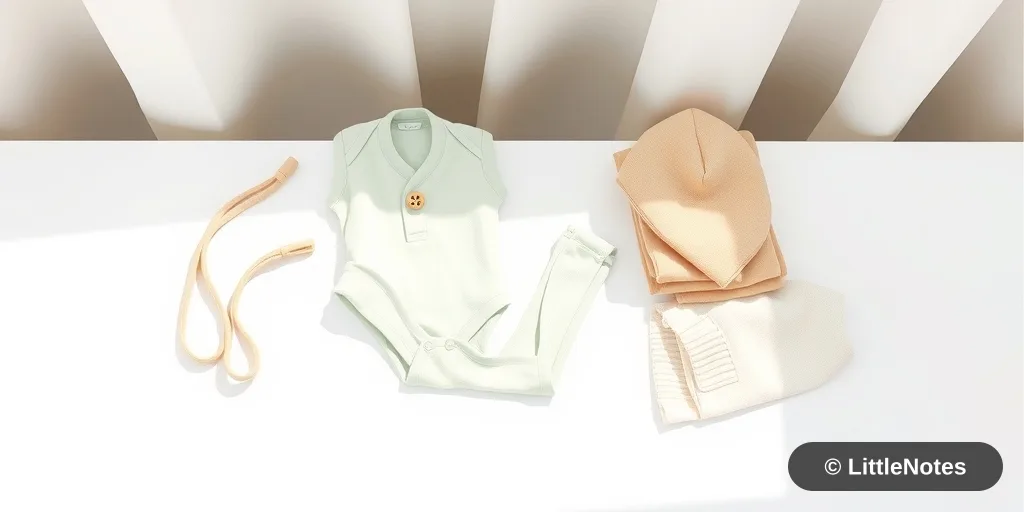
- Two-Way Zipper Onesies: These are a game-changer. They allow you to change a diaper quickly without undressing the baby entirely, minimizing exposure to the cold and reducing fussiness.
- Separates: Some parents prefer using simple tops and pants. This setup is highly practical if you find yourself doing frequent changes, as you can keep the top layer on, keeping the baby warm while only adjusting the bottoms.
Tips for Success
- Soft Fabrics: Stick to 100% cotton to ensure the fabric is gentle on sensitive newborn skin.
- Stains and Changes: If you find that full-body onesies are becoming a hassle during diaper blowouts, don't be afraid to experiment with comfortable pants and separate tops.
- Sleeping Safely: Use a swaddle or a sleep sack rather than loose blankets to keep your little one cozy while ensuring a safe sleep environment.
Consult your pediatrician if you are ever concerned about your baby’s temperature or skin sensitivity.




Comments