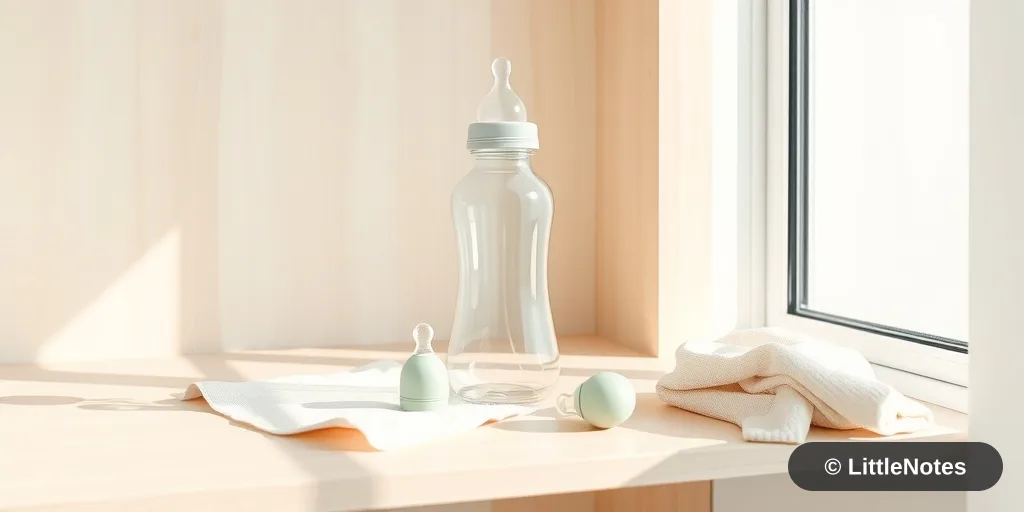
The fear of 'nipple confusion' can cause immense anxiety for breastfeeding parents. However, many lactation experts and parents find that with the right technique, introducing a bottle alongside direct breastfeeding is often manageable.
Paced Bottle Feeding
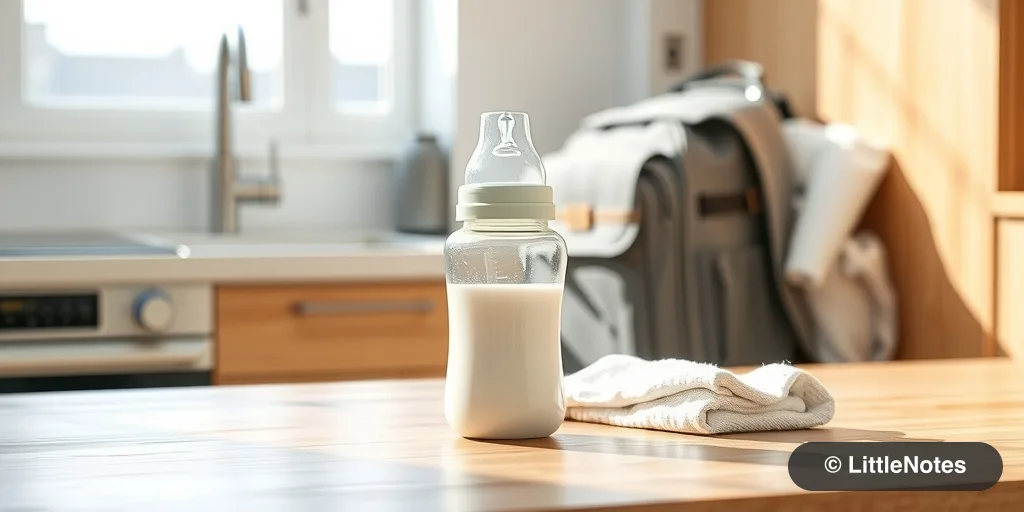
One of the most effective ways to support a baby who is both breast and bottle-fed is 'paced bottle feeding.' This technique mimics the natural flow of breastfeeding, ensuring the baby doesn't develop a preference for the faster flow of a bottle. By using a slow-flow or preemie-sized nipple, the baby has to work to get the milk, similar to how they do at the breast.
Bottle Selection
Choosing the right bottle can make a world of difference. Many parents look for:
- Wide-neck bottles: These often mimic the shape of the breast and encourage a deeper latch.
- Material: While plastic is convenient, glass is a popular option for parents concerned about durability and cleaning.
- Anti-colic features: These help reduce the amount of air a baby swallows, which can lead to less gas and fussiness.
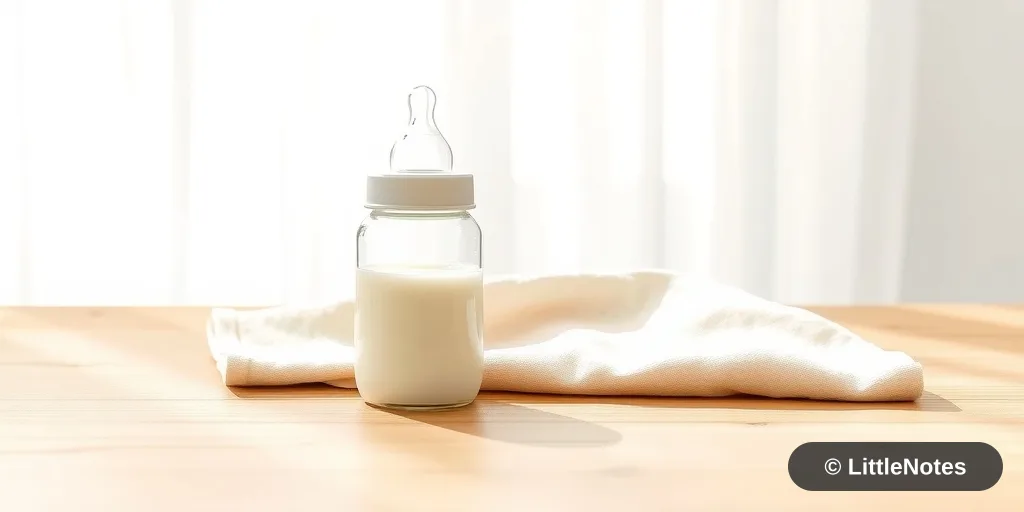
Addressing Bottle Refusal
If your baby resists the bottle, it can be frustrating. Try these tips:
- Start Early: If you plan to bottle feed occasionally, introducing it once a day early on can help normalize the experience.
- Temperature: Ensure the milk is warm, and sometimes warming the bottle nipple itself can help it feel more familiar.
- The 'Person' Factor: Sometimes a baby associates the breast with you, so having a partner or caregiver offer the bottle can make the baby more receptive.
- Patience: If the baby is overly hungry, they may become frustrated. Try offering the bottle when they are in a calm state, rather than when they are already crying from hunger.
Note: Every baby is different. What works for one may not work for another, and that is completely normal. If you are struggling with your baby's feeding, a consultation with a lactation professional can provide personalized guidance for your unique situation.


Comments