That colourful pack of ragi cookies promising wholesome nutrition for your toddler? It might contain more sugar than you think. A growing number of parents are discovering that popular kids food brands use clever marketing to mask surprisingly high sugar content.
The Label Check That Changed Everything
One parent decided to read the ingredient list on a popular pancake mix marketed for toddlers. The findings were sobering: 14% jaggery and 14% raw unrefined sugar — meaning nearly a third of the product was sweetener. The cookie from the same brand contained 22% total sugar.
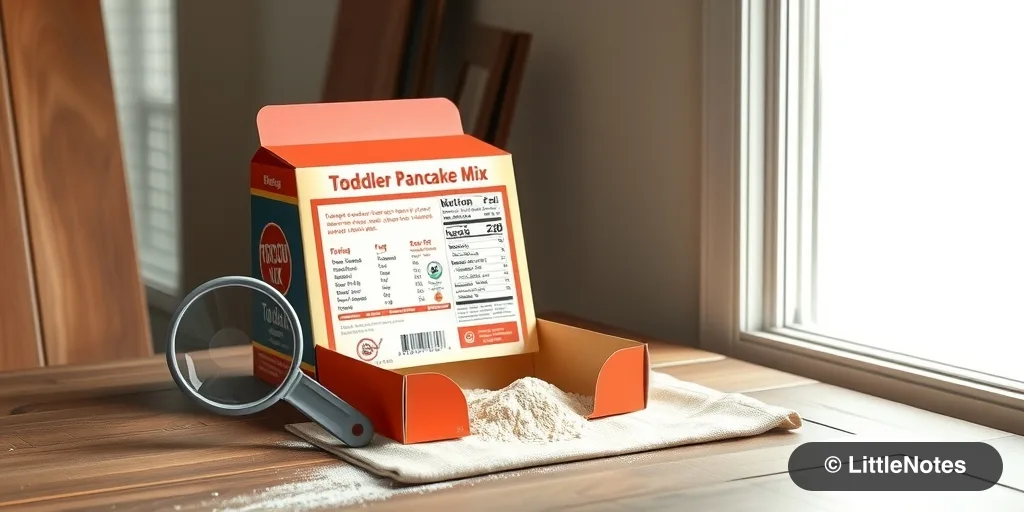
The lesson is clear: just because a product uses jaggery instead of refined sugar does not make it healthy. Sugar is sugar, regardless of the source.
What to Look For
When reading food labels for your toddler's snacks, check:
- Total sugar content as a percentage of the product. Anything above 10% is high for a daily snack.
- The ingredient order. Ingredients are listed by weight. If any form of sugar appears in the top three, reconsider.
- Marketing claims vs reality. Terms like millet-based, no refined sugar, or natural sweetener can be misleading if the total sugar is still high.
The Homemade Alternative
The irony is that homemade versions of most packaged snacks are just as quick to prepare:
- Pancakes: Blend oats or ragi flour, banana, egg, and milk in a mixie. Pour and cook. Three minutes, zero added sugar.
- Cookies: Oats, mashed banana, a touch of ghee, and optional chocolate chips. Simple and you control every ingredient.
- Crackers: Ragi flour with seeds, rolled thin and baked.
Brands That Do Better
Not all packaged snacks are problematic. Natible Ragi Mini Cookies use jaggery in modest amounts and are popular with parents. Akshayakalpa dairy products are consistently recommended for their clean ingredients. For chocolate, Whole Truth dark chocolate is a favourite, though their protein products are designed for children 5 years and above.
The Balanced Approach
The goal is not to eliminate all packaged snacks — that is neither practical nor necessary. The goal is awareness. Read the label, know what you are feeding your child, and save the higher-sugar treats for occasional use rather than daily snacking.




Comments