Whether you are juggling office hours or managing night feeds, understanding the guidelines for formula preparation can save you time and provide peace of mind. Here is a breakdown of what current guidelines suggest for keeping your baby’s milk safe.
The 'Fresh is Best' Rule
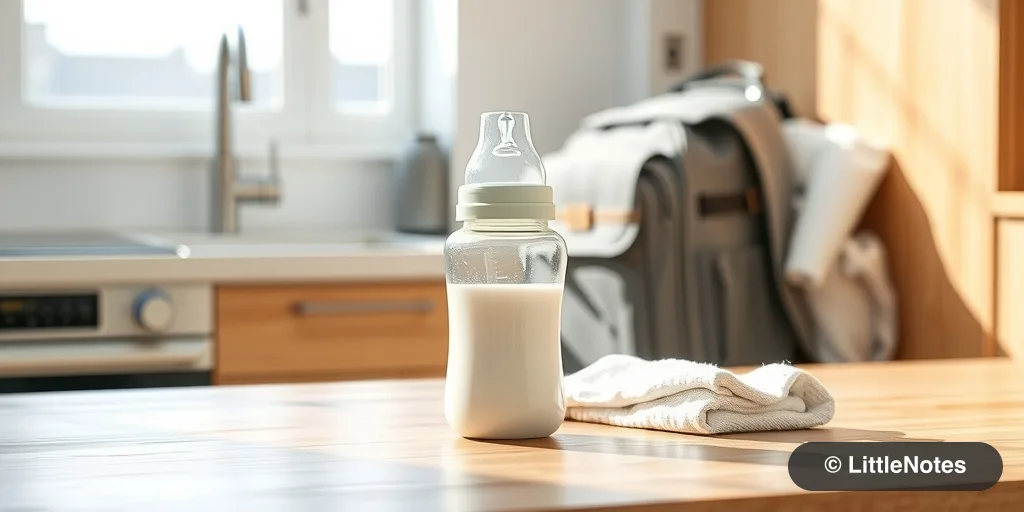
Generally, it is best to prepare formula fresh for each feed. However, for parents who need to prepare ahead, refrigerated formula is a safe option.
- Refrigeration: Freshly prepared, untouched formula can be kept in the refrigerator for up to 24 hours. Always label the bottle with the time it was prepared so you don't lose track.
- The Two-Hour Window: If you have prepared a bottle and kept it at room temperature, it should be consumed within two hours. If it has been sitting out longer than that, it is best to discard it to prevent bacterial growth.
- Once Touched, Toss It: Once a baby has started drinking from a bottle, bacteria from their saliva is introduced to the milk. Any leftovers from that specific feed should be finished within one hour, and then discarded. Do not save or refrigerate a bottle that has already been sipped from.
Warming Safely
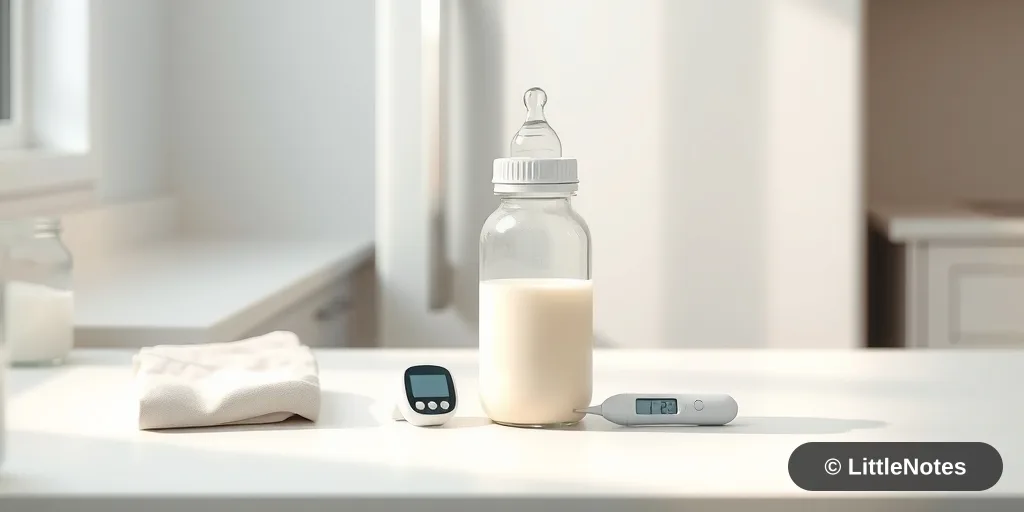
When you are ready to serve a refrigerated bottle, never use a microwave, as this creates 'hot spots' that can burn your baby’s mouth. Instead, place the bottle in a bowl of warm water or use a dedicated bottle warmer. Gently swirl the bottle periodically to ensure the milk is heated evenly.
A Note on Hygiene
Always ensure your hands are washed thoroughly before preparing bottles. If you are preparing large batches, ensure your storage containers are sterilized properly. If you ever have doubt about the freshness of a bottle, the safest choice is always to discard it and prepare a fresh one.
For any specific questions regarding your baby’s nutritional needs or safety concerns, consult your pediatrician.



Comments