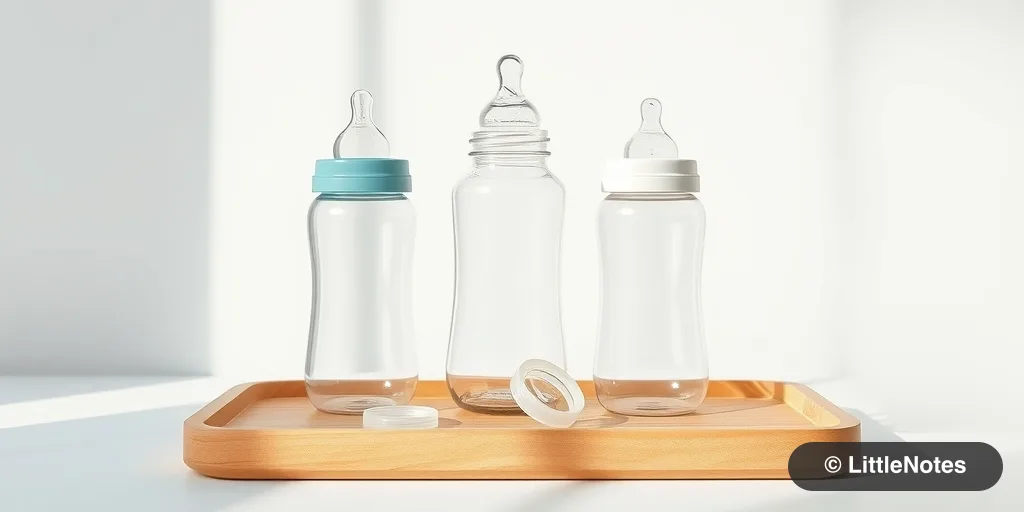
It’s a common question for parents around the 3 to 4-month mark: 'My baby is drinking fast and seems impatient—is it time to size up their bottle nipple?'
While it’s tempting to jump to a faster flow to satisfy a hungry baby, faster isn’t always better. Before switching to a higher nipple level, consider the following:
Why Your Baby Might Be Impatient
- The 'Fast' Illusion: Sometimes, babies are simply becoming more efficient feeders. They may finish a bottle faster, but that doesn't necessarily mean they need a faster flow.
- Growth Spurts: If your baby is going through a growth spurt, they may seem more ravenous than usual. This is often temporary and usually stabilizes within a few days.
- Positioning: If your baby is fussy, check their positioning. Even with bottle-feeding, maintaining a comfortable, semi-upright position can help prevent them from swallowing air, which often causes frustration during a feed.

Signs They Are Actually Ready
If your baby is consistently taking a very long time to finish a bottle (30+ minutes), seems to be struggling to get milk out, or is falling asleep from the effort of sucking, it might be time to consider the next level.
A Word of Caution
Moving up a nipple level too early can lead to 'gulping,' increased spit-ups, or the baby becoming overwhelmed by the flow. If your baby is already a fast eater, a higher-flow nipple might actually make them more impatient or lead to discomfort.
The Bottom Line: If the current level is working and the baby is gaining weight and seems generally content, there is no rush to size up. If you are unsure, follow your baby’s cues—if they aren't complaining about the flow speed, they likely aren't ready for the next level yet.
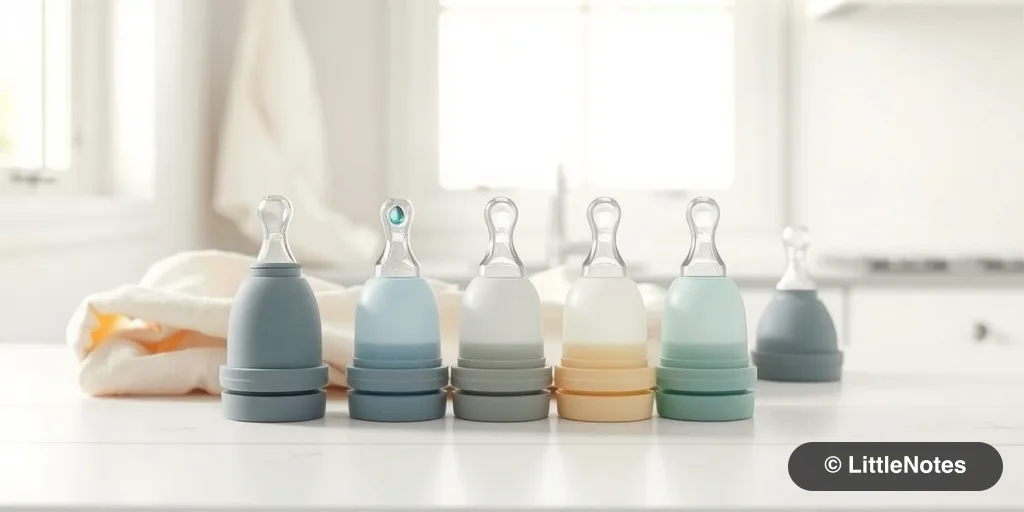
Always consult your pediatrician if you are worried about your baby’s feeding habits or growth milestones.


Comments