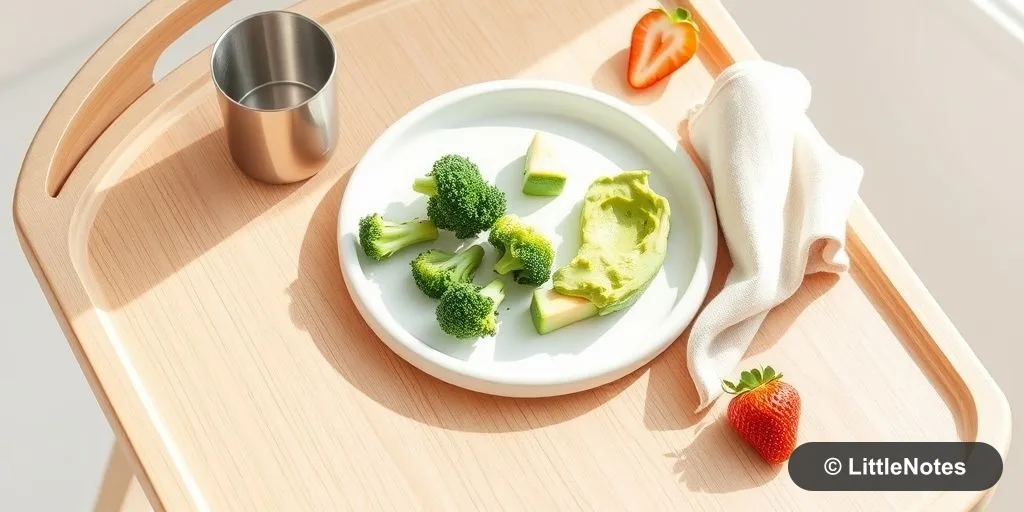
As you prepare for the transition to solid foods, it’s normal to feel anxious about safety. While it might be tempting to purchase anti-choking devices, it is important to know that these tools are not endorsed by health governing bodies and may potentially cause more harm than good in an emergency.
Instead of relying on gadgets, the best preparation is education and practice. First, take the time to learn the difference between gagging (a normal, noisy reflex that helps babies move food to the front of their mouths) and true choking (a silent emergency). Familiarize yourself with current first-aid techniques, such as back blows and chest thrusts, through reputable, accredited sources or local workshops.

Many parents find that practicing the positioning for back blows during play helps build muscle memory. Because your baby will grow and get heavier quickly, periodic practice ensures you feel confident in your ability to act if ever needed. Knowledge is your best safety tool—invest in learning the proper techniques rather than purchasing unverified products. For comprehensive guidance on how to serve foods safely, consult resources from pediatric health experts.




Comments