Embarking on the solids journey is an exciting milestone. As you introduce your little one to new flavors and textures, it's natural to have questions about what to feed them and how to prepare it safely. Here is a guide to navigating the basics.
Choosing the Right Grains
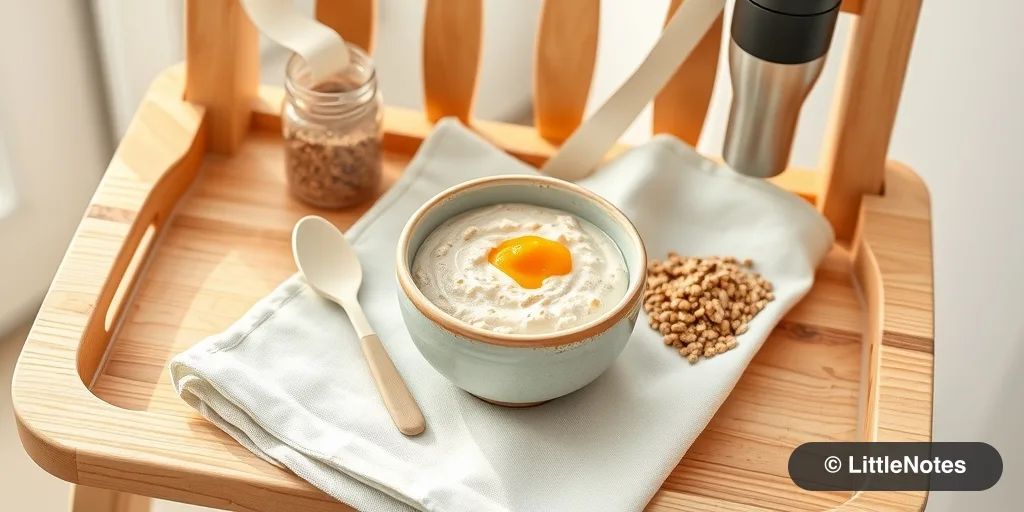
When introducing solids, rolled oats are a favorite among parents. They cook into a soft, creamy texture that is easy for infants to swallow and digest. While steel-cut oats are a healthy whole-grain option, they can be quite chewy and require longer cooking times—perfect for a pressure-cooked khichdi, but perhaps a bit challenging for a beginner. Always remember that variety is key; rice, ragi, and wheat are also excellent, naturally hypoallergenic choices.
Spicing Up Mealtime
There is no strict sequence for introducing spices! In fact, the best approach is to mirror the flavors your family enjoys at home. Starting with mild, gut-friendly spices like turmeric (haldi), cumin (jeera) powder, coriander powder, asafoetida (hing), and garlic is a wonderful way to introduce variety. You can even experiment with roasted cumin or hand-crumbled dried curry leaves in your tadka. The goal is to keep it simple—a pinch of spice and a small amount of ghee or oil can make a nutritious meal much more flavorful.
Kitchen Safety: Choosing Utensils
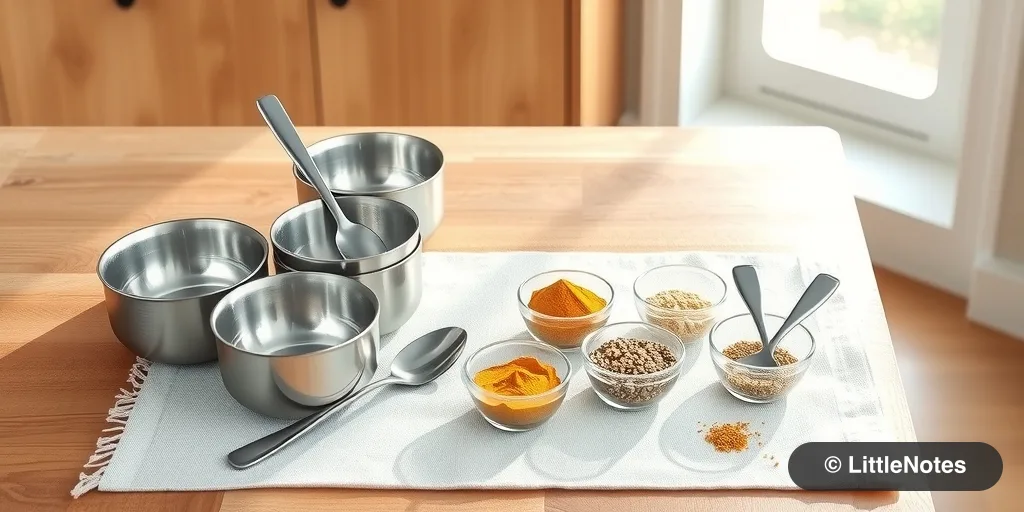
When it comes to feeding your baby, stainless steel is widely recommended as the gold standard. It is durable, economical, and—most importantly—non-reactive with food. While silicone is popular, it can sometimes hold onto odors or soap tastes over time. If you are considering brass (kansa), ensure it is specifically made for cooking and features a protective tin coating to prevent metal leaching, especially when dealing with acidic ingredients like tomatoes or citrus.
A Note on Texture and Acceptance
It is completely normal for babies to go through phases where they reject certain textures, like rotis or cheelas, even after previously enjoying them. Many parents find success by continuing to offer these items in different ways—try cutting them into fun shapes, stuffing them, or simply letting your little one explore the food at their own pace. If your baby turns a piece of paratha into a "flag" rather than a meal, don't worry! Keep offering it alongside other foods, and they will likely come around as they gain confidence in their chewing skills.
Consult your pediatrician regarding your baby’s specific nutritional needs, especially if your child has a history of reflux or suspected allergies.


Comments