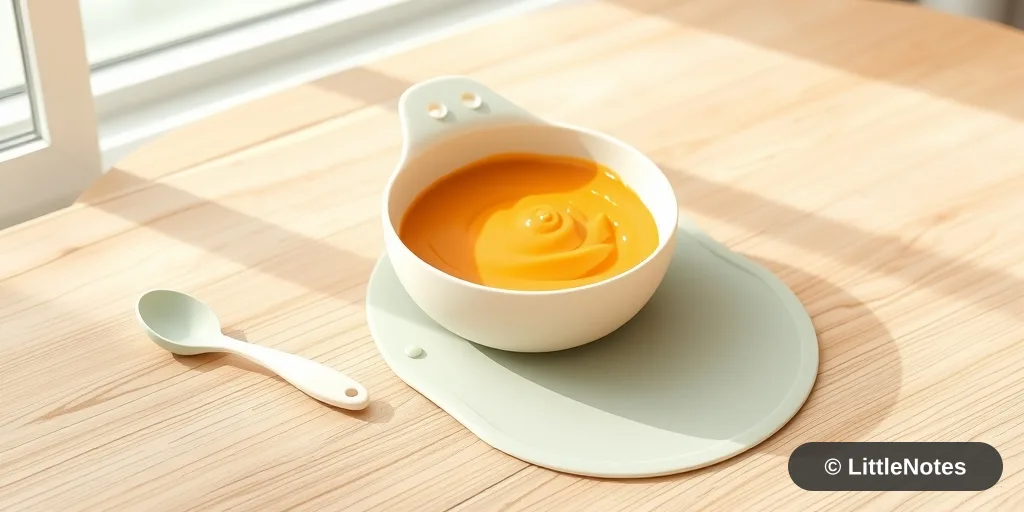
Starting solids is a major milestone, but it often comes with a flurry of questions about gear and prep. First, let’s clear up a common misconception: you do not need expensive, dedicated baby food blenders. Many parents find that a standard home blender, a fork for mashing, or even a simple metal colander to press soft foods through works perfectly for those first few weeks of thin purees.
Feeding Gear Basics
- High Chairs: Look for options that are foldable if space is tight, or ones that offer stability and ease of cleaning. Features like adjustable footrests are a bonus for posture.
- Utensils: Silicone plates and spoons are popular, but remember that silicone can sometimes trap odors or develop mold if not cleaned thoroughly. Always check manufacturer instructions—some silicone can be sterilized, while others should be washed with soap, warm water, and a dedicated scrubber. Many parents eventually incorporate stainless steel cutlery as well.
- Training Cups: Transitioning from bottles to cups is a journey. While sippy cups are common, many experts and parents prefer open cups or weighted straw cups, as they are considered more beneficial for oral development. Don't be discouraged if your baby treats their first cup like a toy—modeling the behavior yourself and offering small, consistent sips is key.
Preparation and Texture Instead of jumping straight to purees, consider the "transition strategy." Spend the first week or two passing softened fruits and veggies through a sieve to achieve a smooth texture, then quickly move to hand-mashing or fork-mashing. This exposes your baby to natural textures earlier, which can help them accept a wider variety of foods as they grow.
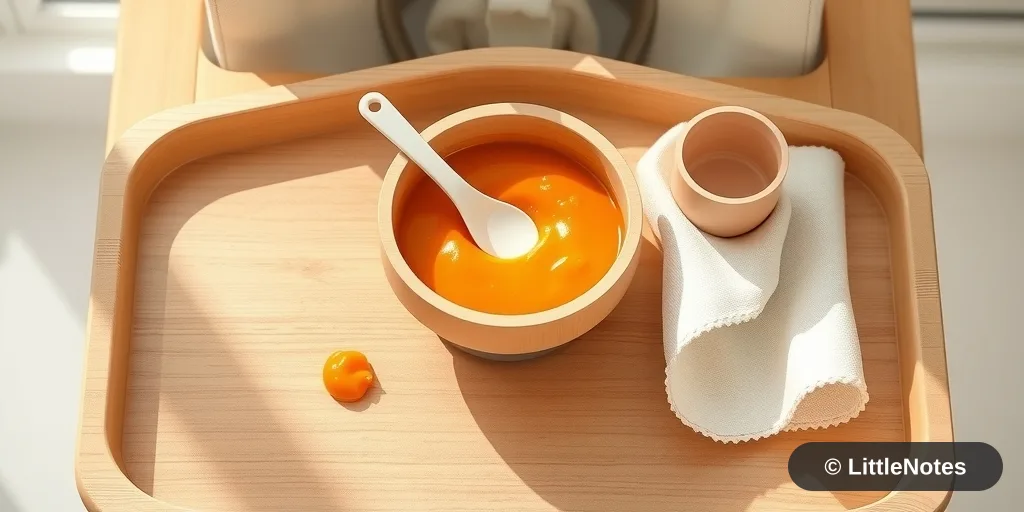
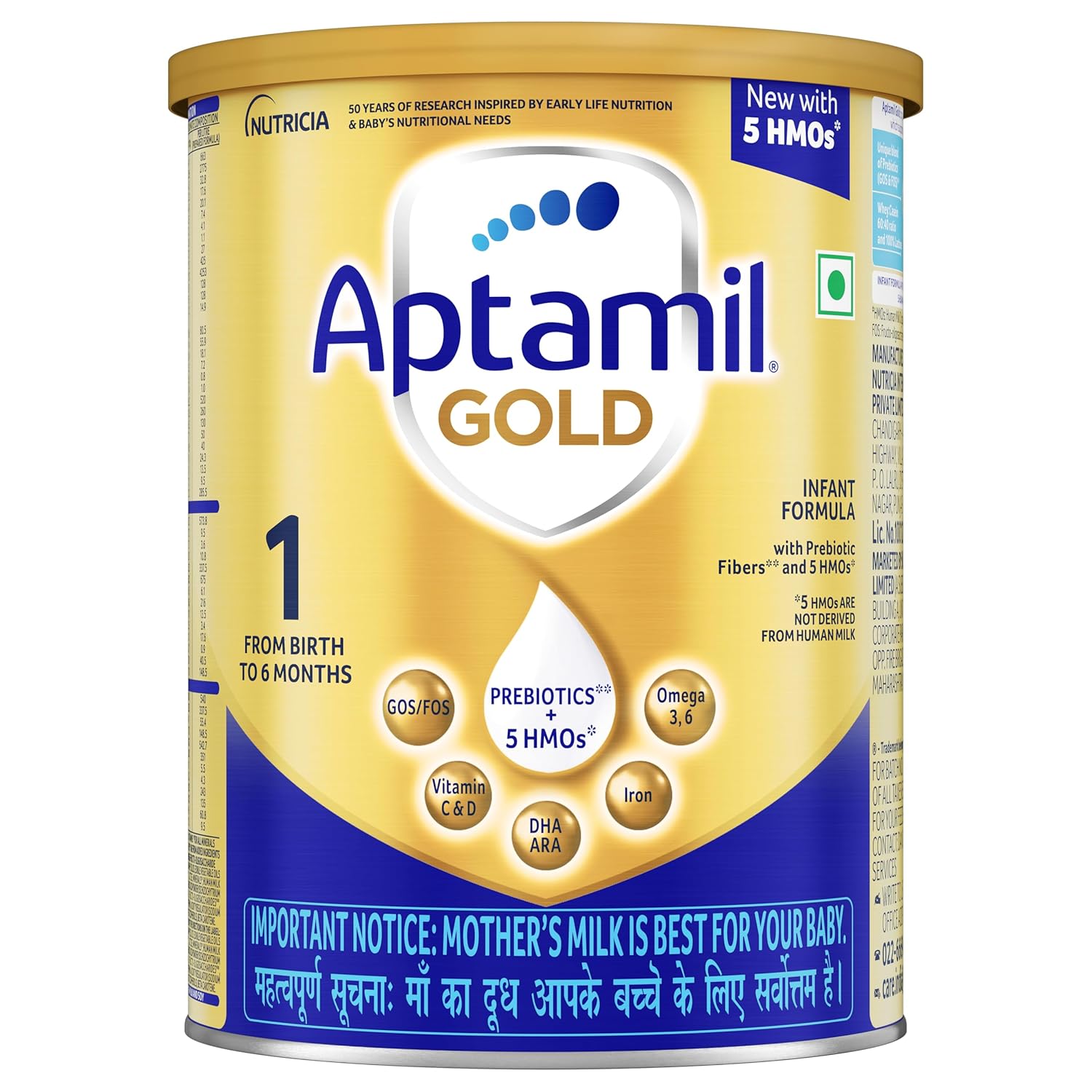
A Note on Nutrition When you start, focus on single-ingredient, easily digestible foods like steamed vegetables or fruit purees. It is generally recommended to offer solids earlier in the day—such as breakfast or lunch—to give your baby plenty of time to digest before their nighttime sleep. Remember, at 6 months, breast milk or formula remains the primary source of nutrition and hydration. If you have questions about specific dietary plans or nutrition, consult your pediatrician, as they can provide guidance tailored to your baby's specific needs.



Comments