
Starting your baby on solid foods is an exciting milestone, but it often brings a host of questions regarding routine, nutrition, and travel. Whether you are at home or on the go, here is some collective wisdom to help you navigate this phase.
The 'When' and 'How' of Starting
While the journey typically begins around six months, focus on your baby's unique readiness signs rather than just the calendar. When you do start, many parents find that skipping purees in favor of hand-mashed food helps babies get used to texture from the very beginning. If you are introducing new foods, remember the "three-day rule": introduce one new food at a time and wait three days before adding another to help you monitor for any potential allergies.
Travel Simplified
Traveling with a baby who is starting solids doesn't have to be overwhelming. If your trip is short, you can often rely on breastfeeding or formula, but for longer stays, preparation is key.
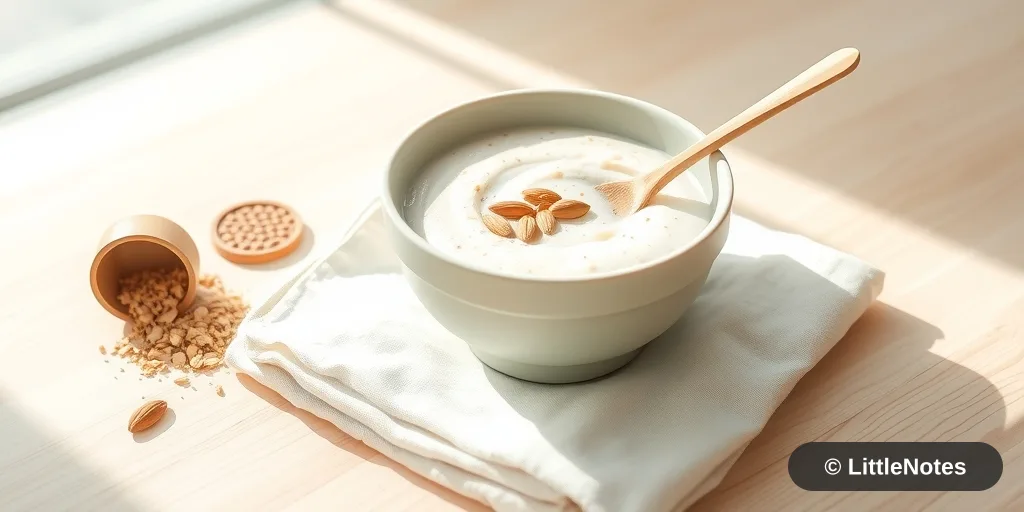
- Premix Essentials: Pack "premixes" like roasted oats powder, suji (semolina), makhana powder, or khichdi mixes that only require boiling water or a quick cook in an electric kettle.
- Hotel Hacks: Don't hesitate to reach out to your hotel in advance; many are happy to prepare simple, salt-free porridges or vegetable mashes.
- The Convenience Factor: If possible, booking accommodations with a small kitchen (like an Airbnb) allows you to prepare fresh batches and keeps your routine stress-free.

Managing Digestion
It is completely normal for your baby's poop to change color and consistency once they start solids—expect a "rainbow" of diapers!
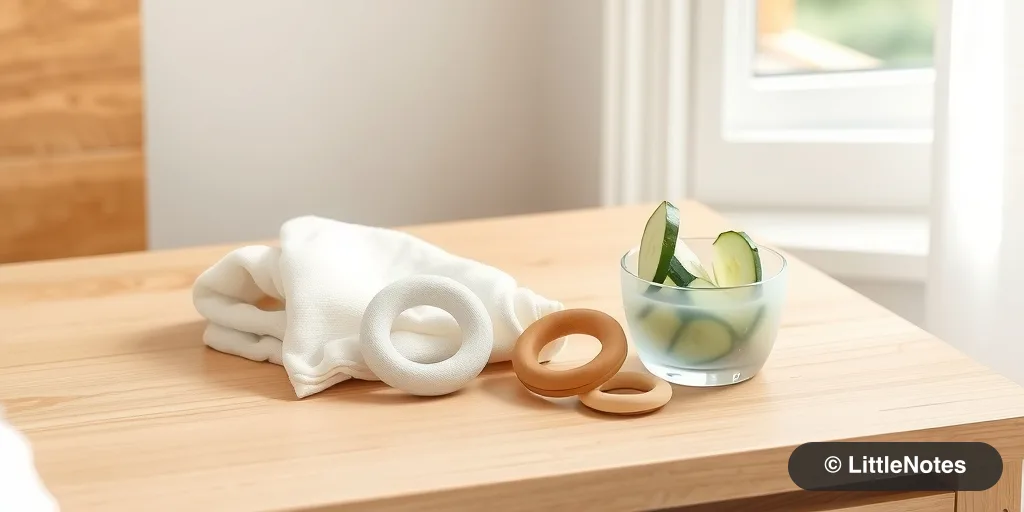
- Hydration: As your baby starts eating more solids, their water intake becomes important. Offer small sips of water throughout the day, especially in humid or hot weather.
- Constipation Relief: If you notice stool hardening, try the "P" fruits: pears, papayas, and prunes. Grating a pear or apple raw can often be more palatable for babies than steaming them if they dislike the texture. If symptoms persist, consult your pediatrician for guidance on appropriate fiber intake or probiotics.
Safety First
As you introduce allergens like nuts or eggs, start with small, gradual amounts. For nuts, roasting and grinding them into a fine powder to mix into porridges or purees is a popular approach. For peanut butter, ensure it is unsweetened and introduce a tiny amount to monitor for reactions.
Disclaimer: Always consult your pediatrician before introducing new allergens or if you are concerned about digestive changes, such as persistent diarrhea or suspected allergic reactions.


Comments