If you have been exclusively breastfeeding at the breast (DBF), the prospect of starting to pump can feel daunting. Whether you are preparing to head back to work or just need a little flexibility, you can introduce pumping without disrupting your supply or your bond with your baby.
How to Begin
- Pick a consistent time: Many parents find that the early morning hours are best for pumping, as your supply is naturally higher. Aim for the same time every day to help your body regulate.
- Don't stress about the 'stash': You don't need a giant freezer stockpile. If you only need enough for work meetings, a few ounces extra a day is perfectly sufficient.
- Practice makes perfect: If you plan to be away, try a few 'trial runs' where you give your baby a bottle of pumped milk while you are nearby. This helps the baby get used to the equipment and gives you peace of mind.
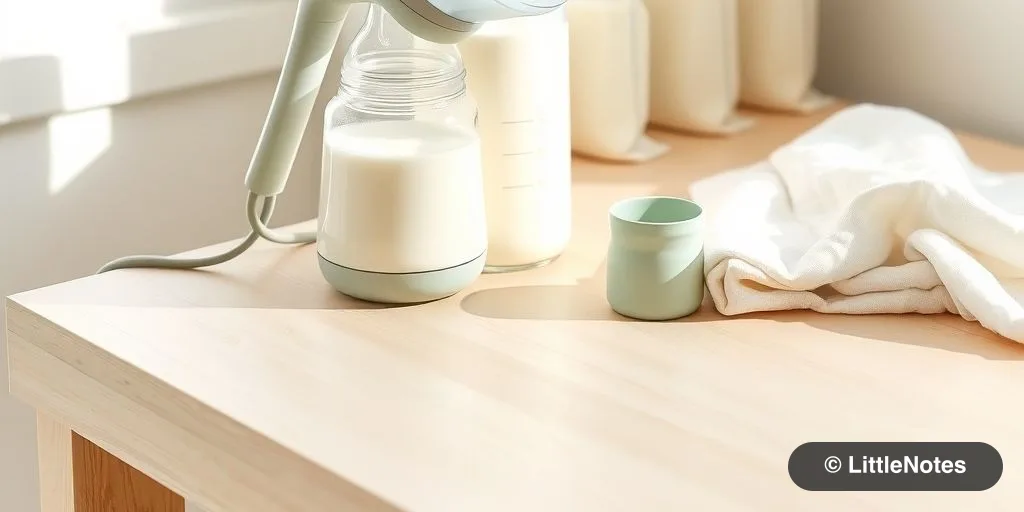
Tools and Storage
- Choosing a vessel: For younger babies, any bottle works, but for older babies (6 months+), many parents swear by weighted straw cups. These are often easier for babies to manage independently and are great for transitioning away from standard bottles.
- Hygiene: Always follow official guidelines for milk storage. Typically, breastmilk can be stored in the refrigerator for several days or frozen for long-term use.
- Hands-free convenience: If you find standard pumps restrictive, look into wearable collections cups that connect to your primary pump. They can be a game-changer for parents who need to move around while pumping.
Remember, pumping does not cause an undersupply; it is simply a way to manage your milk volume. Be patient with yourself as you navigate the equipment and the schedule. It gets easier with practice!




Comments