
Teething can turn a restful night into a challenge, leaving both parent and baby exhausted. When your little one wakes up crying due to oral discomfort, the goal is to provide gentle relief without rushing to medication if it’s not strictly necessary.
Soothing Strategies
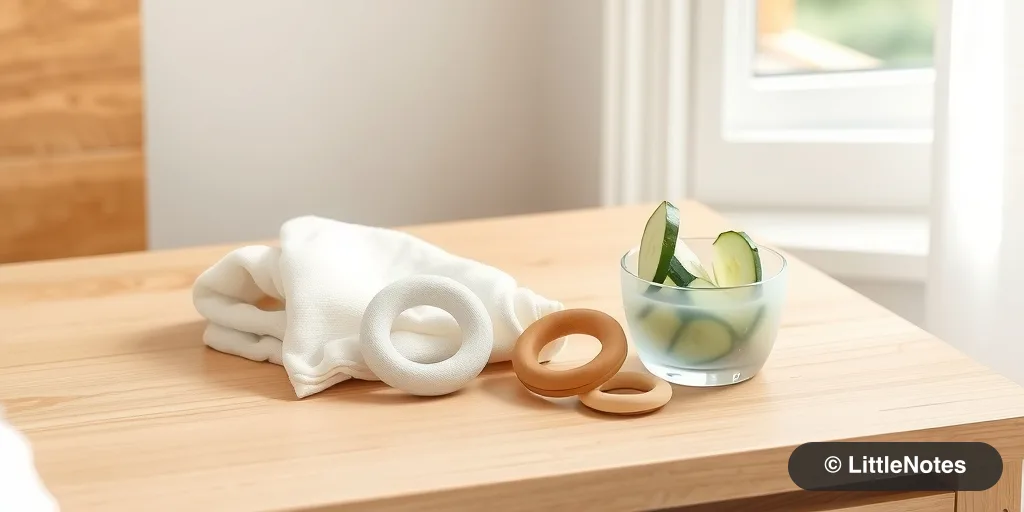
- Cold Therapy: Many parents swear by chilled silicone teethers. Keeping a few clean, BPA-free teethers in the fridge (not the freezer, as it can be too hard for delicate gums) provides an instant cooling effect that numbs pain naturally.
- Comfort and Connection: Teething often makes babies resist feeding, even if they are hungry, because the sucking motion can increase pressure in their gums. Try rocking your baby to calm them before attempting a feed. If they arch their back, don't force it—give them a moment to settle, then try again.
- Topical Relief: If your pediatrician has recommended a specific teething gel or a soothing roll-on, keep these handy by your bedside. Applying a small amount just before rocking can help ease the sharpest sensations.
When to See the Doctor
While teething is a normal part of development, it should not cause high fevers or extreme distress. If your baby is unusually lethargic or seems to be in severe pain that no amount of comfort can soothe, reach out to your pediatrician to rule out other causes like an ear infection, which can also flare up during the night.

Remember, this is a temporary phase. You’re doing a great job by staying consistent and calm; your presence is the most comforting tool you have.



Comments