
Around 18-24 months, many toddlers enter what can only be described as the screaming phase. Everything that does not go their way triggers pure, volcanic rage. If you are in the middle of it, here is what helps — and what does not.
Why it happens
Toddlers at this age are developing a strong sense of what they want, but their ability to communicate and regulate emotions has not caught up. The result: frustration that comes out as screaming, hitting, or throwing. What worked last week — distraction, gentle redirection — suddenly stops working.

What the books say vs reality
Many parenting resources suggest hugging your child to help them regulate. In theory, co-regulation through physical comfort makes sense. In practice, many toddlers push away with all their might during a tantrum. One parent noted their concern about being physically strong enough to safely hold their child during these episodes.
What actually helps
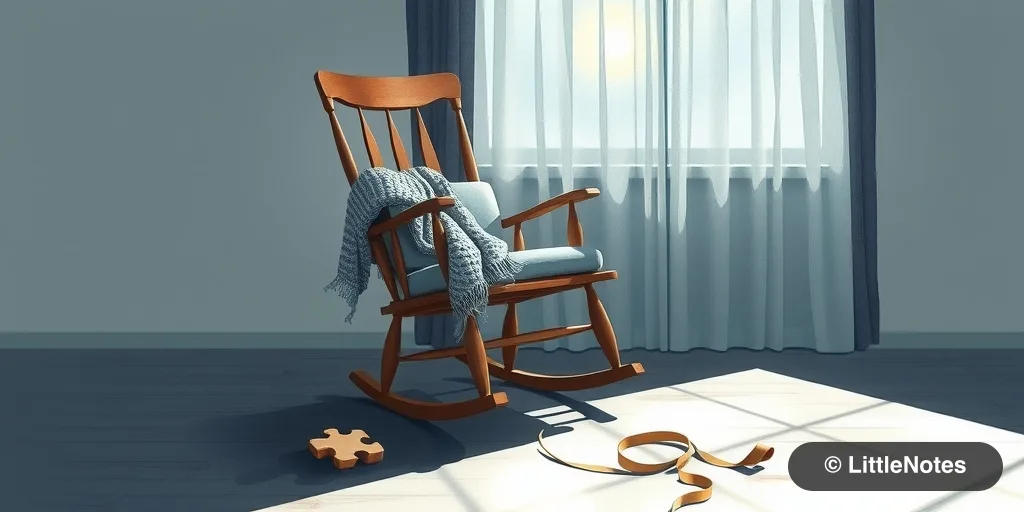
Stay calm and hold your boundaries. Do not match their volume or intensity. Breathe through it. The tantrum will peak and then subside — your job is to be the steady presence, not to fix it in the moment.
After the storm passes, hugs do help tremendously. The comfort comes after the emotion has been expressed, not during the peak.
The wine strategy

As one parent honestly put it: a glass of wine at the end of the day helps. Parenting through the tantrum phase is genuinely exhausting, and acknowledging that is not weakness — it is honesty.
Consistency is your anchor
The screaming phase is temporary, even though it does not feel like it. Toddlers who had been responding beautifully to the word gentle last week may completely ignore it this week. This is not regression — it is development. They are testing boundaries, and the most effective response is to keep those boundaries consistent while validating their feelings.

When to seek help
If tantrums are extremely frequent (multiple times daily), last longer than 20-30 minutes, or involve self-harm, it is worth discussing with your pediatrician. For most toddlers, though, this is a normal — if intense — developmental phase that passes by age 3.





Comments