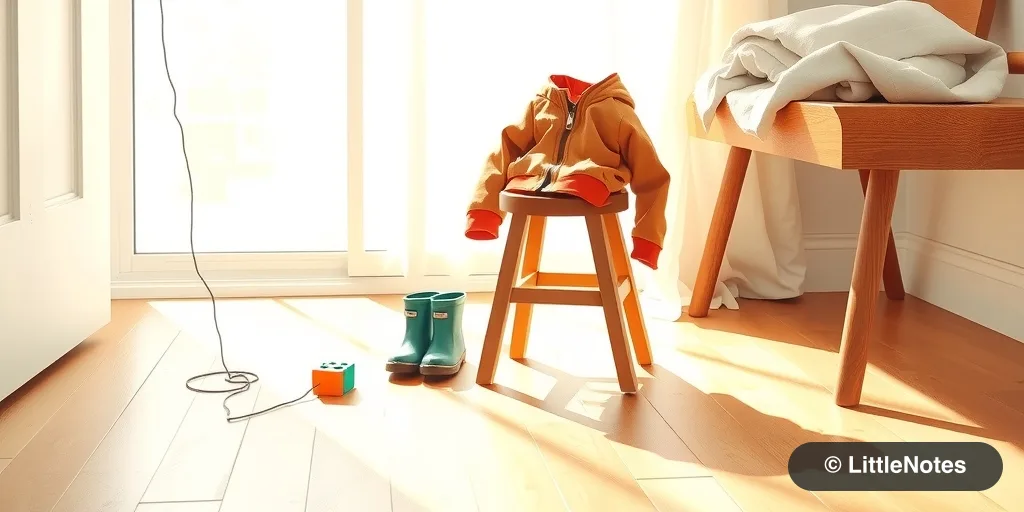
At around 2.5 years old, toddlers are in a fascinating developmental stage. They are discovering their own agency and the burning desire to "do it myself!" While this is a wonderful sign of growing independence, it often leads to a classic toddler dilemma: the desire to complete a task versus the physical inability to actually do it. When a button won't fasten or a lotion bottle won't press, the result is often a full-blown meltdown.
Why the Outbursts Happen
Your toddler isn't necessarily being "difficult." They are experiencing a surge of frustration because their ambition has outpaced their motor skills. When they are pushed to be independent at school or daycare, they naturally want to bring that same autonomy home. When that autonomy fails, they don't yet have the emotional vocabulary to say, "I'm frustrated because I can't do this," so they express it through screaming or throwing objects.
Strategies for Navigating the Storm
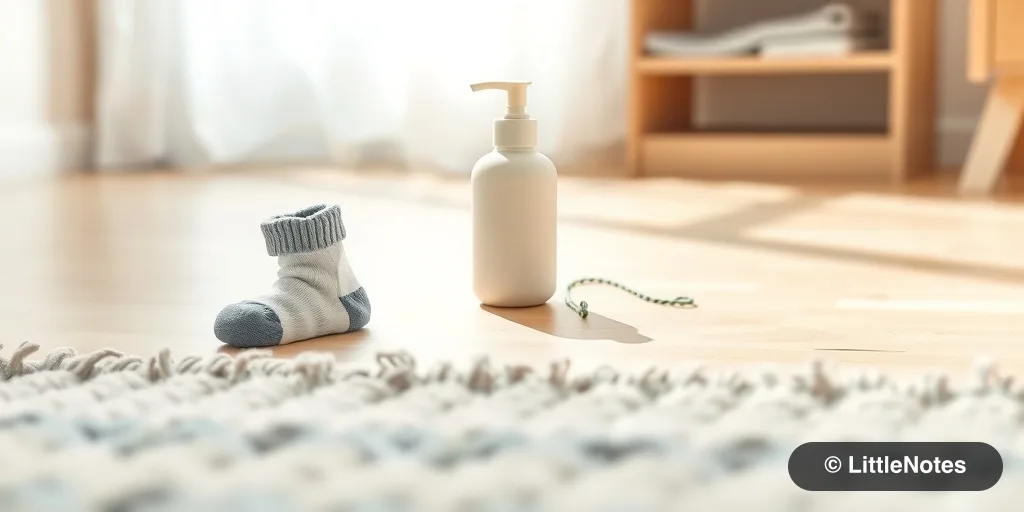
- The 'Supportive Sidekick' Approach: Instead of doing the task for them—which can trigger more frustration—try to offer "just enough" help. For example, if they want to put on their own socks, you can start the process by bunching the sock up and holding the opening, letting them slide their foot in. You are assisting their success without taking the control away.
- Acknowledge the Emotion, Not the Behavior: When the tantrum starts, validate their feelings: "I see you are trying really hard to press that button and it’s not working. That makes you feel frustrated." This helps them feel heard, even if you don't give in to the outburst.
- Simplify the Environment: If certain tasks (like the lotion bottle or specific clothing) are consistent triggers, look for ways to adapt them. Can you swap the lotion bottle for a different one that is easier to squeeze? Can you choose clothes with larger buttons or elastic waists for a few months? Reducing the number of daily friction points can significantly lower the overall stress level in your home.
- Give Them Choices: Sometimes, the tantrum is about a lack of control. By giving them small, safe choices—"Do you want the blue bottle or the white one?"—you can return a sense of agency to your child, which often reduces the need to fight over larger tasks.
Remember, this is a phase. As their fine motor skills catch up to their drive for independence, these moments will decrease. For now, take a deep breath and remind yourself that they are simply learning how to navigate a world that is much harder than it looks.


Comments