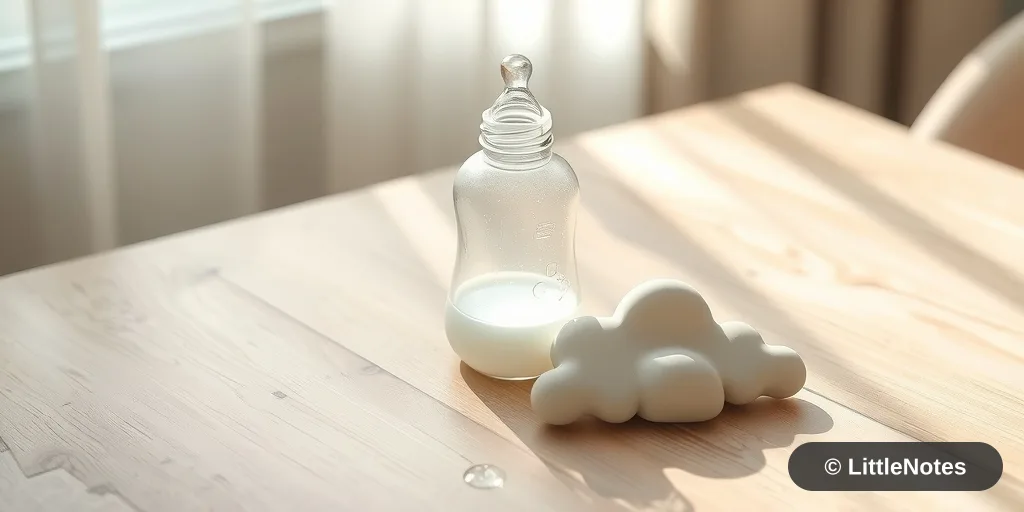
It is not uncommon for babies to hit a period of temporary milk aversion while teething. When those new teeth start breaking through the gums, your baby may experience significant discomfort, making the act of nursing or taking a bottle less appealing than usual.
Why the Refusal?
Teething can make suction uncomfortable for little ones. While some babies may seek extra comfort at the breast or bottle, others may refuse milk entirely because the rhythmic sucking motion irritates their inflamed gums. It is common to see them prefer cold, solid foods or textures they can chew on, as this provides a cooling sensation and counter-pressure to their aching gums.

Tips for Navigating the Phase
- Cooling Relief: If your pediatrician has approved the introduction of solids, offering slightly chilled fruit purees or room-temperature snacks can help soothe their mouth.
- Hydration is Key: If your baby is refusing milk but seems happy to drink water, continue to offer it frequently to maintain hydration. As long as diaper output remains consistent, this is often a temporary phase that will pass once the tooth finishes erupting.
- Alternative Delivery: If your baby is struggling with a bottle, you can try offering milk in a different vessel, such as a straw cup or an open cup, if they have reached the appropriate developmental age. This can sometimes bypass the discomfort of the sucking reflex associated with standard nipples.
- Follow Their Lead: In most cases, the aversion is temporary. Avoid pressuring your baby, as this can turn feeding into a stressful event for both of you. Instead, continue to offer milk on demand and trust that their appetite will return once the worst of the teething pain subsides.
When to Call the Pediatrician
While temporary changes in appetite are normal during teething, always consult your pediatrician if you notice signs of dehydration (fewer wet diapers, sunken soft spot, lethargy), persistent fever, or if the refusal to feed lasts for an extended period. Always rely on your healthcare provider's guidance for specific health concerns.


Comments