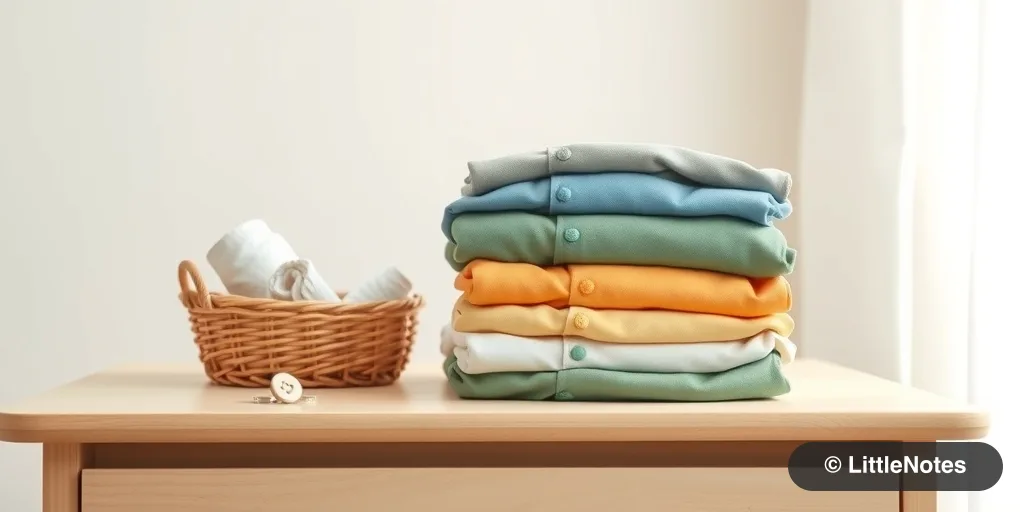
Transitioning to cloth diapers can be an eco-friendly and cost-effective choice, but it comes with a learning curve—especially when it comes to keeping your baby dry and handling clothing sizing.
Managing Leaks and Absorbency
One of the most common challenges is capacity. If your current setup isn't lasting through a nap or night, consider these strategies:
- Boosters: Using additional absorbent pads (boosters) is often necessary for longer stretches. Natural fibers like hemp or bamboo are highly effective for soaking up volume.
- Double Layering: For overnight, some parents double up on dry-feel pads. Note that this will make the diaper bulkier, which is perfectly normal.
- Frequent Changes: Even with modern cloth diapers, they rarely offer the same "stay-dry" duration as disposables. Aiming for changes every 2–3 hours during the day is a good rule of thumb to prevent leaks from ruining outfits.
Clothing Tips
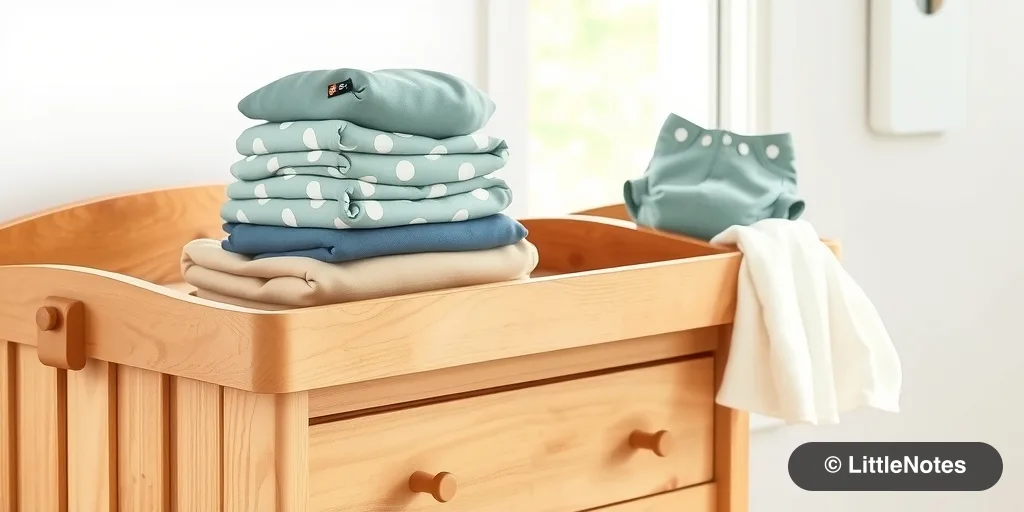
Cloth diapers are naturally bulkier than disposables. If you find your baby’s clothes are too tight, the simplest solution is to size up. Many parents find that traditional pants and shirts are easier to manage than onesies or bodysuits, which can be difficult to unfasten and clean if a leak occurs.
Potty Awareness
Many parents find that using cloth diapers helps them become more "in tune" with their baby’s signals for elimination. Because cloth doesn't pull moisture away as instantly or as thoroughly as high-absorbency disposables, babies may become more aware of their output, which can be a helpful precursor to potty training later on.
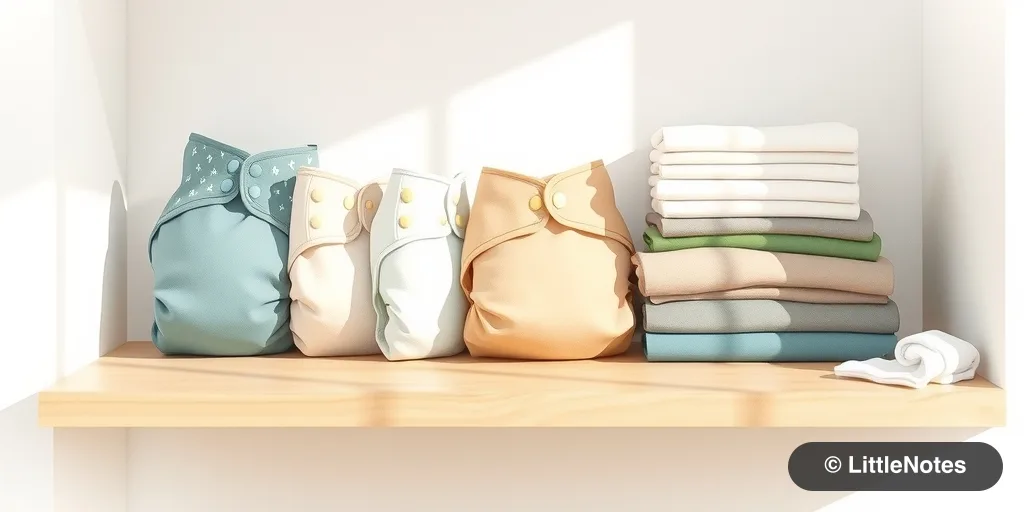
Pro-tip: If you're struggling to find a brand that works, reach out to local stores and ask to see photos or samples, as online sizing and performance can vary significantly.



Comments