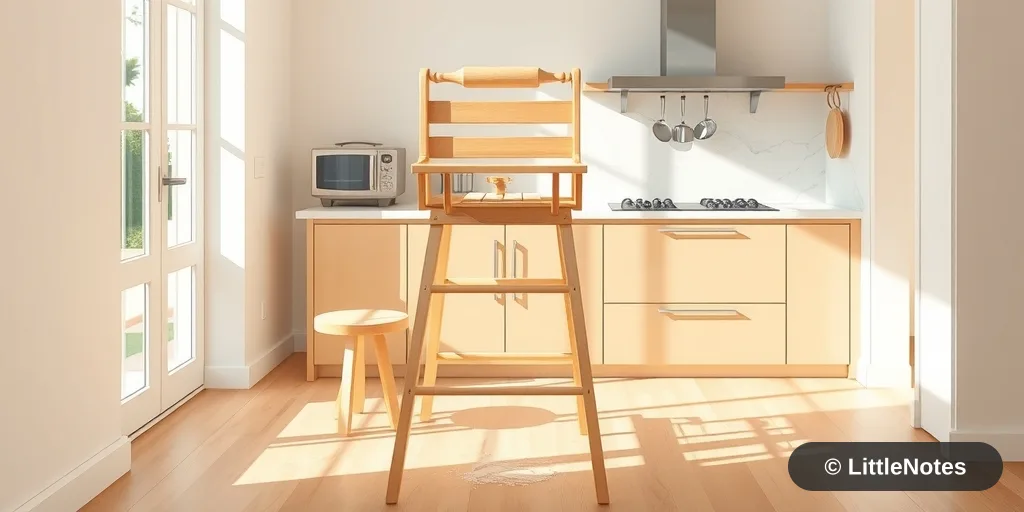
Learning towers — those elevated platforms that let toddlers safely reach kitchen counter height — have become a must-have for many parents. But with options ranging from simple step stools to elaborate multi-function stations, how do you choose?
The Options
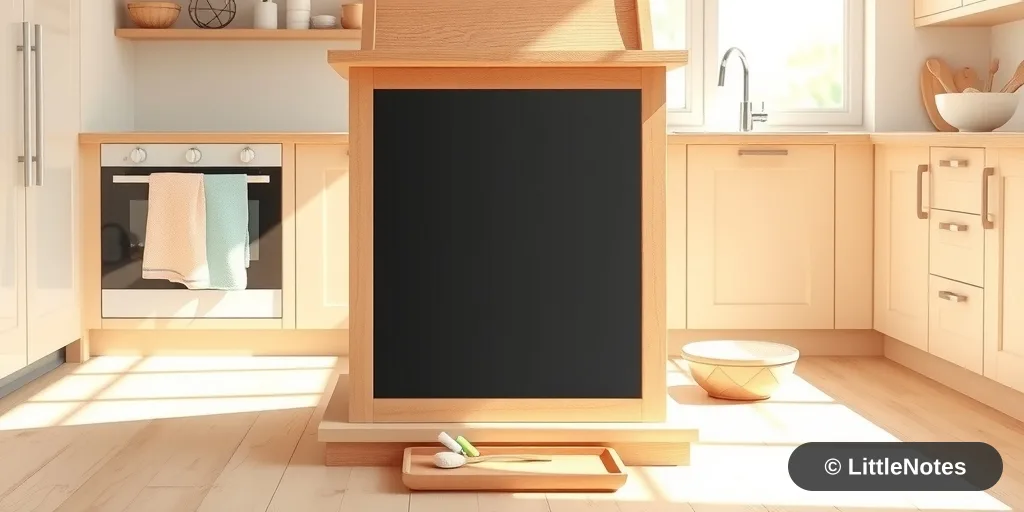
Woodbees offers a heavy, stable wooden tower with a blackboard attachment. The weight is actually an advantage — toddlers cannot pull it around easily, and it stays put when they climb in by themselves. Many children spend significant time scribbling on the blackboard between kitchen activities.
Miniture makes a lighter step ladder that is easier to move between rooms. It does not convert into a sensory table but is practical and affordable.
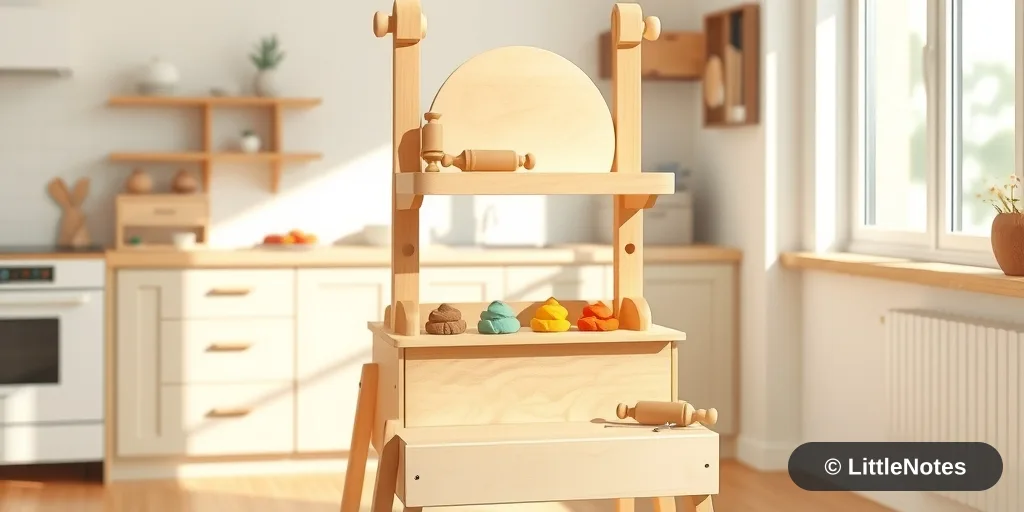
Ariro offers a workstation that works well for playdough and art activities, doubling as both a learning tower and activity table.
The Sensory Table FOMO
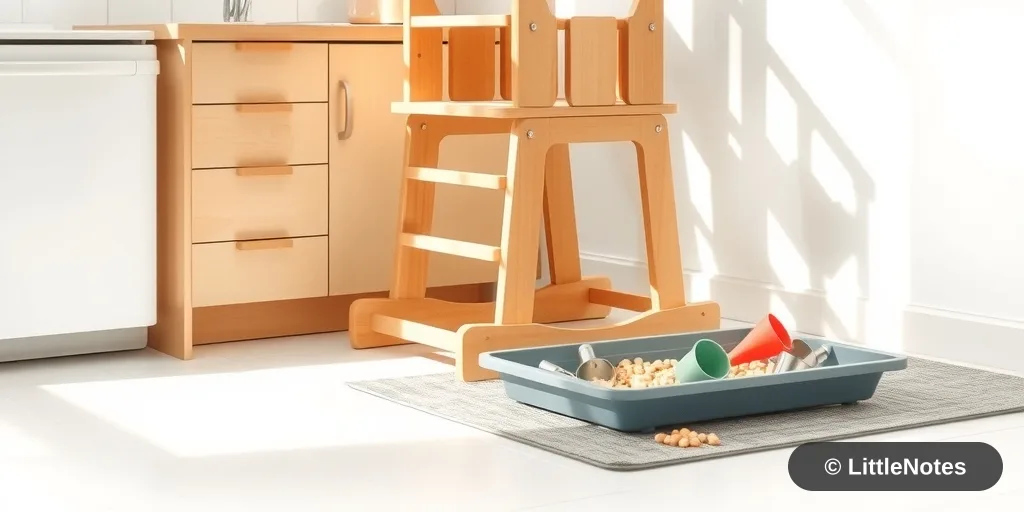
Many parents experience FOMO looking at elaborate sensory play stations on Instagram. The reality check from those who own them: the sensory bin attachment often goes unused. A washable mat or waterproof sheet on the floor works just as well for messy play and is much easier to clean.
Do You Need One?
If your toddler shows interest in what you are doing in the kitchen, a learning tower is a worthwhile investment. It promotes independence, keeps them safely elevated, and turns cooking time into together time. But a simple step stool achieves 80 percent of the same result at a fraction of the cost.


Comments