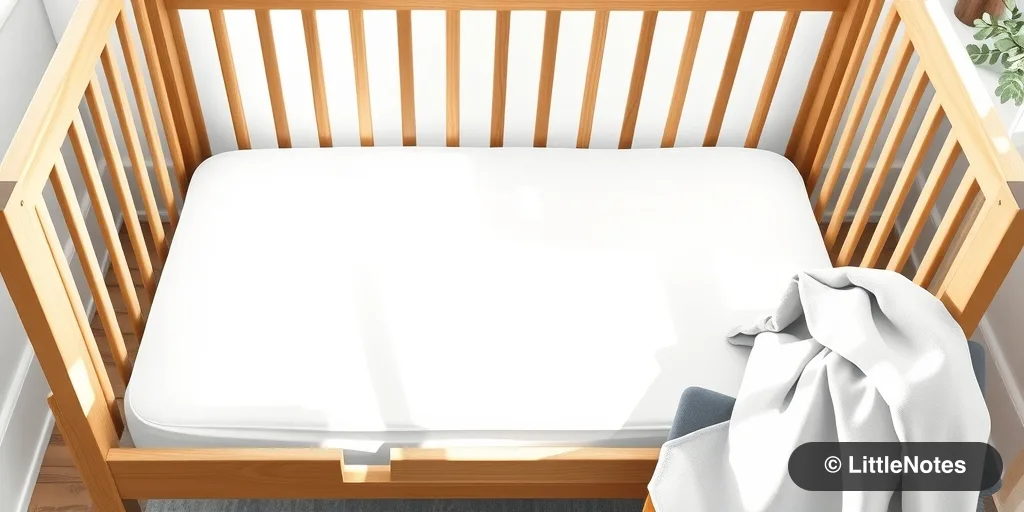
One of the most common questions for new parents is, "When should my baby start using a pillow?" It is easy to assume that because we find pillows comfortable, our babies do too. However, pediatric health experts advise against the use of pillows—and blankets—for infants.
Safety First
For infants, the safest sleeping environment is a firm, flat surface completely free of pillows, blankets, toys, and crib bumpers. These items pose a significant risk of suffocation or airway obstruction. Because an infant’s head is proportionally larger than their body, their necks and spines are naturally aligned when they lie flat on their backs; they do not require the elevation a pillow provides to be comfortable.
What About Flat Head Syndrome?
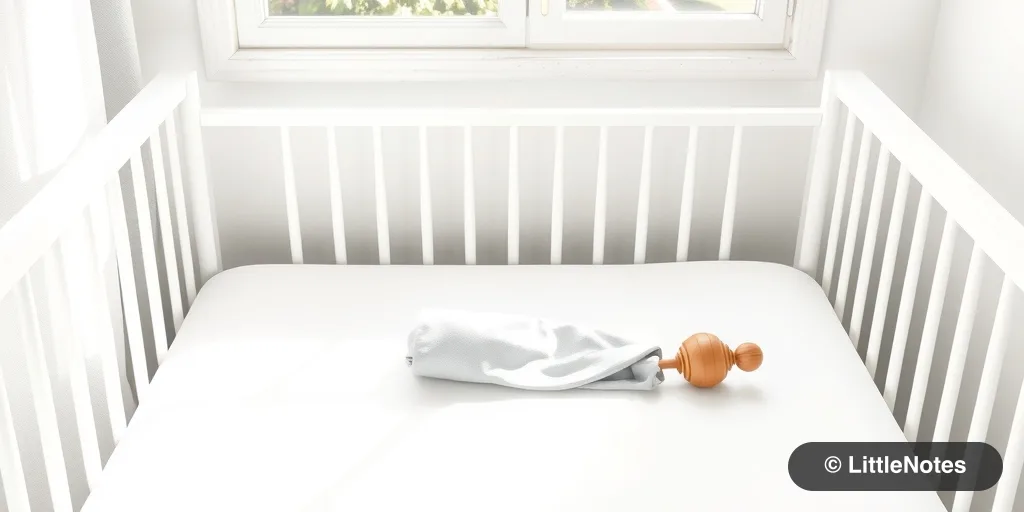
Many parents are tempted to use specialized pillows (like mustard seed pillows) to prevent flat spots on their baby’s head. While these are traditional, it is important to consult your pediatrician for guidance on head shape concerns. Often, simple strategies like alternating the side you place your baby's head toward during supervised "tummy time" or switching up the orientation in their crib are safer ways to address these concerns without introducing loose bedding into the sleep environment.
When is a Pillow Appropriate?
Most children do not actively need or seek out a pillow until they are well into toddlerhood. Often, even if you introduce a small toddler pillow after 18–24 months, you might notice your child pushing it to the corner of the crib. Follow your child’s lead—if they aren't asking for one, they are likely sleeping perfectly well without it. When you do eventually transition to a pillow, choose a firm, flat one specifically designed for toddlers.




Comments