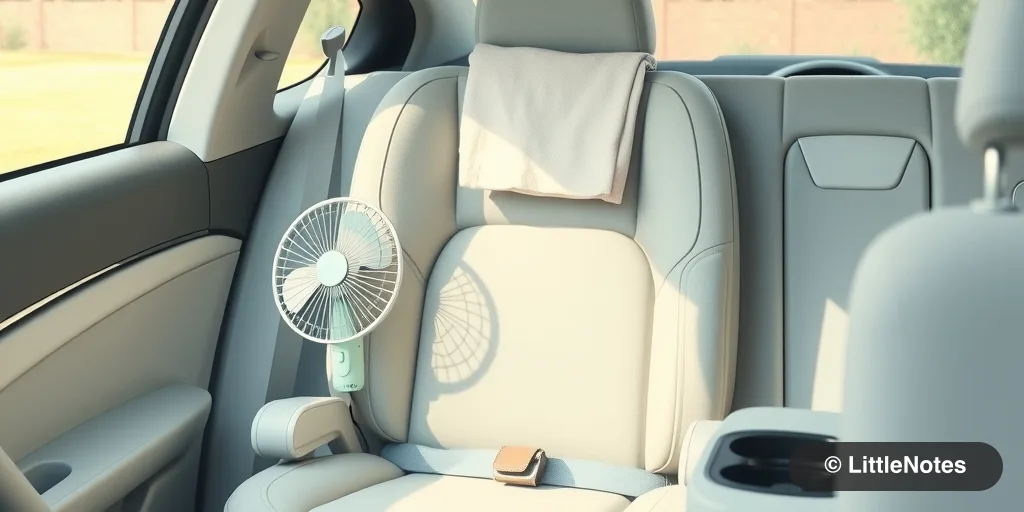
Watching a little one struggle with motion sickness can be stressful, especially when you are trying to travel or run errands. While it is common for toddlers to experience travel-related nausea, there are several strategies that may help alleviate their discomfort.
Practical Tips for the Road:
- Mind the Meals: Avoid feeding your child a heavy meal right before a trip. A light snack, such as a banana or puffed rice, given an hour or two before travel is often easier on the stomach.
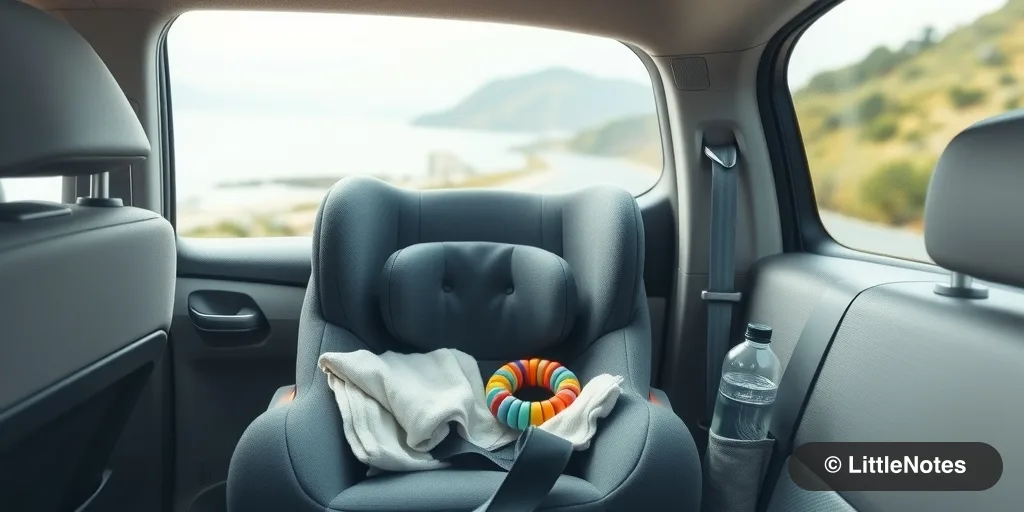
- Optimize the Seating: Experiment with car seat configurations. Some children find that sitting in their car seat is more stable and helps them feel secure, while others may prefer a different position. Ensure they are facing forward if their age and weight allow, and keep car windows open for fresh air.
- Align with Sleep Schedules: If possible, plan your travel during nap times. A sleeping child is significantly less likely to experience the disorienting motion that triggers nausea.
- Distraction and Comfort: Have supplies ready, such as clean-up bags and seat protectors, to reduce your own anxiety during an incident.
When to Talk to Your Pediatrician: If car sickness is frequent or severe, consult your pediatrician. They may suggest specific strategies or, if necessary, recommend safe, age-appropriate medications to help your child cope with travel. Always discuss any medication—even over-the-counter or herbal remedies—with your doctor before administering them, as dosages for toddlers are precise.
Most parents find that this phase eventually resolves on its own as the child’s inner ear and vestibular system mature (typically by age 3). Until then, keep trips short when possible and remain patient—this, too, shall pass!





Comments