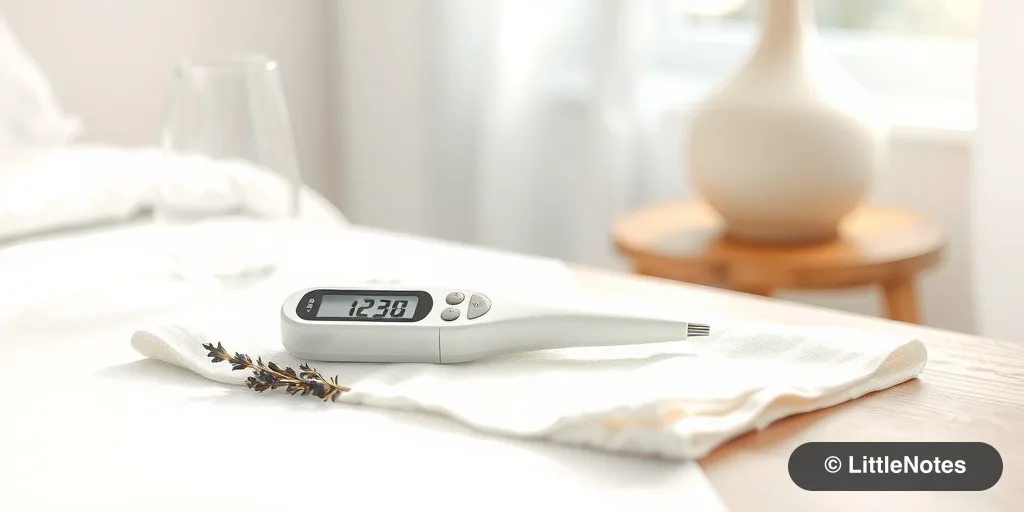
When your little one feels warm, it is natural to feel a surge of concern. However, accurate temperature monitoring is the first step in knowing how to respond.
Accuracy Matters
Forehead thermometers, while convenient, are notoriously prone to inaccuracy due to environmental factors, room temperature, or the way they are held. If you are concerned that your baby has a fever, an armpit or rectal temperature is generally considered much more reliable.
What is a Fever?
Generally, a temperature of 100.4°F (38°C) or higher is considered a fever in infants. If your baby is under 6 months old and has a temperature of 100.4°F or higher, always call your pediatrician for an evaluation.

Comfort Measures
- Keep it Simple: If the fever is mild, keep the baby in light clothing to help them regulate their body temperature.
- Hydration is Key: If your baby is exclusively breastfeeding, continue to offer the breast as frequently as possible. If they are distracted or fussy, try offering feeds in a quiet, dark room or while they are drifting off to sleep (dream feeds).
- Monitor Output: Continue to track their wet diapers. This is the most reliable metric of whether your baby is receiving enough hydration, especially when they are unwell.
Most importantly, trust your instincts. If your baby seems lethargic, is refusing all feeds, or if your pediatrician has advised caution, don't hesitate to reach out for a follow-up assessment.
Disclaimer: This information is for educational purposes. Always consult your pediatrician for medical advice regarding your baby's health.



Comments